
Last updated November 16, 2026
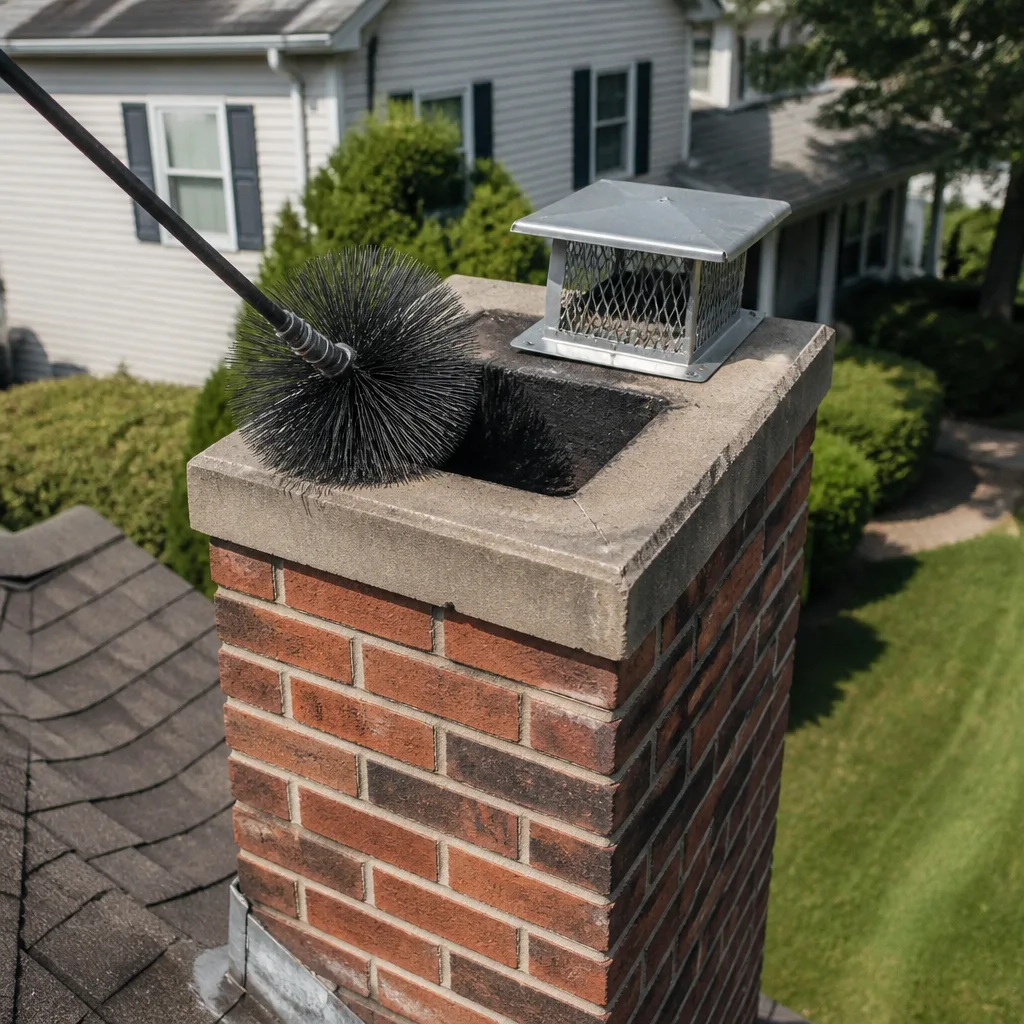 Sweep & inspection
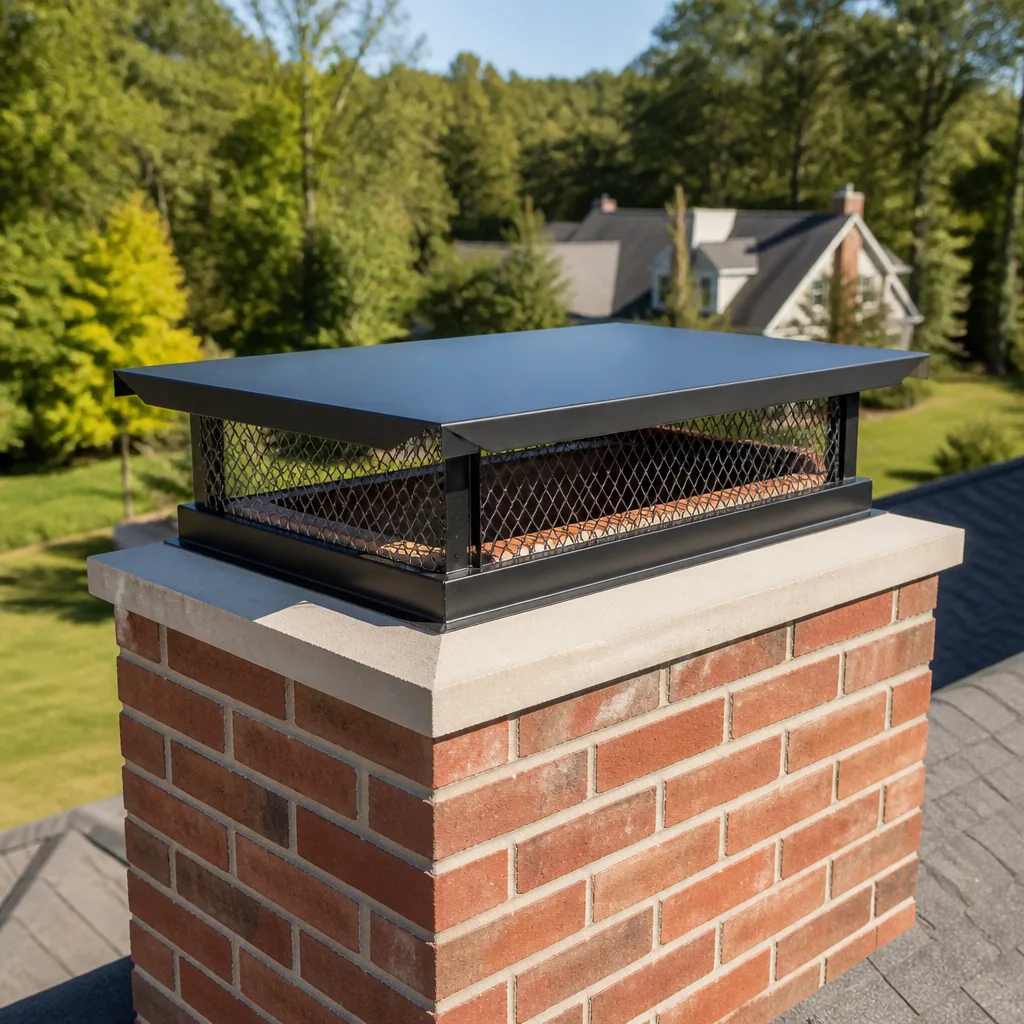 Caps & crowns
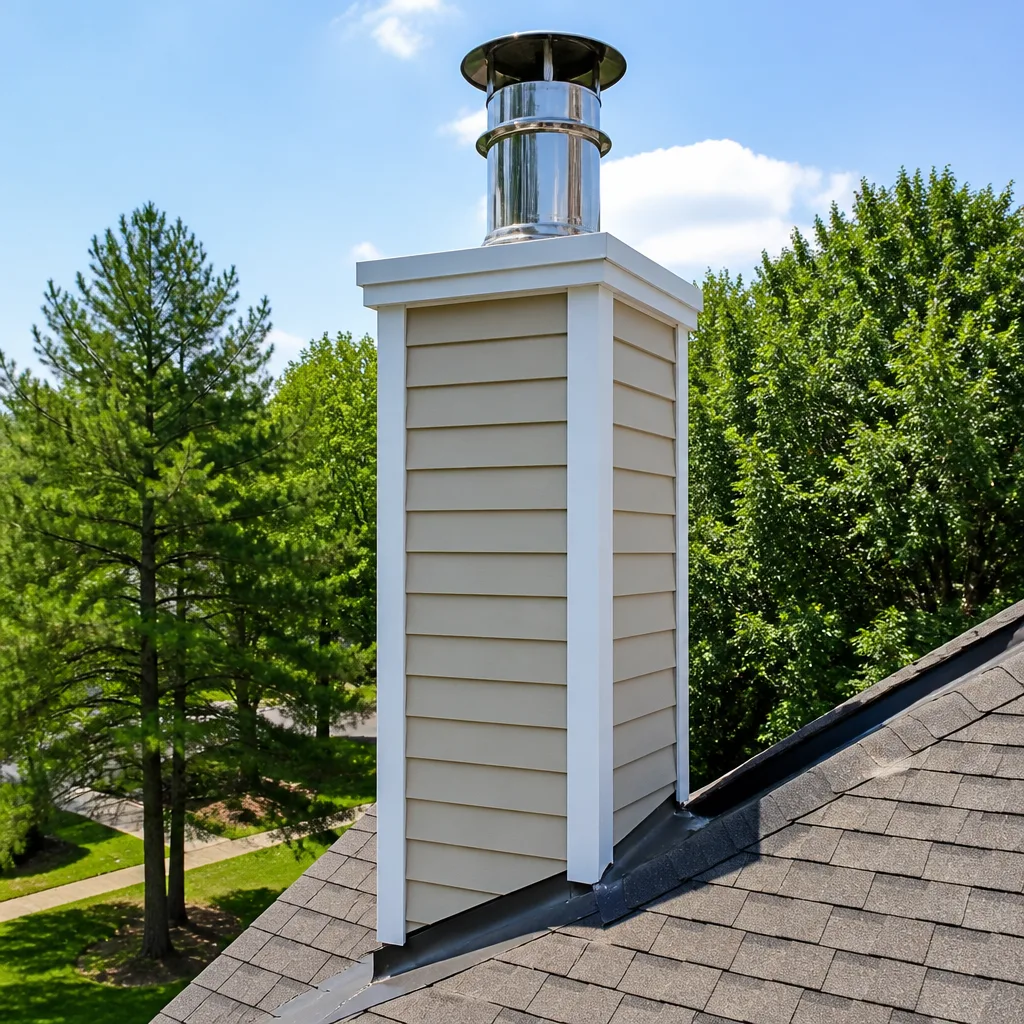 Flue relining
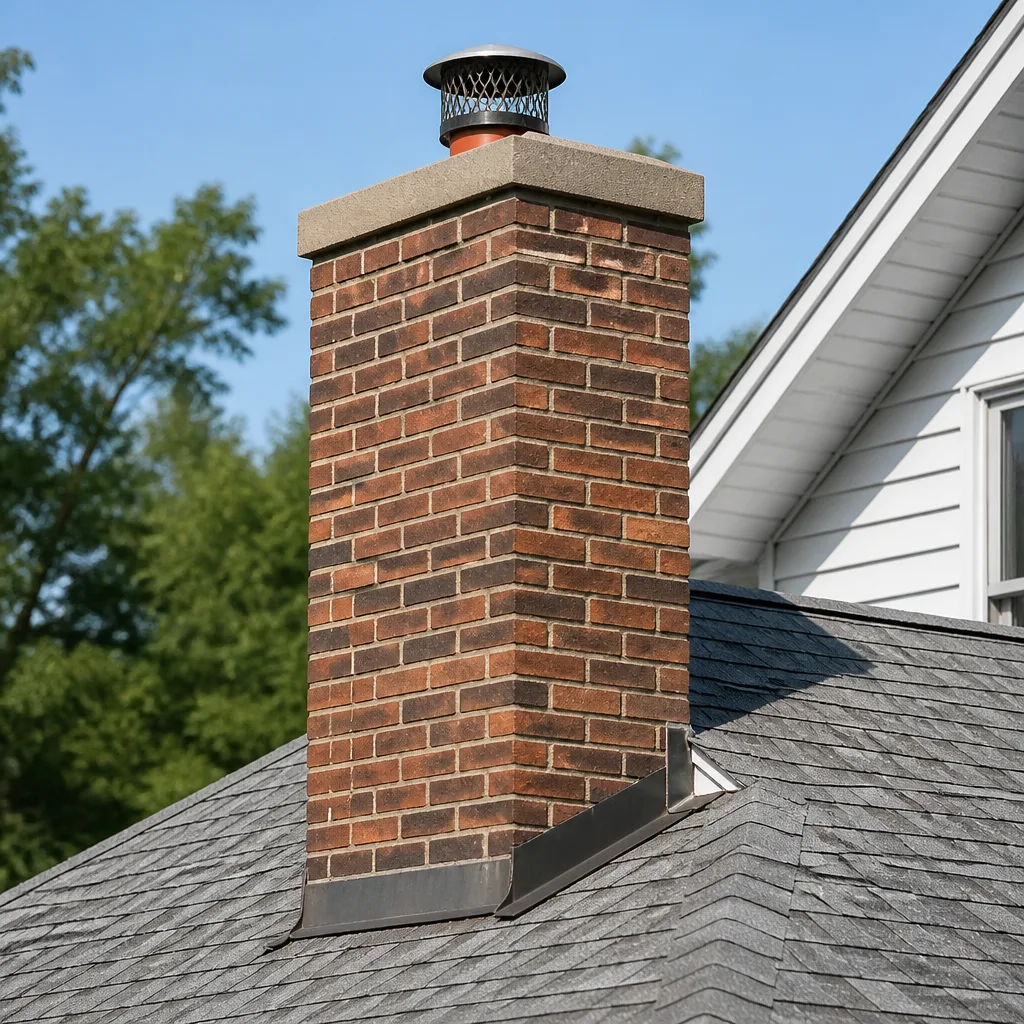 Masonry repair
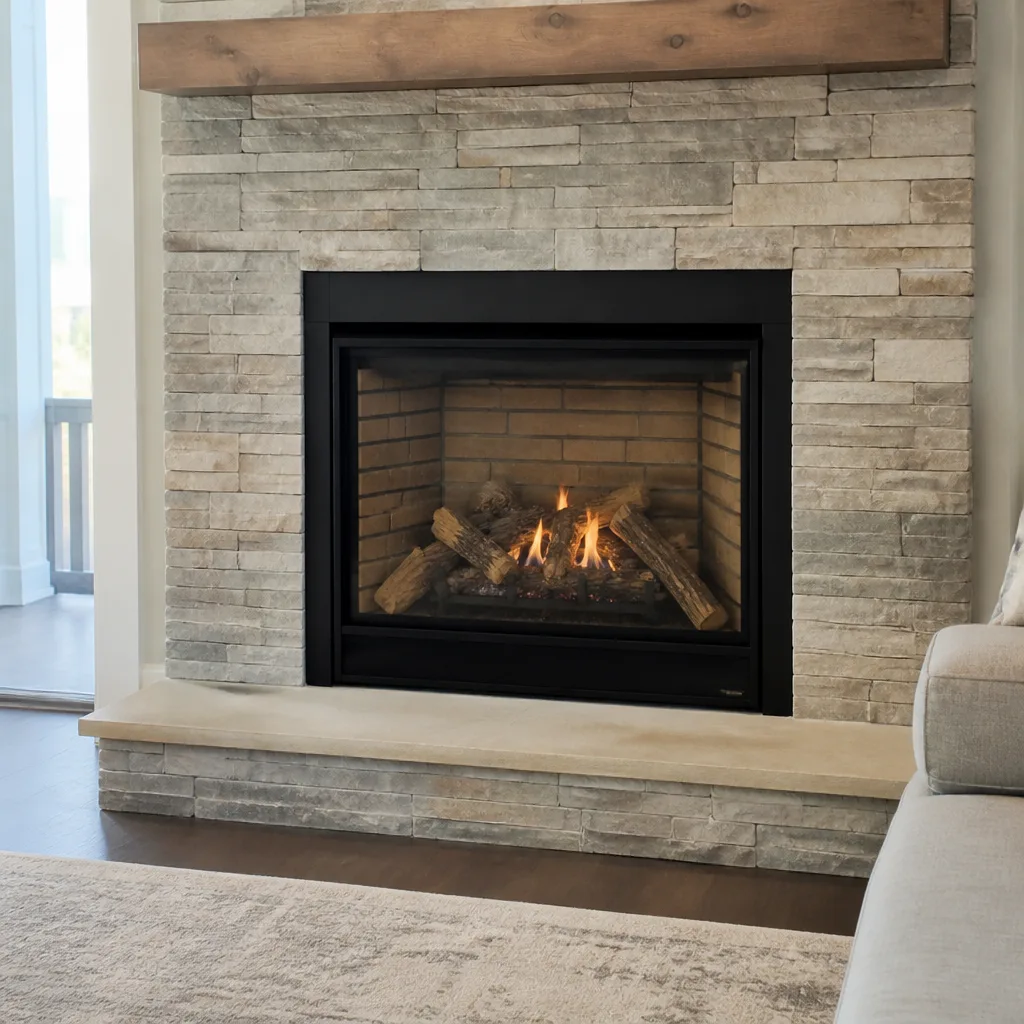 Gas fireplace service
Level 1 sweep and inspection to the NFPA 211 annual standard - flue, crown, cap, and flashing checked and photographed
Chimney sweep logs do not sweep chimneys. They loosen some creosote - which then falls where a brush and vacuum still have to collect it.
Chimney Sweep Maintenance Checklist for Oklahoma City Homeowners
A chimney cleaned in October can develop a cracked flue tile, a blocked cap, or a moisture problem by February without a single fire being lit. That surprises homeowners. The usual advice says sweep once a year and forget it, but deterioration doesn’t follow a calendar. It follows conditions: ice, wind, freeze-thaw cycles, nesting season, and the way a house is actually used. So the useful checklist for an Oklahoma City home isn’t a list of dates. It’s a list of things you can see, hear, and smell, tied to the triggers that matter here. This guide gives you that checklist, explains what each sign means, and shows you how to log it so a technician can connect the dots later.
Quick Answer
A workable chimney maintenance checklist for Oklahoma City homeowners combines one professional sweep and inspection per burning season with monthly condition checks you can do from inside the house and from grade level. Watch four things: how smoke behaves, what the chimney smells like, how the damper feels, and what the exterior masonry looks like after storms. Log what you find with dates. Schedule professional service when an observation changes, not just when the calendar says so.
Styles & brands we work with
- Sweep & inspection
- Caps & crowns
- Flue relining
- Masonry repair
- Gas fireplace service
Table of Contents
- Why a Condition-Based Checklist Beats a Calendar
- Homeowner Checkpoints You Can Do Without a Ladder
- Seasonal Triggers Specific to Oklahoma City
- The 1/8-Inch Creosote Threshold, Explained
- Exterior Masonry Signs You Can Spot From Grade
- How to Log Observations So They’re Useful
- What a Professional Visit Should Include
- Common Mistakes to Avoid
Why a Condition-Based Checklist Beats a Calendar
Most chimney advice is written as if a house sits still for twelve months. It doesn’t. In Oklahoma City, a single winter can bring ice storms, hard freezes, warm spells, and spring wind that drives debris against a roof. Each of those events can change the condition of a chimney cap, a mortar joint, or a flue tile. A sweep in October tells you the chimney was sound in October. It doesn’t tell you what the chimney looks like in February.
That’s the gap this checklist fills. Instead of asking “when was it last swept?”, you start asking “what has changed since then?” It’s a shift in how you pay attention, and it costs almost nothing.
Here’s why the condition approach works better in this climate:
- Freeze-thaw cycles stress mortar. Water gets into small cracks, freezes, expands, and widens them. Oklahoma City swings above and below freezing repeatedly in a normal winter, which is harder on masonry than a long steady cold.
- Ice storms load the roof and the cap. Falling ice and wind-driven debris can bend a cap or knock a screen loose. You won’t see that from the fireplace.
- Spring wind moves things around. Debris piles up on the roof and against the chimney. Nesting birds and squirrels find open flues fast.
- Long dry spells and sudden wet spells change moisture behavior. A chimney that looks fine in a dry month can show efflorescence after a wet one.
The calendar still matters. You should still book a professional sweep and inspection once per burning season. But the calendar is the floor, not the ceiling. The observations you make between visits are what catch developing problems early, when they’re small. A condition-based checklist turns you into a second set of eyes, and it gives the technician something to work with when they arrive.
Homeowner Checkpoints You Can Do Without a Ladder
Most of what you need to watch can be seen from the floor of your own living room, without ever going on the roof. These are the daily-use signals that tell you a chimney is working properly or starting to struggle.
Smoke Behavior
Watch the smoke on a cold start. A well-drafted chimney pulls smoke up and out within a minute or two. If smoke rolls back into the room, spills over the firebox edge, or lingers in the firebox instead of rising, that’s a draft signal. It can mean a cold flue, a partial blockage, or a pressure problem in the house. It’s worth noting the conditions next to it: outside temperature, wind direction, whether a bathroom fan or kitchen hood was running.
Odor Types
Different smells point to different problems, and homeowners often lump them together as “chimney smell.”
- Campfire or smoky smell on warm days. This usually points to creosote in the flue releasing odor when the pressure changes.
- Damp, musty, or earthy smell. That suggests moisture getting into the chimney or firebox, often through a failing cap or crown.
- Sharp, acrid, or chemical smell. This can come from a blocked flue or from a flue that’s pulling exhaust back into the house. Stop using the fireplace and get it checked.
- Dead-animal smell. Nesting or trapped animals in the flue. Common after spring.
Draft Pull and Damper Resistance
Open the damper and feel the pull with your hand near the opening. A strong, steady draw is what you want. Weak or inconsistent pull, or a damper that sticks, grinds, or doesn’t open fully, are early warnings. Make a note of it.
The Checkpoint Summary
If you want a quick routine, this is the version to keep on the fridge:
- On a cold start, confirm smoke rises and clears the firebox.
- Smell the firebox after a few warm days. Note the odor type.
- Test the damper by hand. It should move smoothly and open fully.
- Walk outside and look at the chimney from grade level.
- Write the date and what you noticed in a log.
That’s a five-minute routine. Done monthly, and again after any storm, it catches most of what quietly goes wrong between professional visits in Oklahoma City.
Seasonal Triggers Specific to Oklahoma City
Oklahoma City doesn’t get one long winter. It gets a series of weather patterns, and each one has a specific chimney consequence. Tie your checks to these triggers rather than to a date on the calendar.
After an Ice Storm: Cap and Screen Check
Ice and falling limbs are hard on a chimney cap. From grade level, look at the top of the chimney and confirm the cap is still sitting level, the screen is intact, and there’s no visible gap where it meets the flue. A knocked-off cap lets water and animals in, and once a cap is loose it’s easy to miss until the problem has grown.
After Spring Storms: Mortar and Crown Check
Spring wind and hail hit the crown (the top of the chimney) and the mortar joints on the exterior harder than most homeowners realize. After a significant spring storm, walk the yard and look up. Note any new crumbly mortar, any pieces of masonry on the roof or ground, and any change in the crown’s surface. Book an inspection if anything looks different.
Before Heating Season: Flue Readiness
Before the first fire, do three things: confirm the sweep and inspection for the season is scheduled, make sure the firebox is clear of debris and stored items, and re-test the damper. This is also the right time to schedule a professional sweep if it hasn’t been booked. According to standard practice, a wood-burning chimney should be swept when there’s about 1/8 inch of creosote in the flue, and once a year at minimum. We schedule sweeps across Oklahoma City shoulder to shoulder through this window, and booking early keeps the visit from crowding the first cold snap.
During Long Dry Spells
Heat and dry air don’t damage a chimney directly, but they change how creosote behaves. Cracking and flaking creosote becomes more likely to loosen and fall, which can partially block a flue. If smoke starts behaving differently during a hot, dry stretch, don’t assume it will pass.
The 1/8-Inch Creosote Threshold, Explained
Creosote is the residue a wood fire leaves in the flue. It builds in three forms: a light soot or dust, a flaky or crusty layer, and a hard, glazed, tar-like coating. The glazed form is the one that concerns any technician, because it’s difficult to remove and it’s the form that most easily supports a chimney fire.
The commonly cited threshold is 1/8 inch. That’s about the thickness of a nickel. The reason it matters is that once a layer gets that thick, it takes a professional sweep to remove it safely. Below that, it’s a maintenance issue. Above it, it’s a fire-risk issue.
How to Gauge It Without Professional Tools
You can’t inspect a flue safely from below, and we never recommend going on the roof. But you can judge roughly from the firebox and damper area. Using a flashlight, look up at the lower flue surface and the smoke chamber. You’re not measuring with a ruler. You’re looking at the texture:
- Soot and light dust. Normal between sweeps. Fine.
- Flaky, crumbly, or crusty layer. Building up. Time to schedule a sweep.
- Shiny, hard, tar-like coating. Glazed creosote. Stop using the fireplace and get it professionally removed.
Keep in mind this is a rough visual gauge, not a measurement. The flue above the smoke chamber is where creosote really accumulates, and that’s what a chimney sweep addresses. The useful thing about the visual check is that it tells you when to move up the timeline, even if you can’t read a precise thickness.
Two habits reduce creosote buildup between sweeps. Burn seasoned wood, not green wood, and don’t burn low, smoldering fires with the damper mostly closed. Small hot fires burn cleaner than slow smoky ones.
Exterior Masonry Signs You Can Spot From Grade
You don’t need to be on the roof to notice exterior masonry problems. The most important signs can be spotted from your own yard, and they’re worth checking every month or two.
Spalling
Spalling is masonry that’s flaking or breaking off in pieces. On a chimney, it often starts on the crown or in the brick near the top. From grade, look for chipped faces, small pieces on the roof or ground, and any brick that looks noticeably rough compared to its neighbors. Spalling is a moisture problem: water gets in, freezes, and pushes material away from the chimney.
Efflorescence
Efflorescence is the white, chalky or powdery staining that appears on masonry. It’s the visible sign of water moving through the masonry and evaporating on the surface. It’s not always serious on its own, but it’s a signal that water is getting in somewhere. Note where it appears and whether it’s new.
Mortar Joint Recession
Mortar joints are the lines between bricks. Over time and through freeze-thaw cycles, mortar can recede, leaving the bricks standing proud. From grade, look for joints that look deep, crumbling, or missing. Recession is normal with age, but it shouldn’t be progressing quickly. New recession after a hard winter is worth an inspection.
A Word on Climate
Oklahoma City’s freeze-thaw pattern is the driver here. Water expands as it freezes, and the repeated freeze and thaw cycle through winter and early spring puts masonry under more stress than a steady cold climate does. This is why exterior checks matter more than they might in a milder place. If you spot any of these signs, have them documented. A chimney repair visit can assess whether the masonry needs rebuilding, repointing, or a resurfacing treatment like HeatShield, which restores a damaged flue from the inside rather than rebuilding it.
How to Log Observations So They’re Useful
A checklist is only as good as the record it leaves. If you notice something odd in January and mention it to a technician in October, they’ll have nothing to work with. A simple dated log changes that.
What to Record
- Date and outside conditions. Temperature, wind, and whether it had rained or iced recently.
- What you observed. Smoke behavior, odor type, damper resistance, or an exterior sign.
- Where you observed it. Which part of the chimney, and from what vantage point (living room, yard, roofline).
- What was happening in the house. Fireplace in use or not, fans running, weather outside.
- Whether it was new or a change. “Same as last time” is useful information too.
You don’t need a formal logbook. A note in your phone works. The point is that dated observations let a technician correlate symptoms across visits. When a homeowner tells us “the damper started sticking in February and the fireplace smelled damp in March,” that’s a far more useful pattern than “the chimney’s been acting up.”
This is part of why we hand over a written account of what we found at every visit. A clean flue and a written account of the findings lets you compare notes year over year and see what’s actually changing.
What a Professional Visit Should Include
Part of a good maintenance checklist is knowing what to expect from professional service. A sweep is more than running a brush up the flue. A full visit should cover the whole system: the firebox, the damper, the smoke chamber, the flue, the cap, the crown, and the exterior masonry where visible.
Here’s what a proper visit looks like, step by step:
- Sweep the flue. Removes soot and creosote, including any glazed sections that can be addressed with standard methods.
- Inspect the full system. Includes the flue, the firebox, the damper, the cap, and the accessible exterior components.
- Document findings. Photos or a written report. You should be able to see what the technician saw.
- Explain, not just advise. A good technician walks you through what they found, what it means, and what can wait.
At Linden Chimney Cleaning, we bring the materials that a full chimney repair might need. We work with DuraFlex liner systems for full flue relining when a flue is damaged or undersized, and we resurface flues with HeatShield when the structure is salvageable without a rebuild. Caps and components come through professional supply lines from brands like Gelco, Olympia Chimney, Famco, and Copperfield. We inspect it, clean it, and fix it, all under one company.
Our technicians have up to 8 years of experience, and the work is chimney-only. Every tool and every part is purpose-built for chimneys, not a sideline on a general remodeling truck.
Common Mistakes to Avoid
- Treating the annual sweep as the whole checklist. A sweep tells you the chimney’s condition on one day of the year. It doesn’t tell you what’s happened since. The condition checks between visits are the part most homeowners skip.
- Never looking up at the chimney after a storm. Ice storms and spring wind are when the cap, the crown, and the mortar take their hits. A two-minute walk around the yard after a storm catches most of these early.
- Burning green or unseasoned wood. Green wood leaves far more creosote than seasoned wood. It’s the most common reason a flue hits the 1/8-inch threshold early.
- Smothering a fire to make it last. Running the damper down to stretch a fire creates the cool, smoky burn that builds creosote fastest. Small hot fires burn cleaner.
- Ignoring a damp or musty smell. A damp smell in Oklahoma City often points to a cap or crown issue letting water in. It won’t fix itself, and it gets worse through freeze-thaw cycles.
- Never logging anything. A symptom noticed in January and half-remembered in October gives a technician nothing to work with. A dated note in your phone is enough.
- Letting an exterior sign sit. Efflorescence or spalling that appears new after a hard winter is a signal to get the chimney looked at. Waiting a full season lets it progress.
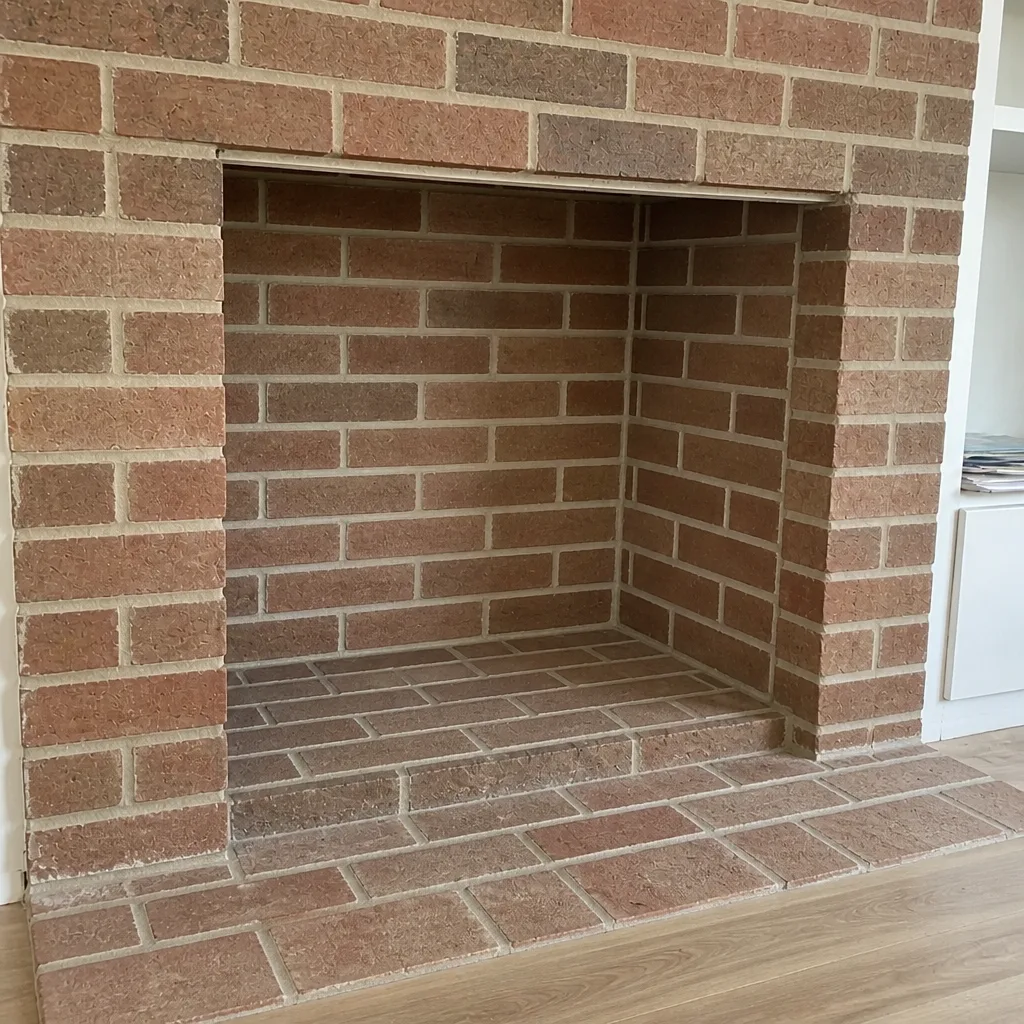
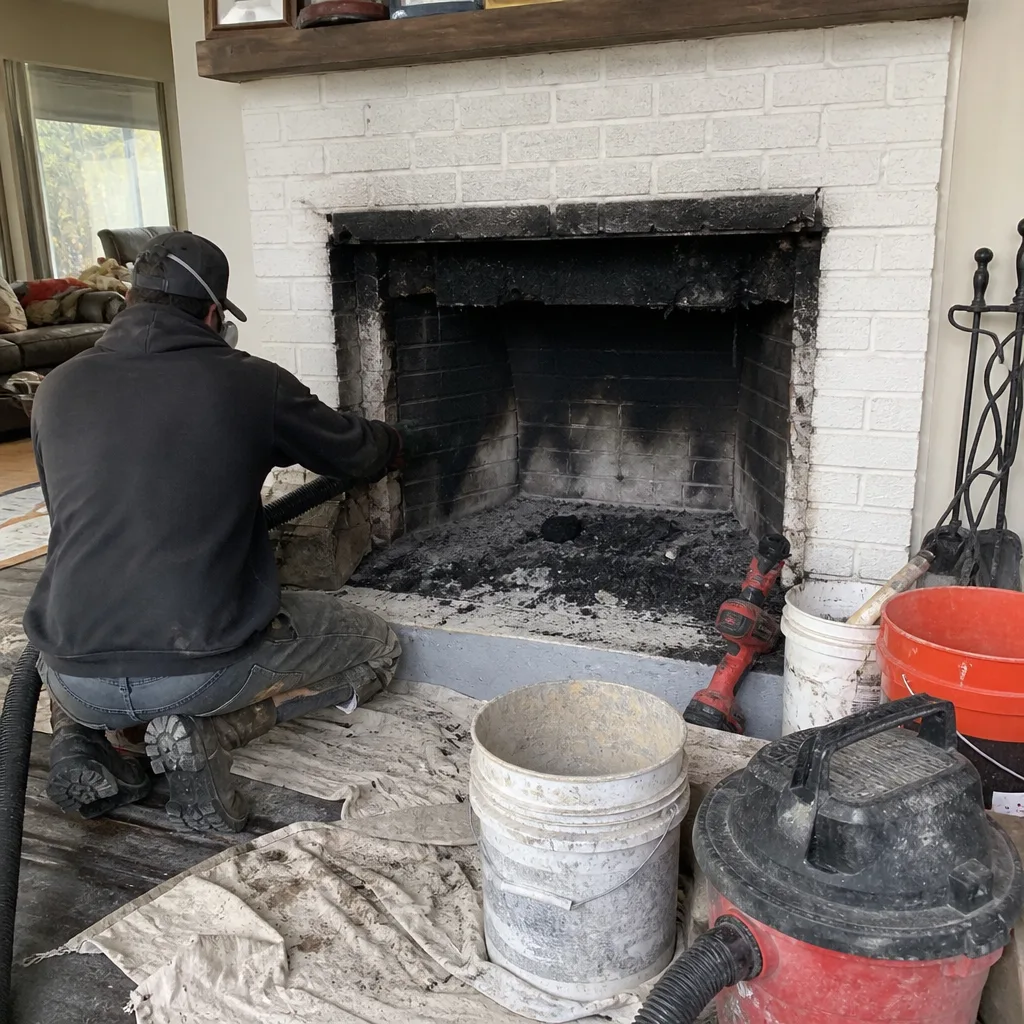
See the difference
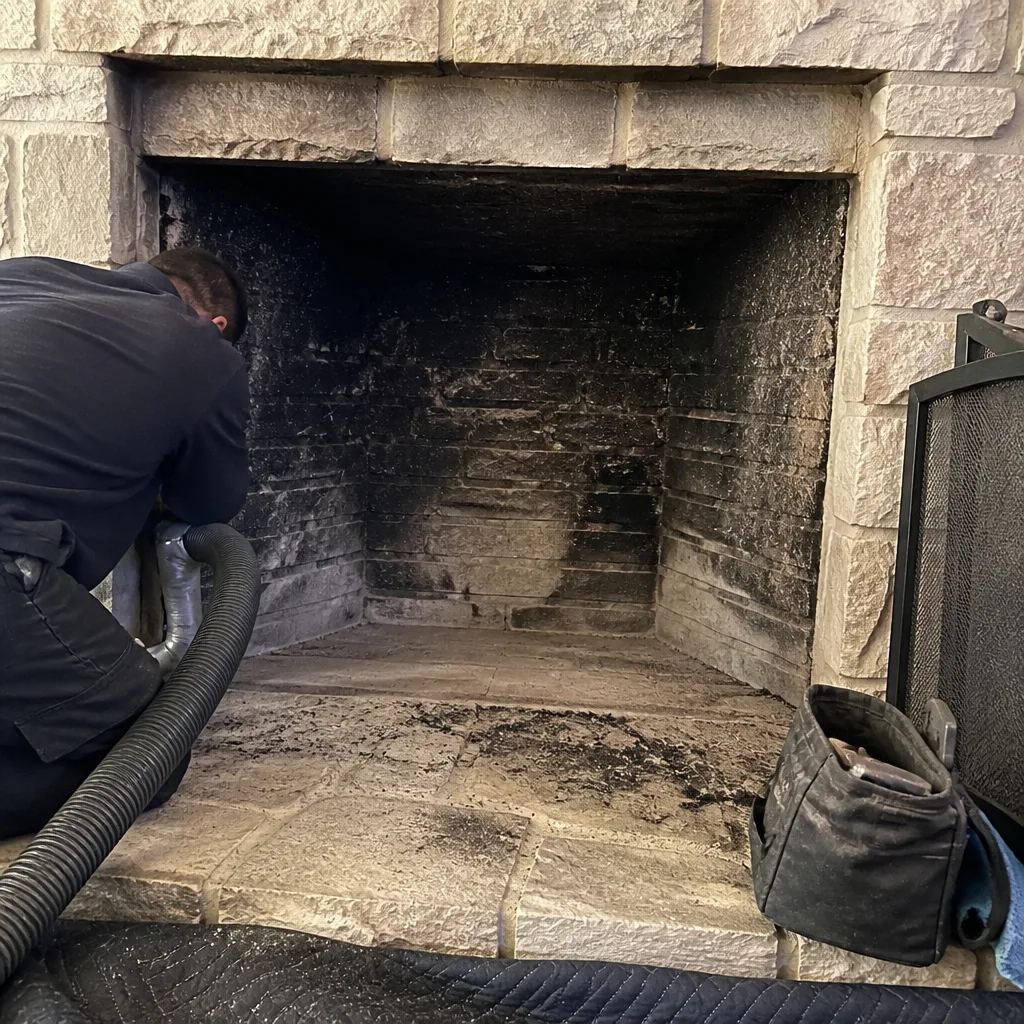 Before
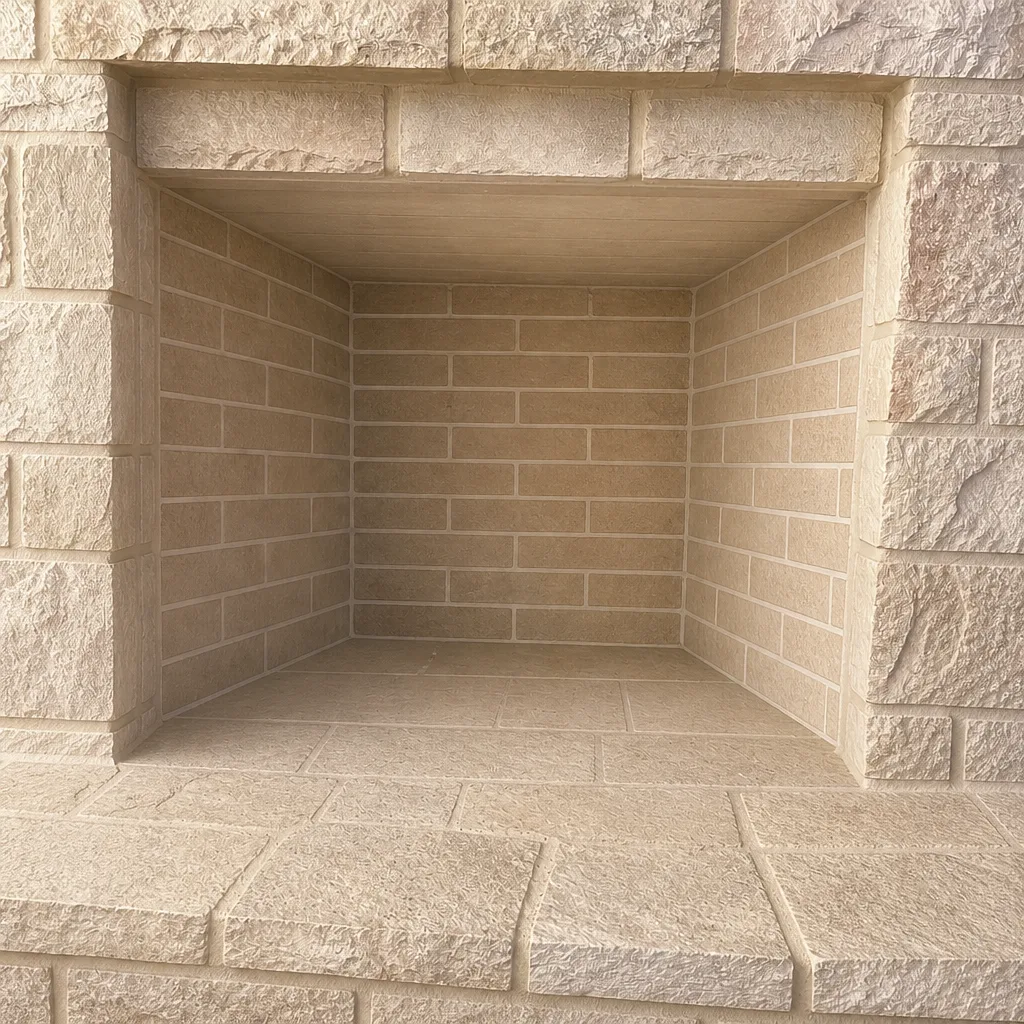 After
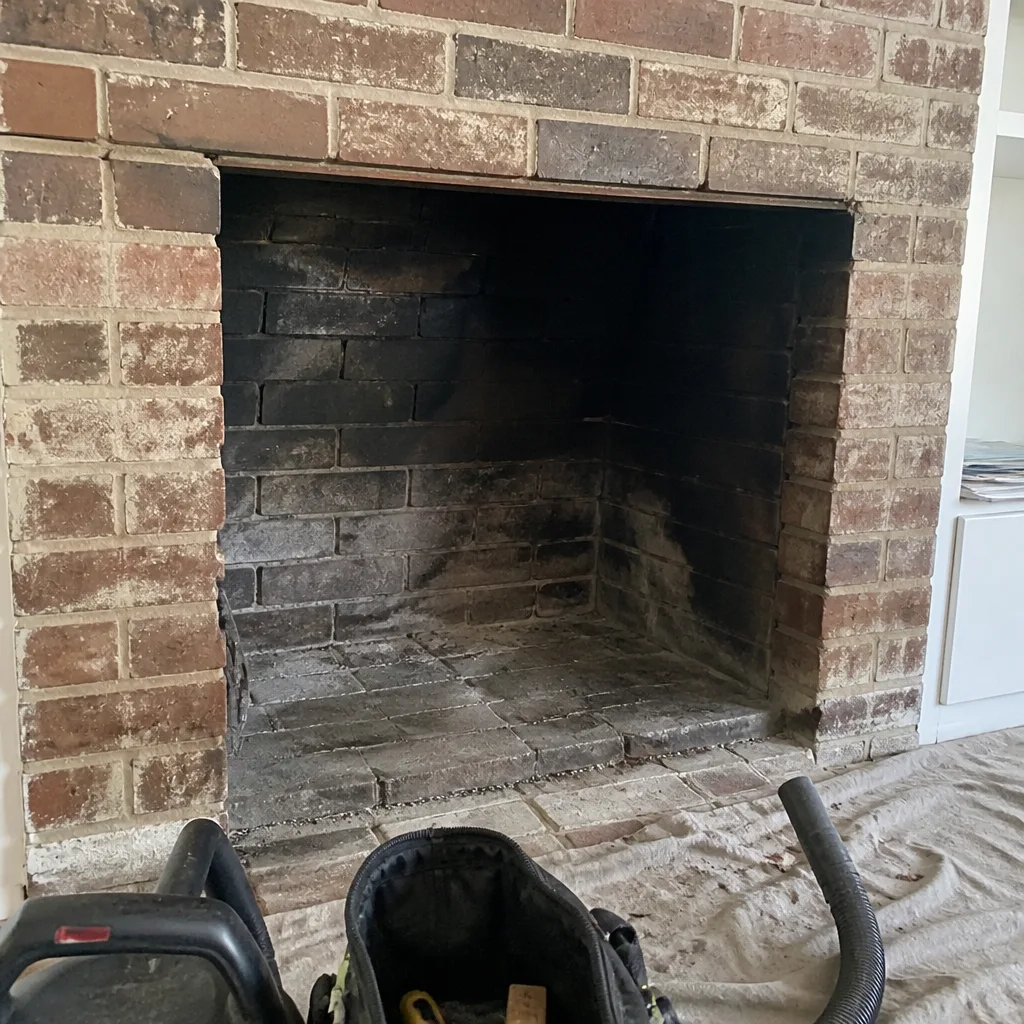 Before
 After
 Before
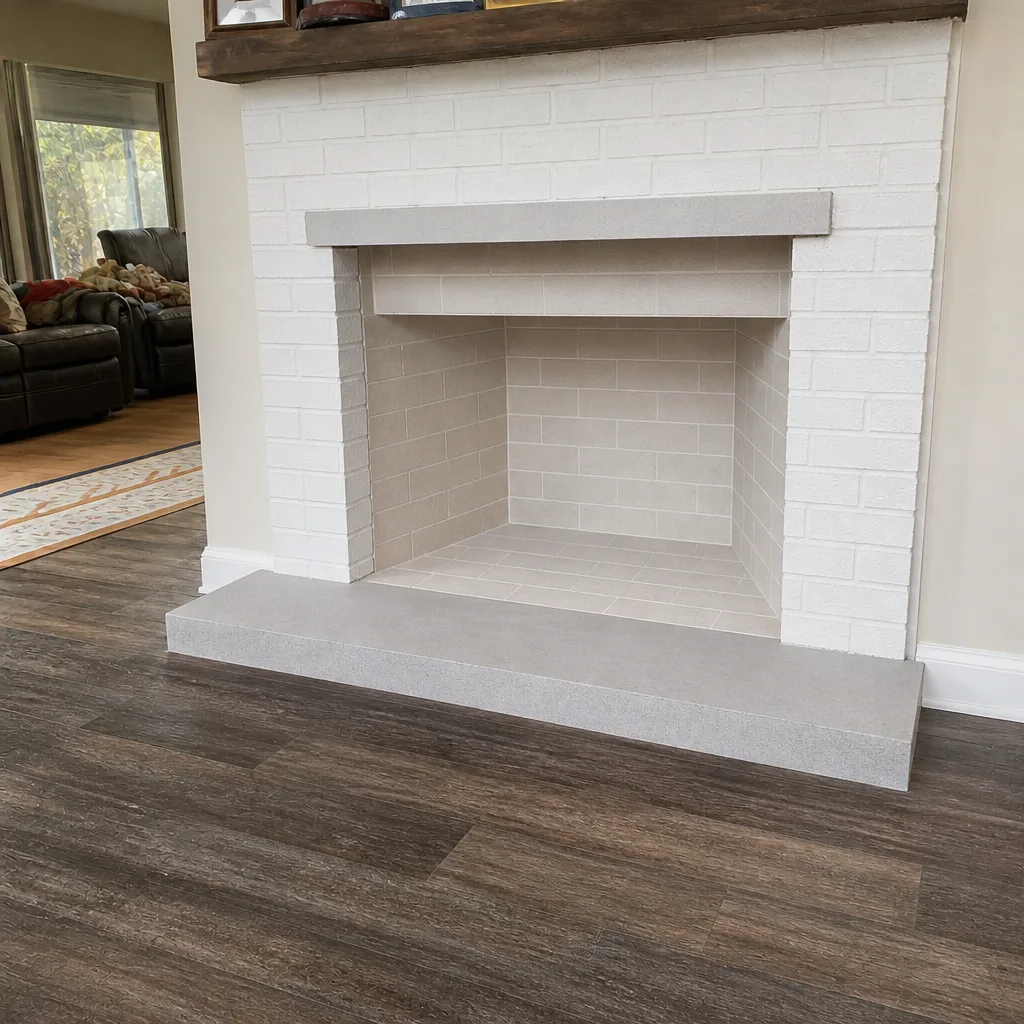 After
When to Call a Professional
Call when you notice something new. A change in the way smoke behaves, a damp or chemical smell, a sticking damper, a new crack in the crown, or spalling after a storm are all reasons to book a visit. Call if it’s been more than a year since the last sweep or inspection, since the standard is once per burning season at minimum. And call if you see glazed or hard creosote in the firebox area: stop using the fireplace and have it removed.
The urgency is seasonal, not hourly. The right time to schedule professional service is before the burning season gets busy, not after the first cold night. Say what you observed and when, and mention anything new since the last visit. That context helps. Linden Chimney Cleaning offers free estimates in Oklahoma City. Call (866) 334-8781. We answer 24/7, and fast dispatch runs from 7am to 7pm, Sunday through Friday.
Frequently Asked Questions
Two parts: monthly checks you can do yourself, and one professional sweep and inspection per burning season. The homeowner checks are smoke behavior, odor type, damper resistance, draft pull, and a look at the exterior from grade. The professional visits cover the full system. The two parts work together, not separately.
At least once per burning season, and more often if you burn heavily or notice signs of buildup. The standard is tied to about 1/8 inch of creosote in the flue. In Oklahoma City, the practical move is to schedule the sweep before heating season and add visits if anything looks or smells different between then and spring.
Roughly the thickness of a nickel in the flue. From the firebox you can spot the early stages by texture: light soot is fine, flaky or crusty layers mean it’s building, and shiny or tar-like coatings mean it’s glazed. A glazed flue should be assessed and cleaned by a professional before it’s used again.
Yes, once per burning season. A chimney that looks and smells fine during use can still have a cracked flue tile, a partial blockage above the smoke chamber, or early mortar recession that isn’t visible from below. The inspection exists to catch what you can’t see from the living room.
New spalling, white powdery stains (efflorescence), crumbling or receding mortar joints, and a crown that looks cracked or uneven. Any of these appearing after an ice storm or spring wind is worth an inspection. They’re all moisture and freeze-thaw signals.
Burn seasoned wood, avoid smoldering low fires, and keep the firebox clear. Those three things reduce how fast creosote builds. They won’t replace a professional sweep, but they stretch the timeline and make each sweep easier.
The Bottom Line
The point of a maintenance checklist isn’t to fill out boxes. It’s to notice change. In a climate with ice storms, freeze-thaw winters, and spring wind, an Oklahoma City chimney can shift condition between professional visits without any warning sign that a calendar would catch. So the guide comes down to this: watch four things from inside the house (smoke, smell, damper, draft), check the exterior from grade after every storm, log what you find with dates, and book a professional sweep and inspection once per burning season. When you notice something new, call rather than wait. A clean flue and a written account of what we found is what you should get from the visit. If you’re ready to schedule one, reach out to Linden Chimney Cleaning for a free estimate.
Contact Us
If any of the signals in this guide ring a bell, the next step is straightforward. Call (866) 334-8781 for a free estimate. We’ll inspect the chimney, explain what we found, and tell you plainly what needs attention now and what can safely wait. We answer 24/7, with fast dispatch from 7am to 7pm, Sunday through Friday.
Written by the team at Linden Chimney Cleaning.