
Last updated November 16, 2026
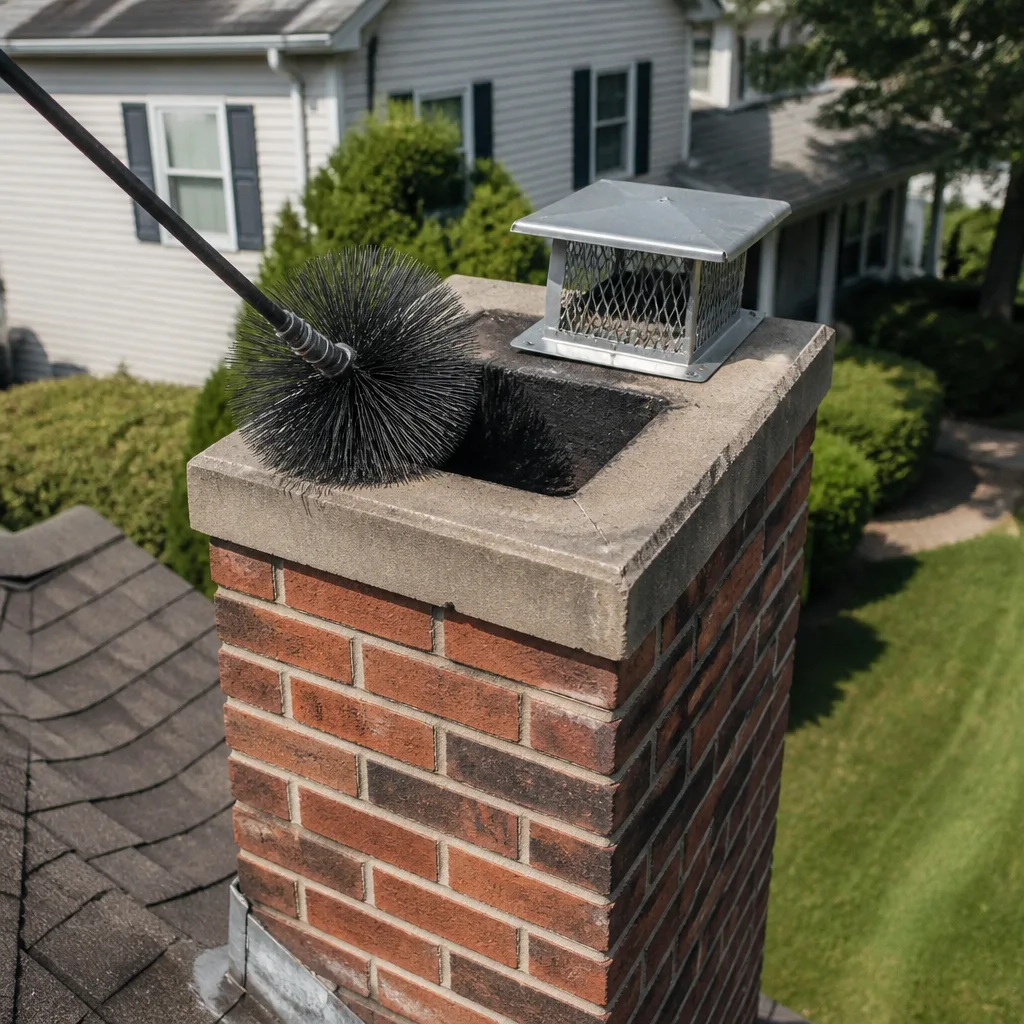 Sweep & inspection
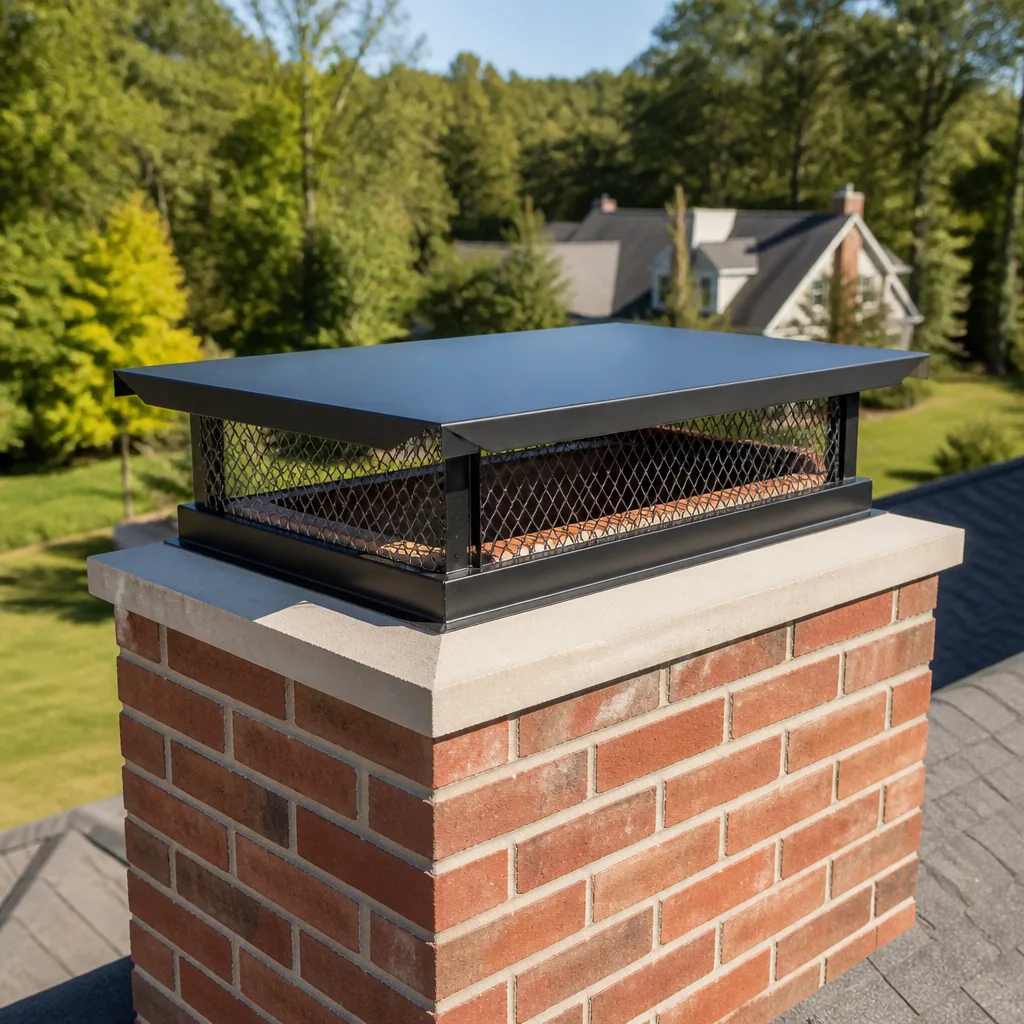 Caps & crowns
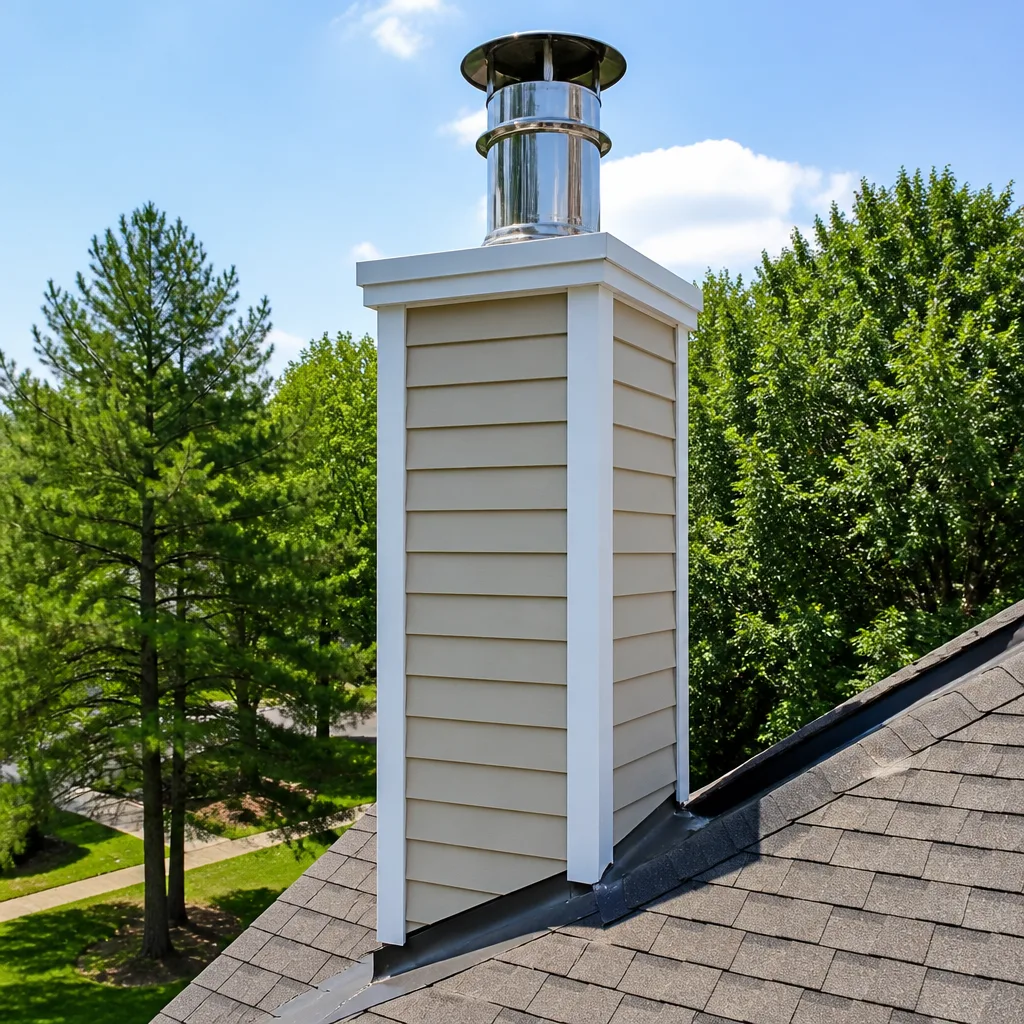 Flue relining
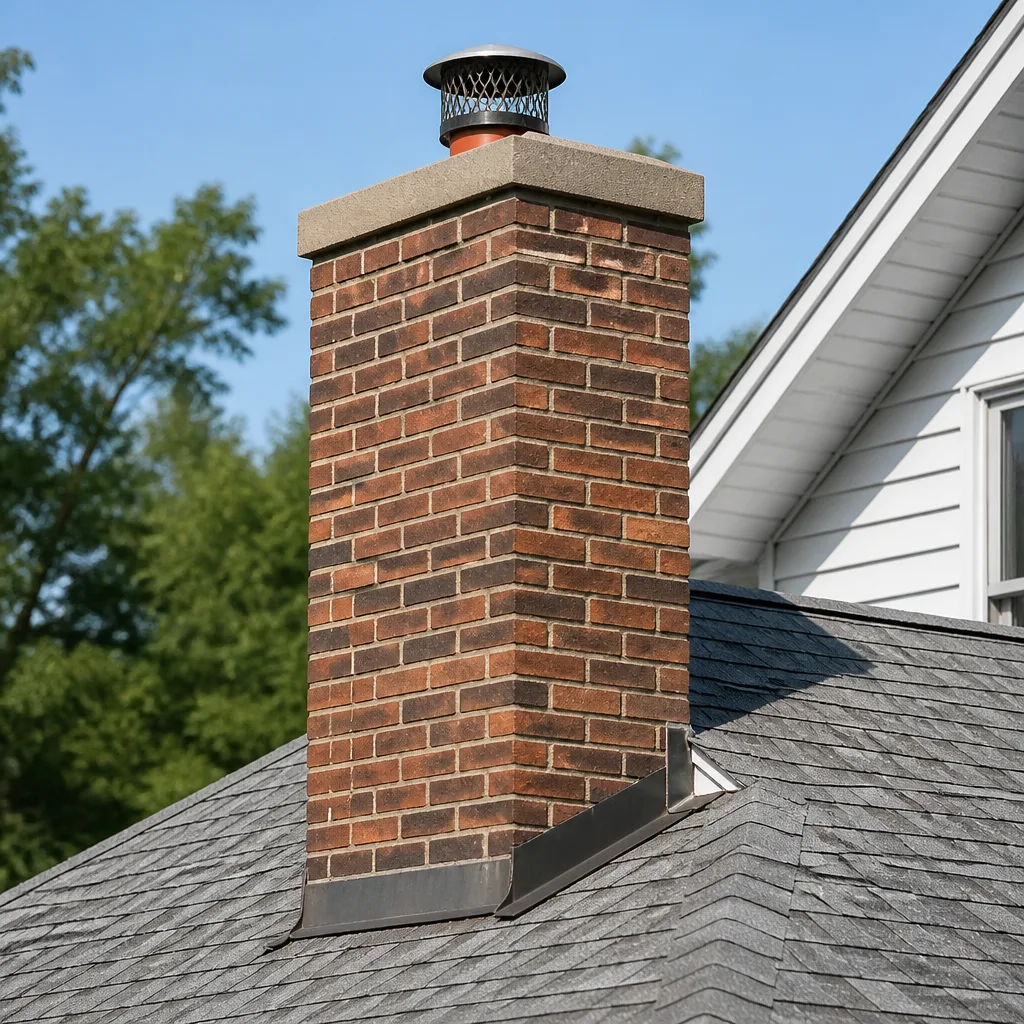 Masonry repair
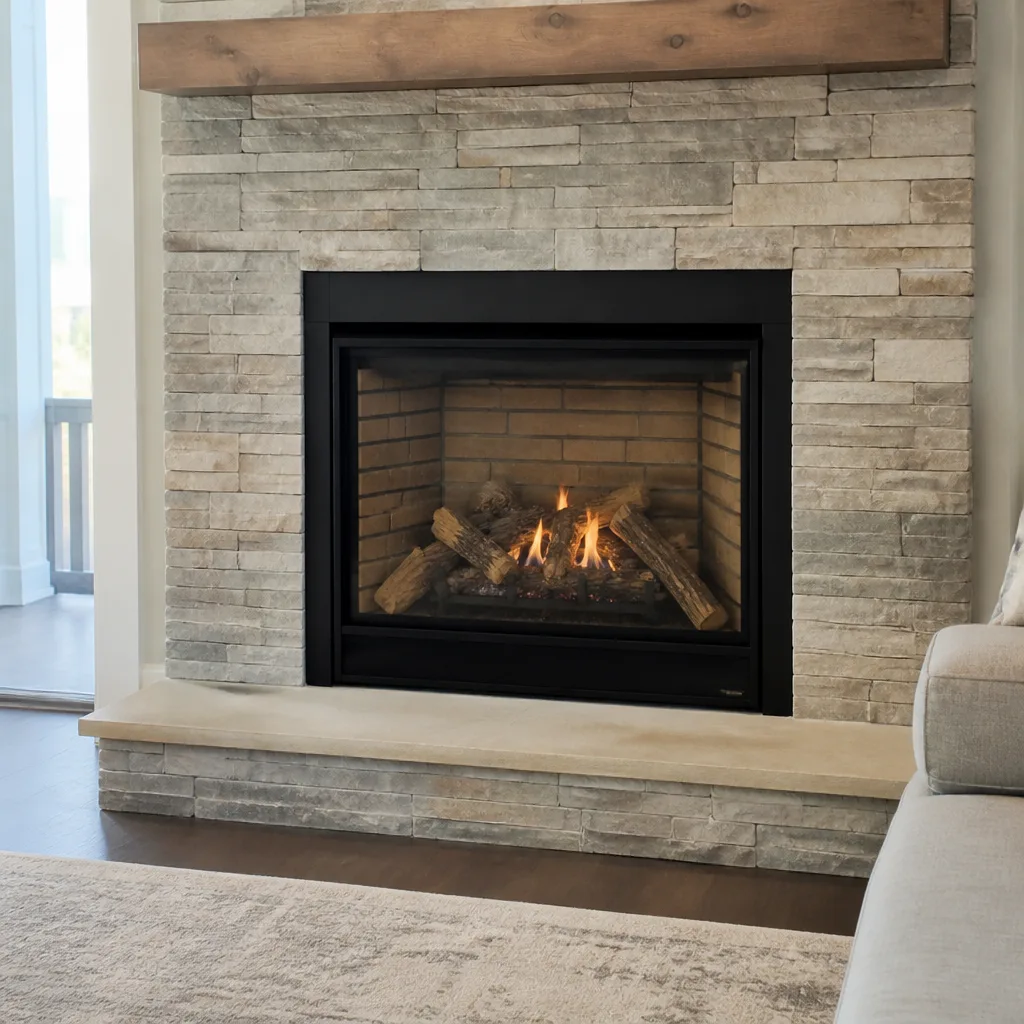 Gas fireplace service
Level 1 sweep and inspection to the NFPA 211 annual standard - flue, crown, cap, and flashing checked and photographed
Chimney sweep logs do not sweep chimneys. They loosen some creosote - which then falls where a brush and vacuum still have to collect it.
Chimney Cleaning Warning Signs: An Oklahoma City Homeowner’s Reference Guide
A white stain on the outside of your chimney and a white stain inside the firebox look almost identical. They mean opposite things. The outside stain is usually harmless efflorescence, a mineral bloom drawn out of masonry by ordinary moisture. The inside stain is a different animal altogether: it points to water moving through the flue system, and left alone it quietly destroys refractory mortar from the inside out. Reading chimney warning signs isn’t about spotting problems. It’s about sorting them. This guide sorts the symptoms an Oklahoma City homeowner can see, smell and hear into three tiers: urgent, near-term, and monitor. By the end you’ll know which sign means stop burning today, which means book a visit within the month, and which is simply a note for your next sweep.
Quick Answer
Chimney warning signs fall into three severity tiers. Stop using the fireplace immediately if you smell a strong tar or creosote odor, see smoke rolling back into the room, or notice cracked or crumbling firebrick with gaps. Schedule an inspection within 30 days for any recurring draft problem, a persistently musty smell, or visible glaze on the flue walls. Note and report at your next service: light surface soot, small exterior stains, and seasonal condensation. Any of the urgent signs means a professional should look before the next fire is lit.
Styles & brands we work with
- Sweep & inspection
- Caps & crowns
- Flue relining
- Masonry repair
- Gas fireplace service
Table of Contents
- The Three-Tier Severity Index
- What Each Chimney Odor Tells You
- Visual Signs You Can See Inside the Firebox
- Draft Problems: Downdraft, Weak Draw, and Backdraft
- Why Some Warning Signs Only Appear Seasonally in Oklahoma
- Signs That Look Serious But Usually Aren’t
- Creosote Stages and What Each One Means
- When to Call a Professional
The Three-Tier Severity Index
Most homeowners either panic at every sign or ignore all of them. Neither response is right. Sorting symptoms by severity lets you act proportionally. Here is how we categorize what we find across Oklahoma City.
Tier 1: Urgent (stop using the fireplace today). These are conditions that can lead to a chimney fire, carbon monoxide intrusion, or structural failure.
- Strong, sharp creosote or tar smell even when no fire is burning
- Smoke rolling into the room rather than up the flue
- Cracked, crumbling, or spalling firebrick with visible gaps in the mortar joints
- A damper that won’t open, won’t close, or crumbles when touched
- Visible heavy glaze or shiny black coating inside the flue
- Any sign of soot escaping around the chimney at the ceiling or roofline
Tier 2: Near-term (schedule within 30 days). Not emergency conditions, but real problems that will get worse:
- Persistently musty or damp smell in the firebox
- Recurring draft problems, especially on cold days
- Loose or missing chimney cap
- Visible water streaks inside the firebox or smoke chamber
- Efflorescence on the exterior chimney that reappears after cleaning
- Any creosote buildup you can clearly see from the damper
Tier 3: Monitor (report at next service). Cosmetic or minor issues worth noting but not worth a separate visit:
- Light surface soot on firebox walls
- Minor exterior efflorescence that doesn’t reappear
- Occasional condensation on the damper in humid weather
- Slight smoke smell after extinguishing a fire
Our technicians have up to 8 years of experience, and the single most common mistake we see in Oklahoma City is a homeowner treating a Tier 2 problem as Tier 3. The guide below explains how to tell them apart.
What Each Chimney Odor Tells You
Smell is the most underrated diagnostic tool a homeowner has. A chimney is a large enclosed system, and anything wrong inside it leaves a scent trail in the living space. Four odors in particular carry specific meaning.
Musty smell. A damp, earthy, basement-like odor coming from the firebox almost always points to moisture. It could be water entering through a damaged crown, a missing or undersized cap, or failing flashing at the roofline. Left unaddressed, that moisture attacks refractory mortar and steel dampers, then freeze-thaw cycles in Oklahoma winters do the rest. A musty smell is Tier 2: real, but you have time.
Sulfurous or rotten-egg smell. This is rarer and more serious. In a wood-burning chimney it typically means trapped moisture decaying organic material (leaves, bird nests, soot-soaked debris). It’s a sign the flue hasn’t been cleaned in a long time, and the nesting materials themselves are a chimney-fire risk. Treat this as Tier 1 if the smell is strong and persistent.
Smoke-in-room smell. If the fireplace smells strongly of smoke when no fire is burning, or if smoke enters the room during a fire, you have a draft failure. That could be a blocked flue, a downdraft from nearby trees or higher structures, or a backdraft caused by negative pressure in the house. All of these are Tier 1 until ruled out.
Tar or creosote smell. A sharp, almost chemical odor like hot asphalt is a creosote indicator. When creosote reaches the glazed stage it releases this smell even without a fire. This is the clearest Tier 1 sign in the whole guide: stop burning and get the flue inspected.
Visual Signs You Can See Inside the Firebox
You don’t need tools to spot the most important warning signs. Most of what matters sits in the firebox itself. Here’s the shortlist of what to look at, and what each finding means.
- Check the firebrick faces. Look for spalling (flaking, peeling, or crumbling brick faces), cracks, and pieces that have fallen away. Spalling means the brick has been through repeated heating and moisture cycles and is failing.
- Check the mortar joints. Run your eye along the joints between firebricks. Sound mortar looks continuous. Failing mortar is cracked, recessed, or crumbly to the touch. Gaps in refractory mortar allow heat to reach the surrounding structure.
- Inspect the damper. Open and close it. Corrosion, stiffness, a damper that won’t seat flat, or visible rust on the damper frame all matter. A stuck-open damper is a heat loss and carbon monoxide concern; a stuck-closed damper is a smoke-in-the-room concern.
- Look for waterlines. Brownish staining or visible streaks running down the firebox walls point to water intrusion from above. If you see them, look for efflorescence on the exterior chimney.
- Check the smoke chamber above the damper. Shine a light upward. Heavy soot, crumbling brick, or visible gaps are all worth flagging.
Oklahoma City homeowners with older brick fireplaces in neighborhoods like Mesta Park, Heritage Hills, and Crown Heights often find the most significant firebox wear, because the original refractory mortar has had more decades of heating and cooling than newer construction. What starts as a hairline crack in refractory mortar becomes a heat pathway to framing lumber within a few seasons.
Draft Problems: Downdraft, Weak Draw, and Backdraft
Draft issues are the most misinterpreted chimney symptom. Three distinct problems get lumped together as “the chimney isn’t working,” but they have different causes and different fixes.
Downdraft. You smell cold air blowing down the flue before you light the fire, or the fire struggles to catch. Downdraft is a cold-flue problem: the chimney is full of cold, heavy air that pushes back against the rising smoke. It usually resolves once the flue warms up. If it happens consistently, it can point to an oversized flue for the appliance, a chimney height problem, or nearby trees and structures.
Weak draw. The fire burns but smolders. Smoke lifts slowly and you smell it in the room even with the damper open. Weak draw often means the flue is partially blocked or undersized, or the smoke chamber is rough and turbulent. It can also mean a smoke chamber that was never properly shaped. This is a Tier 2 finding: get it inspected before burning season.
Intermittent backdraft. The chimney works fine most days and then smokes into the room under certain conditions. This almost always means negative pressure in the house, caused by a kitchen exhaust fan, an HVAC return imbalance, or a tightly-built home that can’t draw makeup air. Intermittent backdraft can also point to a blockage that shifts as creosote accumulates. Tier 1 until you know what’s causing it.
If you’re experiencing any of these, our chimney inspection service exists specifically to rule them in or out, with a written account of what we find.
Why Some Warning Signs Only Appear Seasonally in Oklahoma
Oklahoma’s climate hides some chimney problems for most of the year. That’s the reason so many chimney discoveries happen in October rather than July, and why the absence of symptoms isn’t the same as the absence of a problem.
Summer heat and humidity combine to keep chimney masonry holding moisture without showing it, because there’s no fire driving the drying cycle. Concrete and brick masonry absorbs summer humidity quietly. Then the first cold snap pulls that moisture inward and outward at the same time, cracking vulnerable mortar. Symptoms you never noticed in August appear the first week you build a fire. October and November are the busiest months for a reason.
Fall is when Oklahoma City goes from shorts-and-AC to a 40-degree night within a week. Chimneys that passed a spring glance can fail a first cold fire. And winter ice, more common in this region than many people outside Oklahoma appreciate, does the real damage to masonry that’s already weakened by summer moisture.
Spring is the other seasonal window. A long season of burning leaves creosote deposits that have had all winter to glaze. Then the first warm rains test the chimney cap and crown seal. If you skipped a spring sweep, that creosote and moisture combination warms into a musty smell you’ll notice in the living room but can’t stay in to diagnose.
The lesson: don’t trust a chimney that looked fine last summer. Trust a written inspection done by a qualified technician who knows what to look for specifically in your Oklahoma City home’s flue.
Signs That Look Serious But Usually Aren’t
Not every alarming-looking sign is a real problem. Knowing what’s cosmetic saves homeowners the anxiety of a panic call, and the cost of work they didn’t need.
White staining on the exterior chimney (efflorescence). A chalky white powder that brushes off easily is a mineral bloom, not a sign of active failure. It’s cosmetic unless it returns after cleaning, which then points to moisture getting in through the crown or flashing. Whitish stains at the top of the exterior chimney are more concerning than those at the base.
Light soot on firebox walls. A thin gray coating is normal. Black, shiny, or crusty buildup is not. The difference is thickness and texture, not color alone.
Condensation on the damper. In humid Oklahoma weather, water beads on a cold damper after a fire dies. That’s normal. Water consistently appearing in the firebox on dry days isn’t.
Slight smoke smell after extinguishing a fire. A faint smoke smell for an hour or two is normal as the firebox cools. Smoke smell the next morning, or recurring without a fire, is not.
A black chimney cap. Stainless caps discolor. A discolored cap isn’t a sign of failure. A loose or missing cap is.
If you’re unsure which category a sign falls into, the answer isn’t a guess. It’s a camera inspection and a written report. Our team at Linden Chimney Cleaning works with the same professional-grade material brands used by certified chimney technicians nationwide, including DuraFlex and Olympia Chimney, so whether the answer is “clean and go” or “this needs repair,” you get a documented recommendation either way.
Creosote Stages and What Each One Means
Creosote is the single most important warning sign category because it’s the primary fuel in chimney fires. It builds in four recognizable stages, and each one demands a different response.
Stage 1: Soot and light flaky creosote. A thin powdery or flaky residue on the flue walls, easy to brush off. This is normal after a season of burning. It’s the state a properly-maintained flue should be in at each sweep.
Stage 2: Crusty, brittle creosote. Flakes and crusts that have hardened. It’s still brushable but takes more work. This stage is the reason annual or twice-seasonal sweeps matter: leave it alone another season and it progresses.
Stage 3: Glazed creosote. The flue wall is coated in a shiny, hard, tar-like layer. It doesn’t brush off with a standard sweep. Glazed creosote is the most common stage that ignites during a chimney fire, and it often requires chemical treatment or resurfacing to remove. If you can see a shiny black coating above the damper, that’s Tier 1.
Stage 4: Puffy, porous creosote. Rare but the most dangerous. Puffy deposits have more surface area and ignite easily. Any accumulation at this stage means the chimney should not be used until the flue is cleaned.
Oklahoma City homeowners often burn a mix of hardwood and the region’s plentiful cedar and oak. Cedar in particular creates fast-building creosote because it burns hot and releases more volatiles per hour. If your main fuel is cedar, expect faster creosote build and get a sweep twice a season rather than once.
When to Call a Professional
Some conditions need a professional’s eyes before the next fire. If any of the following applies to your chimney, call rather than guess: a strong tar or creosote smell without a fire, smoke entering the room during a fire, cracked firebrick with gaps in the mortar, a damper that won’t operate, visible water intrusion in the firebox, recurring draft problems, or a chimney cap that’s loose, damaged, or missing. Each of these can be resolved, but none of them can be safely diagnosed from the living room. A qualified sweep with a camera inspection gives you a written account of what’s actually happening inside the flue.
Linden Chimney Cleaning offers free estimates in Oklahoma City, and we handle the full chimney lifecycle: chimney sweep, chimney inspection, and chimney repair. That means no referrals to a separate contractor once a problem turns up. Call (866) 334-8781. We answer 24/7, and fast dispatch runs from 7am to 7pm, Sunday through Friday.
Common Mistakes to Avoid
- Treating every warning sign the same. Panic calls cost money, and quiet ignoring costs safety. Match the response to the severity tier before you decide what to do.
- Skipping a sweep because the chimney “looked fine last year.” Oklahoma’s seasonal moisture hides problems for months. A visual glance in August doesn’t tell you what the flue looks like in December.
- Assuming a white exterior stain is always harmless. If it keeps returning after cleaning, it’s a moisture problem, not a cosmetic one. Repeated efflorescence usually means the crown, cap, or flashing needs attention.
- Burning cedar without adjusting your sweep schedule. Cedar is common around Oklahoma City and builds creosote faster than most hardwood. Twice-seasonal sweeps are a real requirement, not an upsell.
- Ignoring a musty smell. A dull, damp odor in the firebox is the earliest and easiest-to-miss sign of water intrusion. By the time it becomes visible water, the refractory mortar is already affected.
- Assuming a working fire means a healthy chimney. A chimney will burn with glazed creosote on the walls right up until it doesn’t. The absence of symptoms isn’t a diagnosis.
- Letting a stuck damper sit. A damper that won’t close properly lets conditioned air escape year-round and lets cold air in. It’s also often an indicator of corrosion somewhere else in the assembly.
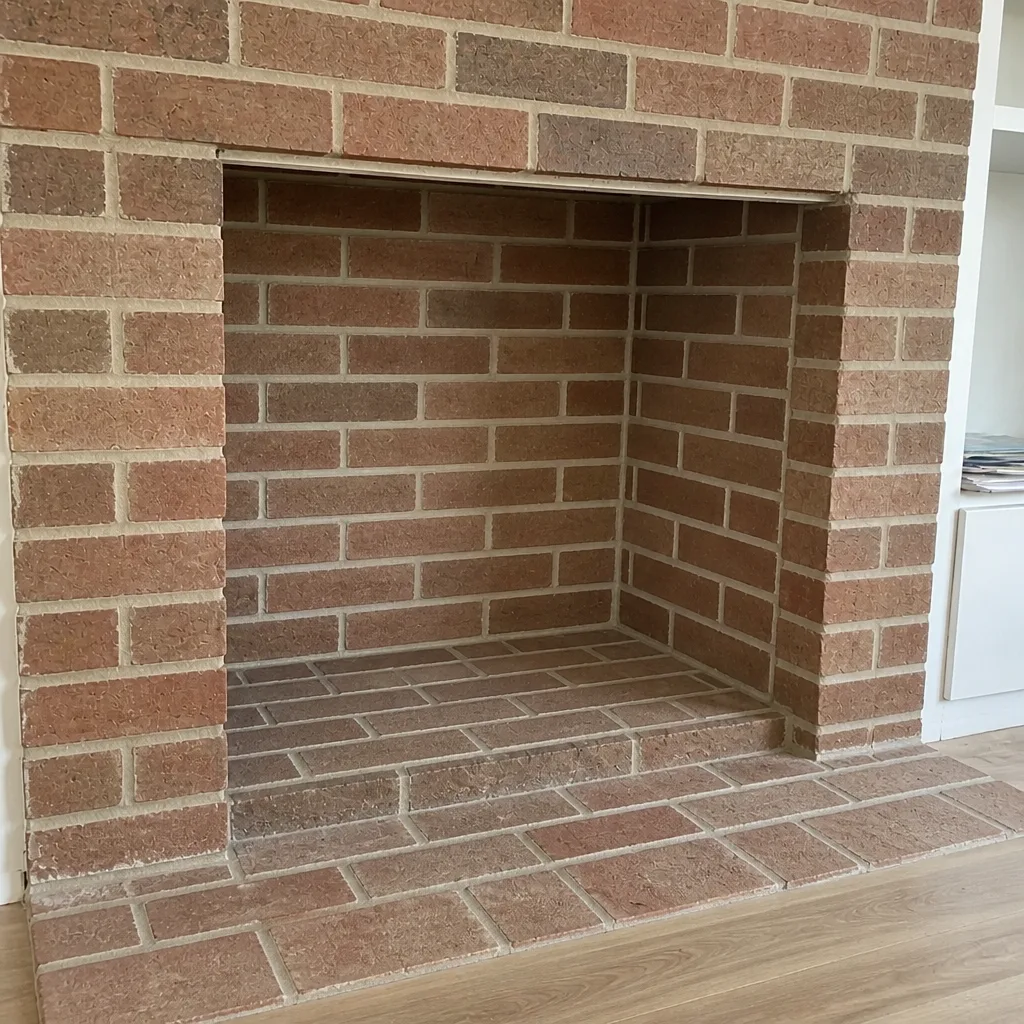
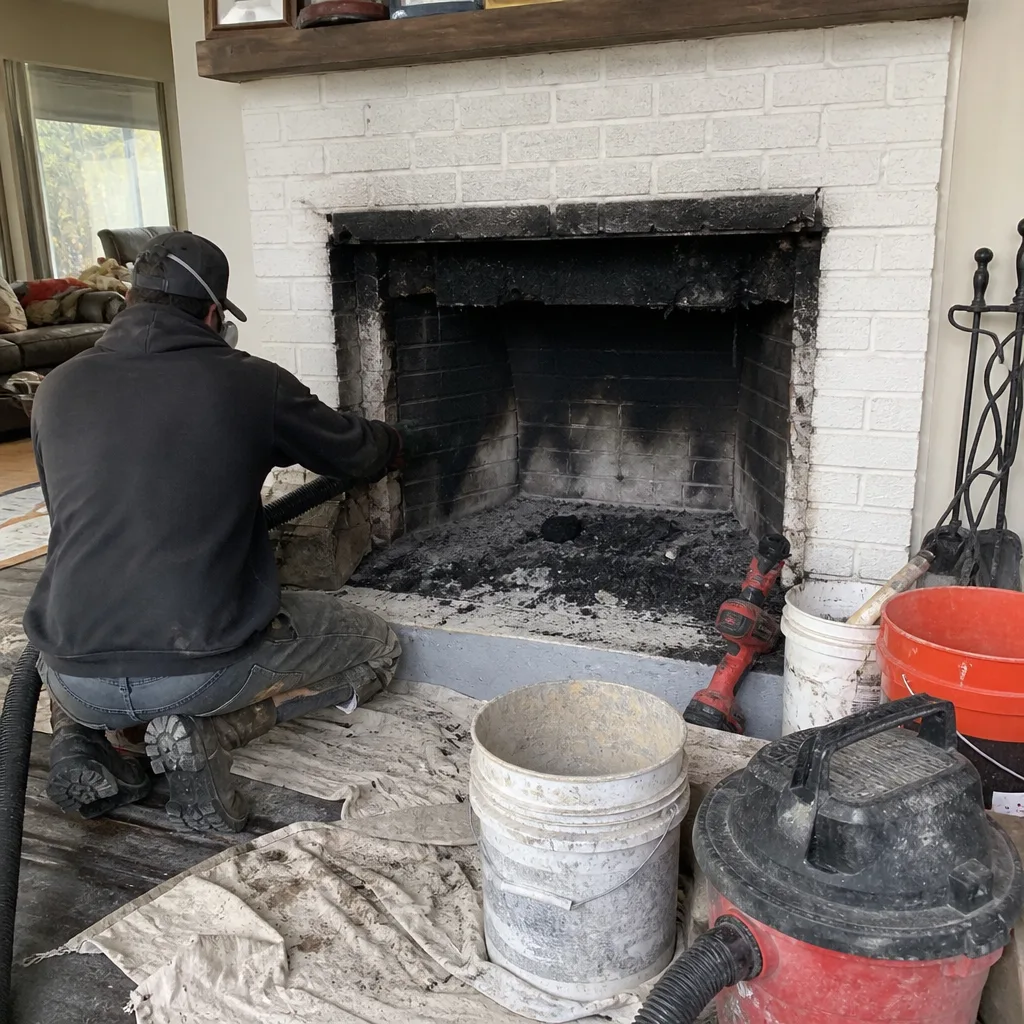
See the difference
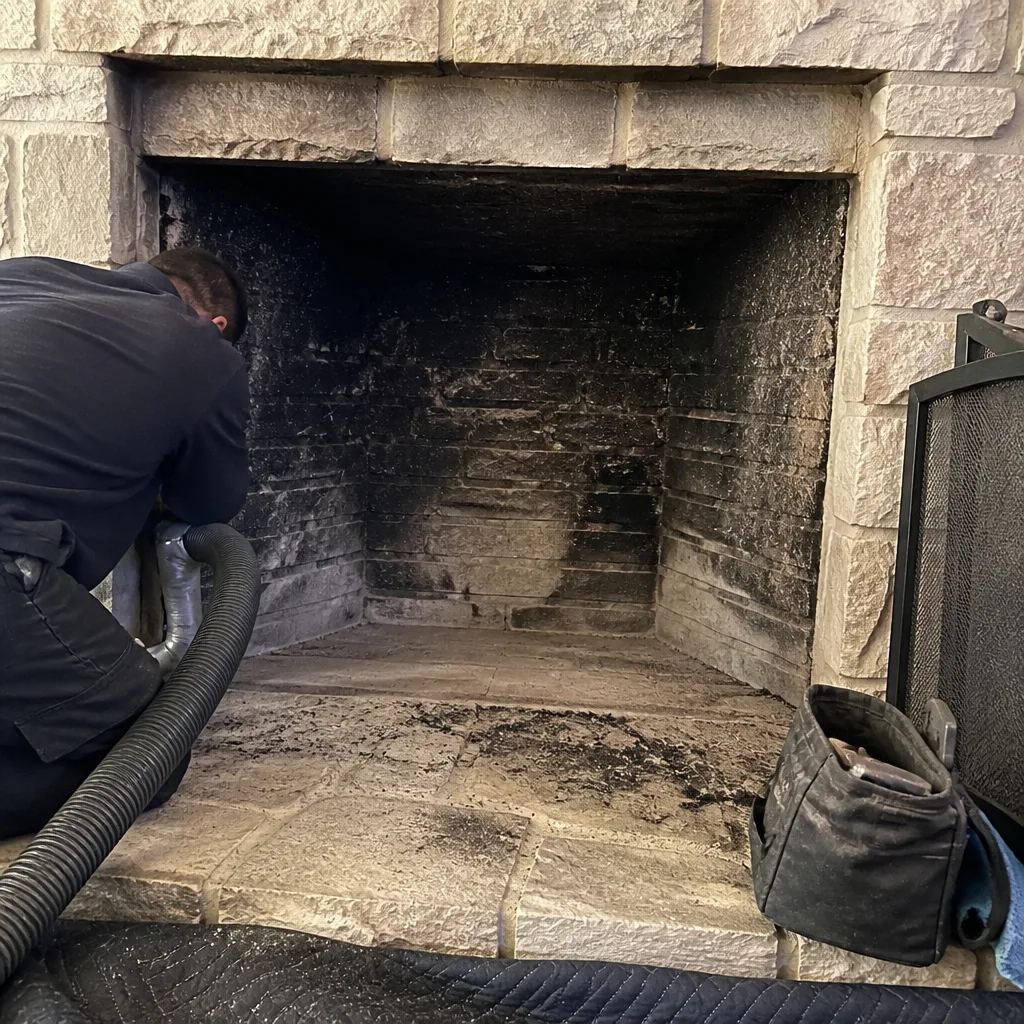 Before
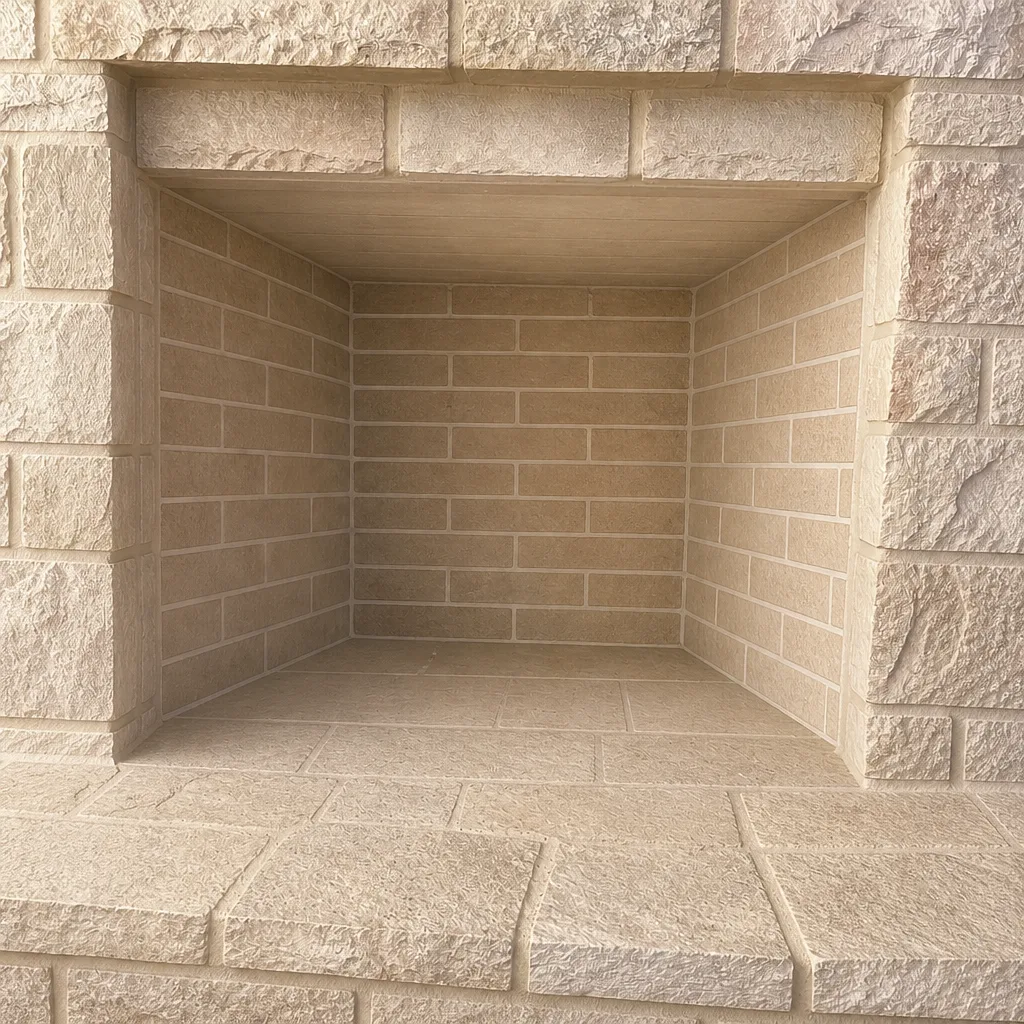 After
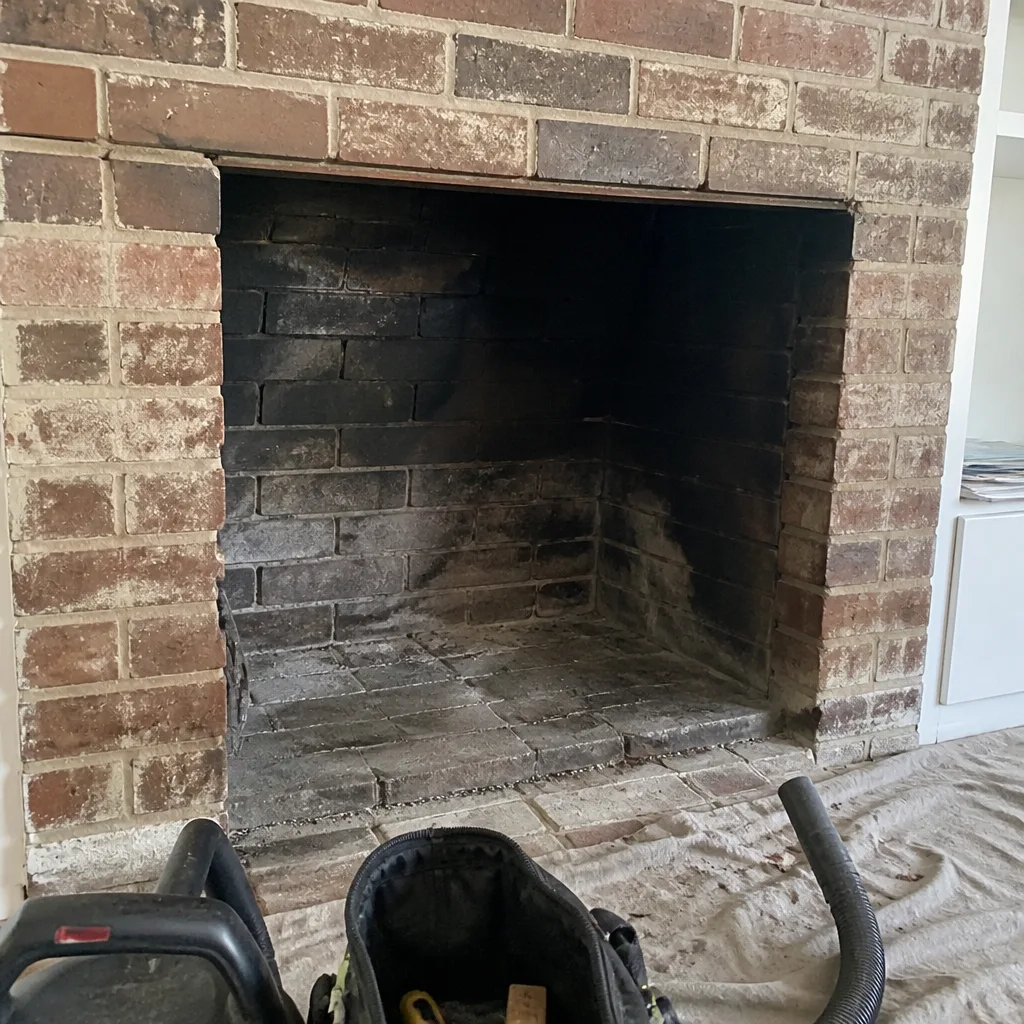 Before
 After
 Before
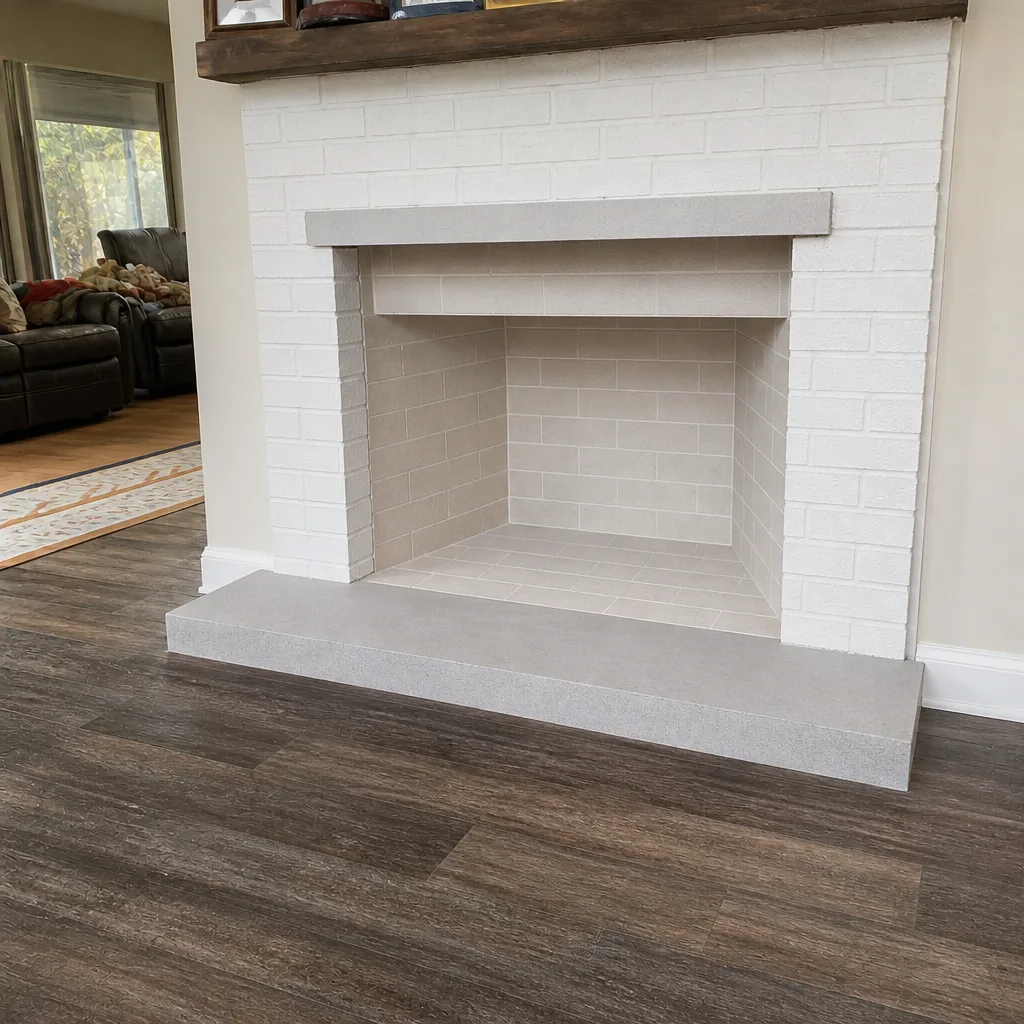 After
Why Oklahoma City Chimneys Age Differently
A chimney’s failure pattern depends on climate, and Oklahoma City’s climate is not gentle on masonry. The combination of humid summers, cold snaps that arrive fast, and frequent freeze-thaw cycling in the cooler months pushes masonry through more expansion-and-contraction cycles than chimneys in a milder region see. Brick that would hold tight for decades in a stable climate develops hairline cracks here.
Understanding how a chimney’s environment shapes its wear helps homeowners know which warning signs matter most. A homeowner in Nichols Hills with a masonry chimney will see efflorescence before they see spalling. A homeowner in a newer suburban build might see draft problems first, because tighter construction means less makeup air. Both are legitimately different and both deserve actual inspection, not a guess from a YouTube video.
If you’re in Edmond, Yukon, Mustang, Norman, or any of the suburbs ringing Oklahoma City, your home’s chimney faces the same local conditions. The recommended schedule is the same. The warning signs to watch for are the same. The right response is the same: act on what you actually see, not on what you assume.
Frequently Asked Questions
Once a year for most homes that burn regularly through the heating season, and twice a season if cedar is a primary fuel. The National Fire Protection Association recommendation is that chimneys be inspected annually, and swept as needed. If you burn several cords of wood a year, plan on a mid-season sweep as well. A chimney sweep that clears any creosote buildup returns the flue to a safe condition, and the sweep visit is your best chance to catch Tier 2 signs before they become Tier 1. Call (866) 334-8781 for a free estimate on your first sweep.
A musty smell from the firebox points to moisture in the chimney system, usually from a faulty crown, a missing or undersized cap, or failing flashing at the roofline. It’s a Tier 2 sign: real, but not an emergency. The fix is to find where the water is entering and correct it, which a camera inspection can do. Ignoring it lets the moisture reach the damper and refractory mortar, where winter freeze-thaw cycles do more damage. Call (866) 334-8781 to schedule an inspection.
No. Cracked or spalling firebrick with gaps in the mortar lets heat reach the framing and surrounding structure behind the firebox, which is a fire risk. That’s a Tier 1 sign: stop using the fireplace until a professional inspects it. Spalling firebrick is often the result of years of moisture cycling, and repair usually involves re-mortaring or replacing the affected refractory material. Do not light another fire until you’ve had it looked at. Call (866) 334-8781.
That pattern typically points to intermittent backdraft, caused by negative pressure in your home. A kitchen exhaust fan, HVAC imbalance, or tightly-sealed construction can pull smoke back into the room under specific conditions. It can also mean a partial blockage that shifts as creosote accumulates. Either way, it’s Tier 1 until you know the cause, because the mechanism that pulls smoke down can also pull carbon monoxide down. An inspection with a camera will tell you which it is. Call (866) 334-8781 for a free estimate.
Efflorescence is a white, powdery mineral bloom that brushes off easily and is usually cosmetic. A water stain is a brownish or dark line or streak that reappears after cleaning, and it indicates active moisture getting into the chimney. The first belongs in the monitor tier if it doesn’t return; the second belongs in the near-term tier and deserves attention within a month. When we find either, we recommend a chimney repair only when the evidence shows it’s needed, and we tell you plainly when it can safely wait.
Shine a light up the flue from the damper. A shiny, hard, tar-like black coating on the flue walls is glazed creosote. It doesn’t brush off with a standard sweep and is a significant chimney-fire risk: stop using the fireplace and get it inspected. The good news is that glazed creosote can be removed with a chemical treatment or resolved by relining the flue. Our team works with HeatShield resurfacing and DuraFlex liner systems specifically for these cases, and the choice depends on what the flue walls actually look like. Call (866) 334-8781 for a free estimate.
The Bottom Line
Chimney warning signs are only useful if you know what each one means. Stop burning immediately if you smell strong creosote, see smoke entering the room, or find cracked firebrick with gaps in the mortar. Schedule a visit within 30 days for a musty smell, recurring draft problems, or any sign of water in the firebox. Note and report the small ones at your next sweep. Oklahoma City’s humid summers and fast cold snaps hide real problems behind mild-seeming symptoms, so the absence of a warning sign isn’t proof of a healthy chimney. What gives you confidence is a camera inspection with a written record of what’s inside the flue before the next fire is lit. Match the response to the severity, and you’ll spend your money and your worry where they actually help.
Linden Chimney Cleaning handles sweep, inspection, and repair as a single specialized provider for homeowners across Oklahoma City and the surrounding suburbs. We source caps, covers, flue components, and liner systems from Olympia Chimney, Famco, Copperfield, and DuraFlex, and every job is a chimney job. We inspect it, clean it, and fix it under one company. Estimates are always free, and the written estimate sets the final price. Call (866) 334-8781. We answer 24/7. Fast dispatch from 7am to 7pm, Sunday through Friday.
Written by the team at Linden Chimney Cleaning.