
Last updated November 16, 2026
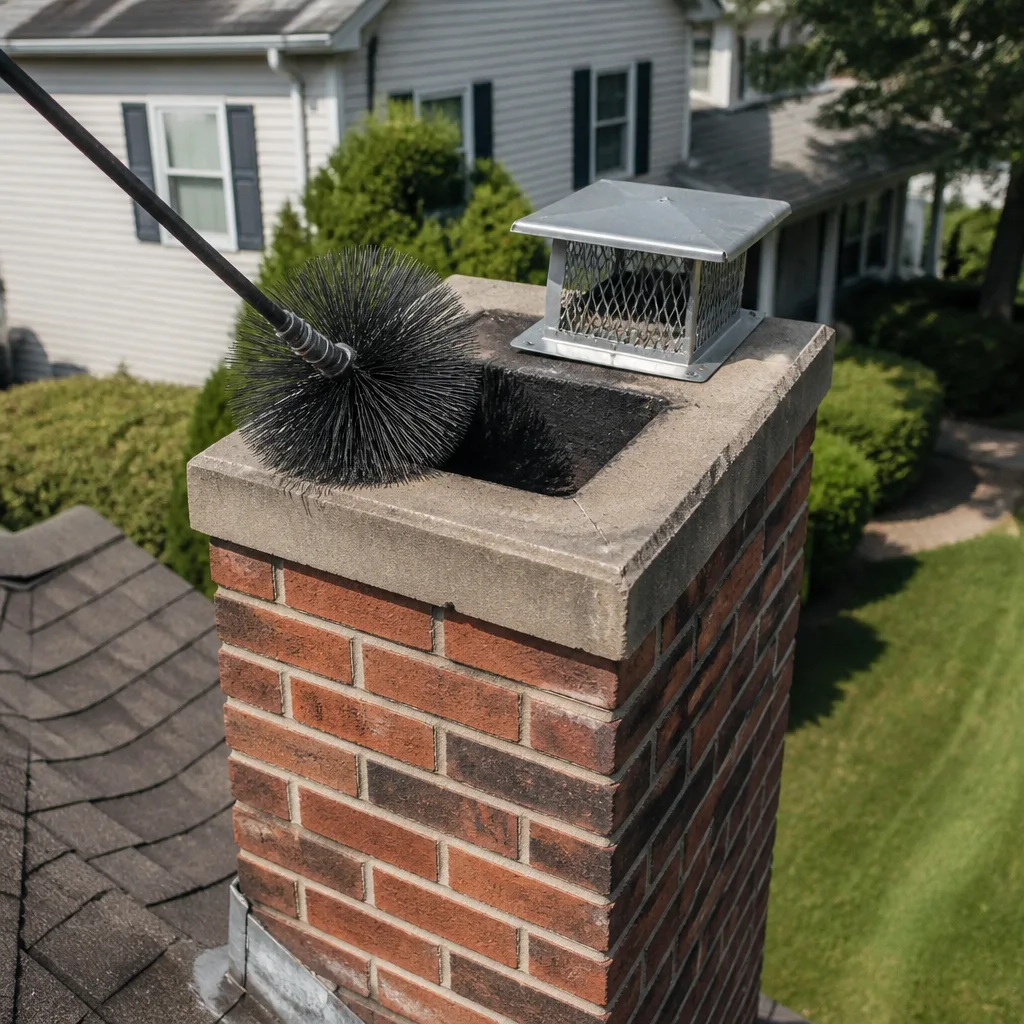 Sweep & inspection
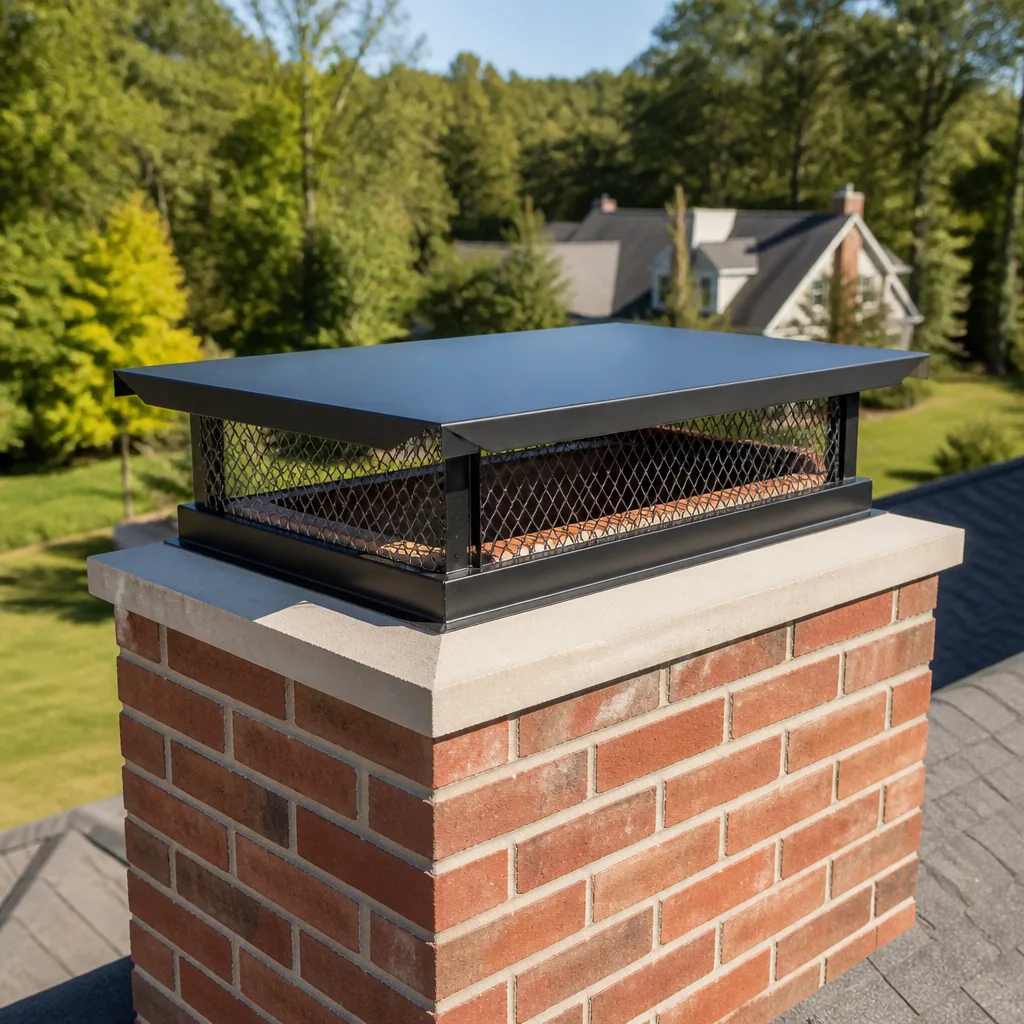 Caps & crowns
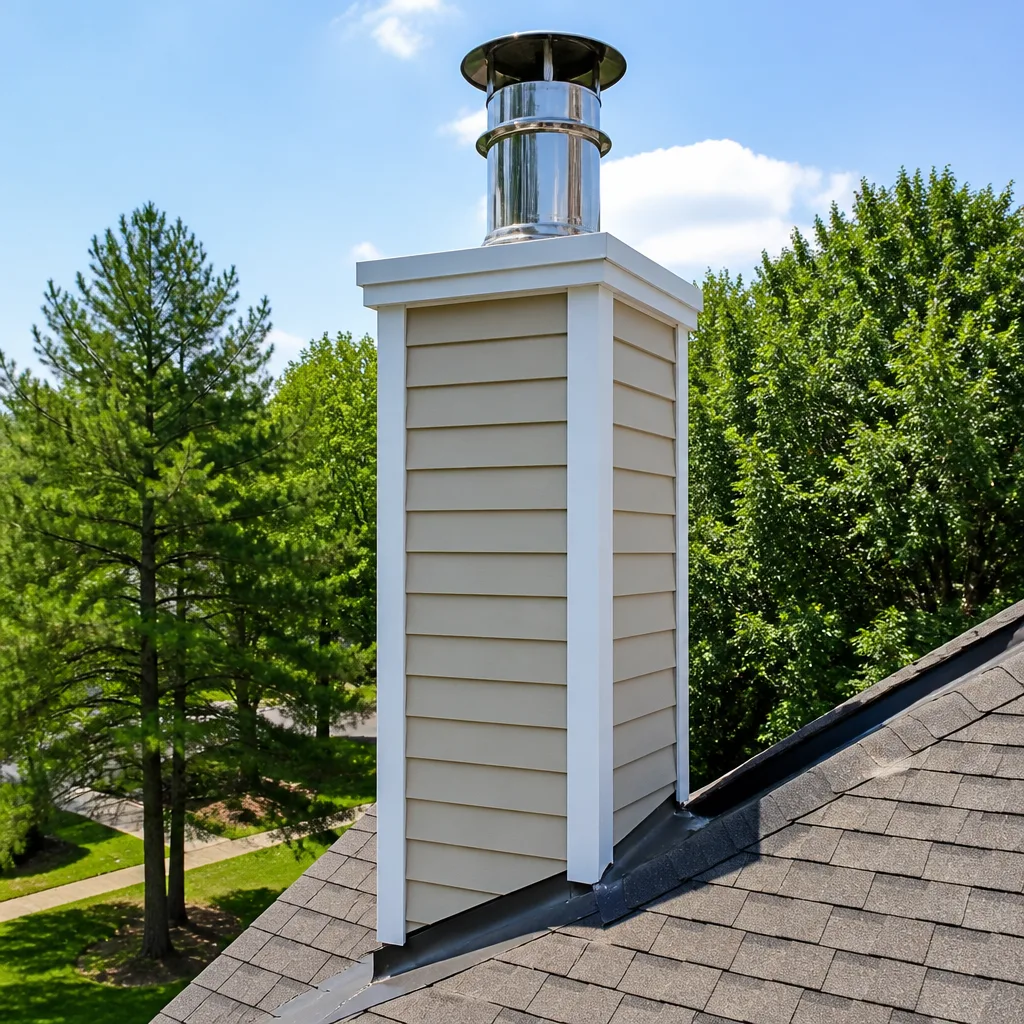 Flue relining
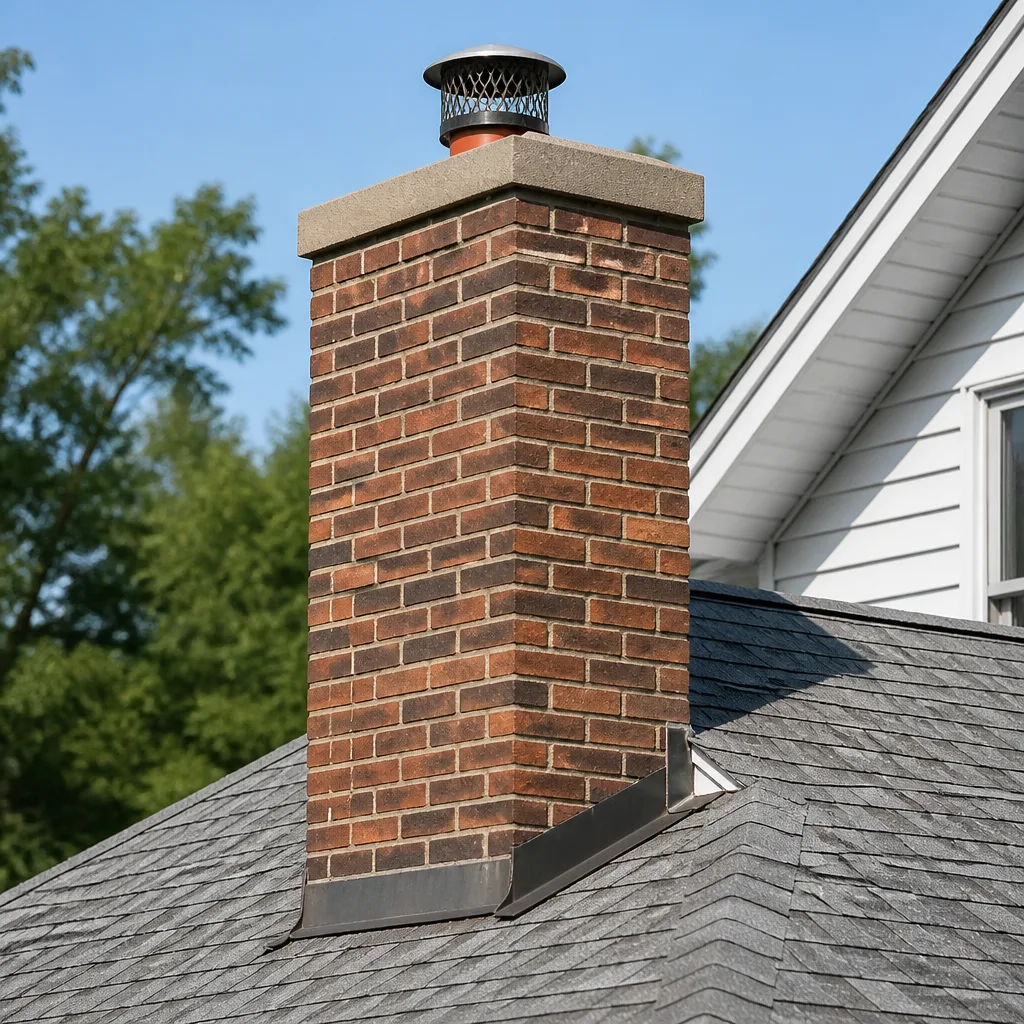 Masonry repair
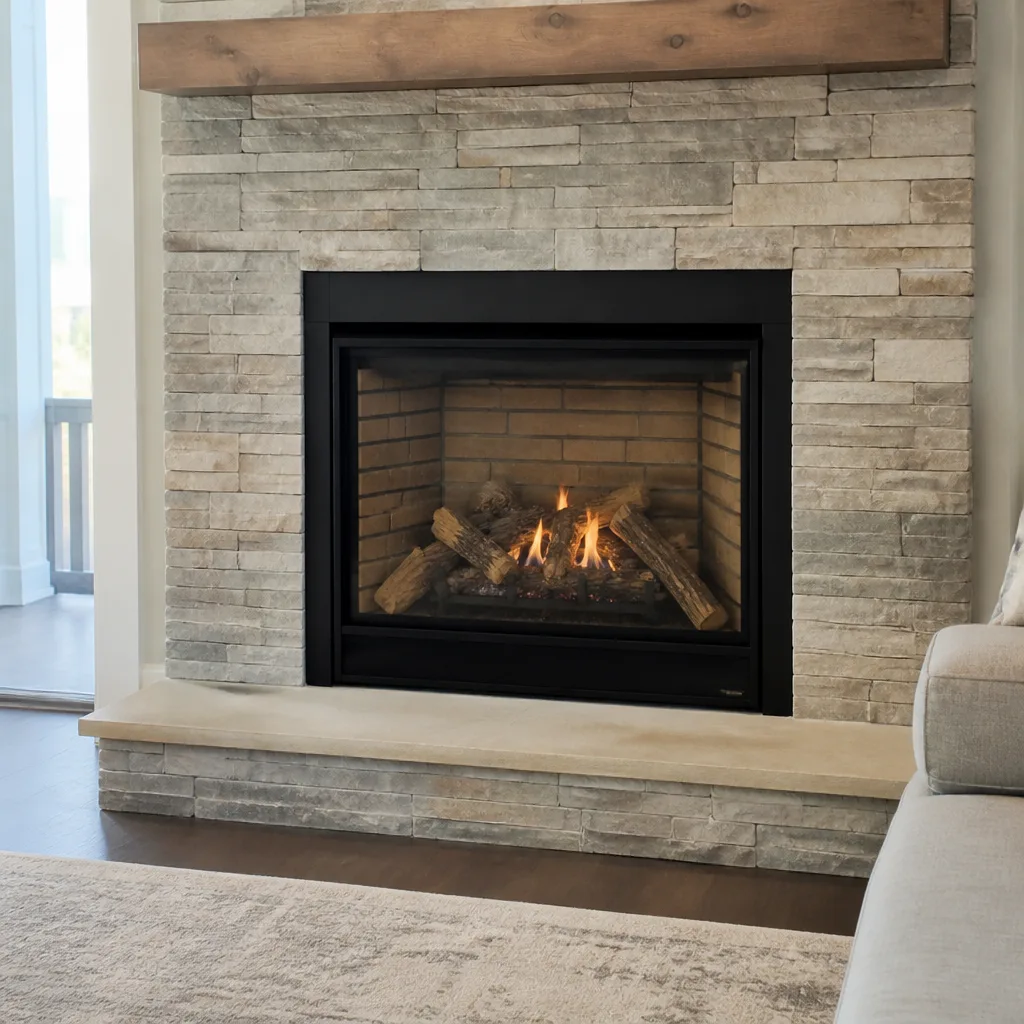 Gas fireplace service
Level 1 sweep and inspection to the NFPA 211 annual standard - flue, crown, cap, and flashing checked and photographed
Chimney sweep logs do not sweep chimneys. They loosen some creosote - which then falls where a brush and vacuum still have to collect it.
Chimney Cleaning Permits, Codes & Inspections in Oklahoma City, OK: What You Need to Know
Here’s the part that surprises most homeowners: a routine chimney sweep in Oklahoma City doesn’t require a permit. But the moment that sweep turns into a relined flue, a rebuilt crown, or a new damper system, you’re in different territory. Permit requirements kick in, and not everyone doing the work knows exactly where that line sits. The trouble tends to surface at the worst time: during a home sale inspection, when a buyer’s inspector flags a liner that was installed without the right paperwork. At that point, correcting it becomes your responsibility, no matter who did the original work. This guide draws that line clearly, so you know what’s cleaning, what’s construction, and what to document.
Quick Answer
In Oklahoma City, routine chimney cleaning and inspection don’t require a building permit, but structural repairs like flue relining, crown replacement, firebox rebuilding, and damper installation generally do fall under permit requirements through the Oklahoma City Development Services Department. The dividing line is whether you’re removing creosote or altering the structure of the chimney system. NFPA 211 is the adopted standard in Oklahoma for chimney construction and inspection, and a Level II inspection is the documented proof that follows real estate transactions, chimney fires, and system modifications.
Styles & brands we work with
- Sweep & inspection
- Caps & crowns
- Flue relining
- Masonry repair
- Gas fireplace service
Table of Contents
- Cleaning vs. Repair: Where Oklahoma City’s Permit Line Actually Sits
- NFPA 211 and What It Means for Your Inspection Records
- When a Level II Inspection Is Legally Required
- How Unpermitted Chimney Repairs Affect Oklahoma Homeowner’s Insurance
- Pulling the Permit Yourself: The Step-by-Step Process
- Oklahoma City Climate, Housing Stock, and Chimney Wear
- What Proper Documentation Actually Looks Like
Cleaning vs. Repair: Where Oklahoma City’s Permit Line Actually Sits
A chimney sweep removes creosote, soot, and blockages from the flue. That’s maintenance. No permit is involved because you’re not changing anything structural. Your sweep brushes the flue, runs a camera if needed, clears the smoke chamber, and hauls away the debris. The chimney is functionally the same system after the sweep as it was before.
Then the work shifts. The moment a technician relines a flue, rebuilds a crown, installs a new damper assembly, replaces firebox masonry, or adds a chimney cap that requires structural attachment, you’re now modifying the system. Under the Oklahoma Uniform Building Code Commission’s adopted codes and Oklahoma City’s local amendments, that’s construction work, and construction work on a chimney system generally triggers a building permit.
Here’s the practical breakdown:
- No permit typically required: chimney sweeping, Level I inspection, Level II camera inspection, cap replacement using existing attachment points, minor flashing sealing.
- Permit generally required: flue relining (including flexible stainless liner installation), crown rebuild or replacement, firebox reconstruction, masonry repair that affects structural integrity, damper replacement that involves cutting or altering the chimney structure, and any work that changes the chimney’s height or footprint.
The catch: not every contractor draws this line the same way. Some reline a flue without pulling a permit, either out of habit or to keep a job simple. If you’re in Oklahoma City and someone quotes you a full reline with no mention of a permit, that’s a question worth asking before work starts. The Department of Development Services is the authority here, not a contractor’s opinion, so a quick call to confirm the scope is always worthwhile.
NFPA 211 and What It Means for Your Inspection Records
NFPA 211, the Standard for Chimneys, Fireplaces, Vents, and Solid Fuel-Burning Appliances, is the national standard that Oklahoma has adopted as the reference point for chimney construction and inspection. In practical terms, it’s the rulebook an inspector follows when they evaluate your chimney. It defines what a safe chimney looks like, how clearance to combustibles is measured, how flue sizing is determined, and what documentation an inspection should produce.
For a homeowner, NFPA 211 matters in two specific ways:
- It defines the inspection levels. A Level I inspection is a visual check of readily accessible portions. A Level II adds a video scan of the flue interior and is required when the system has changed or been damaged. A Level III is a full investigation that may require opening walls or removing parts of the chimney.
- It sets the documentation standard. A proper inspection under NFPA 211 produces a written report that identifies defects, describes the condition of each component, and recommends corrective action. That report is what an insurer, a real estate inspector, or a future buyer will want to see.
In our experience working Oklahoma City homes, the documentation piece is where things fall apart most often. Homeowners get a verbal “looks fine” and nothing in writing. When they sell the house or file a claim, they have no record to show. Ask for the report before the technician leaves, and make sure it names the inspection level performed.
When a Level II Inspection Is Legally Required
A Level II inspection is required whenever the chimney system has changed condition, and that covers more situations than most homeowners expect. Under NFPA 211, the standard calls for a Level II scan in three common scenarios that matter in Oklahoma City:
- Real estate transactions. When a home sells, the buyer’s inspector needs documented evidence of the flue’s condition. A Level II inspection with a video scan is the accepted standard. Without it, the sale can stall, or the buyer can demand concessions that come out of your pocket.
- After any chimney fire. Even a small chimney fire can crack flue tiles or warp a liner. The damage isn’t visible from the firebox, so a Level II camera scan is the only way to confirm the flue is still sound.
- After a system modification. If the chimney has been relined, a new appliance has been connected, the fuel type has changed, or the flue has been resized, a Level II inspection confirms the work meets code.
There’s a fourth scenario worth mentioning: after a chimney is built or a home changes hands with an unpermitted repair, an inspector may require a Level II before they’ll sign off. We’ve seen Oklahoma City homeowners discover a hidden flue problem during a sale inspection that could have been caught years earlier with a routine Level II. The scan is quick, and the report is portable. It follows the house, not the person who ordered it.
How Unpermitted Chimney Repairs Affect Oklahoma Homeowner’s Insurance
This is the part of the guide most people wish they’d read sooner. If your chimney was relined or rebuilt without a required permit, and a fire or carbon monoxide incident traces back to that work, your insurer has grounds to reduce or deny the claim. The language that matters sits in the exclusions section of a standard HO-3 policy. Look for clauses covering work performed without required permits, negligent construction, or damage arising from faulty workmanship.
The reasoning is straightforward. An unpermitted repair has no inspection record. Without an inspection record, there’s no third-party confirmation that the work met code. And without that confirmation, an insurer can argue the loss stems from non-compliant work rather than a covered peril.
What to check in your own policy:
- The “Ordinance or Law” section, which often defines what the insurer will and won’t cover if a structure must be brought up to current code.
- Any exclusion language around construction, renovation, or repair without required permits.
- The “Concealment or Fraud” section, which can be invoked if a homeowner misrepresents the condition of the home during underwriting.
The fix isn’t complicated. If a repair is happening, confirm the permit was pulled and the inspection was documented. If a repair happened years ago and you can’t confirm it, a Level II inspection gives you a current condition report you can take to your agent. In Oklahoma City, insurance agents are increasingly asking for that documentation before they write or renew a policy on a home with a solid-fuel appliance.
Pulling the Permit Yourself: The Step-by-Step Process
Sometimes you’re the one who has to pull the permit, either because the contractor didn’t offer to, or because you inherited an unfinished job and need to close it out. That’s workable. Here’s how the process runs in Oklahoma City:
- Confirm the scope of work. Write down exactly what’s being done: reline, crown rebuild, damper replacement, firebox repair. This determines what type of permit is needed and what the inspection will cover.
- Contact the Oklahoma City Development Services Department. They handle building permits for residential work. Ask them what’s required for your specific scope. They can tell you whether a permit is needed, what drawings they want, and which inspection milestones apply.
- Prepare the application. Residential permit applications typically ask for the property address, owner information, scope of work, and a description of the materials being used. If you’re working with a liner brand like DuraFlex, the spec sheet helps.
- Submit and pay the permit fee. Fees vary by scope, and the department will quote the correct amount. Bring the application in person or submit online depending on what the department accepts for your project type.
- Schedule inspections. The permit itself isn’t the finish line. A permit typically requires at least one inspection before the work is signed off. That inspection is your documentation of code compliance, and it’s worth keeping a copy alongside your chimney’s inspection report.
- Close the permit when the work is complete. An open permit can complicate a future sale. Make sure the final inspection is scheduled and the permit is closed, not just issued.
If a contractor did the work and didn’t pull the permit, the homeowner can still typically apply retroactively. The department will look at the completed work and, in some cases, require an inspection or correction before closing the permit. It’s slower than doing it right the first time, but it’s better than leaving an unpermitted repair on your record. For more on how our own repair work is structured, see our chimney repair page.
Oklahoma City Climate, Housing Stock, and Chimney Wear
Oklahoma City sits in a climate zone that swings hard between seasons. Summers push triple digits; winters drop into the teens. That temperature range does a specific kind of damage to masonry chimneys. The freeze-thaw cycle cracks mortar joints, spalls brick faces, and opens gaps around flashing. By the time burning season arrives, a chimney that looked fine in July can have hairline cracks that let carbon monoxide escape into the attic.
The local housing stock matters too. Oklahoma City’s older neighborhoods, including Heritage Hills, Mesta Park, and the Paseo District, hold homes with original brick chimneys that have absorbed eighty-plus years of this swing. Some of those chimneys have been relined at some point, often without a permit, often without documentation. Newer construction in the outer suburbs tends to use pre-fab metal fireboxes, which fail differently: cracks in the firebox panels, separated joints, and failed seals at the flue collar.
Both cases point to the same conclusion. A visual inspection from the ground or firebox can’t catch what’s happening inside the flue. A camera scan can. That’s why we recommend a Level II before every burning season, especially in a home that’s changed hands in the last few years or holds a chimney over forty years old.
For routine cleaning before the season turns, see our chimney sweep page for what the visit covers.
What Proper Documentation Actually Looks Like
Good documentation is what separates a professional visit from a handshake. A proper chimney inspection report in Oklahoma City should include several specific items:
- The inspection level performed. Level I, II, or III, stated plainly, so the reader knows the scope.
- Photos of the flue interior. Camera scans produce stills that show the condition of the liner, the smoke chamber, and the firebox.
- A component-by-component condition summary. Flue, crown, cap, flashing, damper, firebox, and chase cover, each with a condition noted.
- Clear recommendations with priority levels. What needs attention now, what can wait, and what to monitor over the next season.
- The date and the technician’s name or credential. A report without a date is hard to rely on later.
The report is the piece you’ll hand to a buyer’s inspector, your insurance agent, or a future contractor. Keep a copy. Photograph it if you have to. And if a technician doesn’t offer a written report, ask for one before they leave. It’s the difference between a memory and a record.
Common Mistakes to Avoid
- Assuming “no permit needed” covers repair work. Cleaning doesn’t require a permit. Relining does. Homeowners who conflate the two often discover the problem during a sale inspection.
- Skipping the Level II after a chimney fire. A small fire can crack a flue tile without leaving obvious signs at the firebox. A camera scan is the only way to confirm the flue is still sound.
- Accepting a verbal “you’re all set.” Without a written report, you have nothing to produce when an insurer or a buyer asks. Oklahoma City inspectors want paper, not a recollection.
- Not checking the permit status on inherited work. If a previous owner relined the chimney, verify the permit was pulled and closed. The Development Services Department can confirm.
- Ignoring freeze-thaw cracking between seasons. The Oklahoma City temperature swing damages masonry year-round. A chimney that was fine last spring may have new cracks by fall.
- Assuming a permit means the work was done right. A permit establishes that code was applied and inspected. It doesn’t replace a condition report on the rest of the chimney.
- Letting a general handyman reline a flue. Relining under NFPA 211 has specific requirements for clearance and sizing. It belongs with a chimney specialist, not a remodel crew.
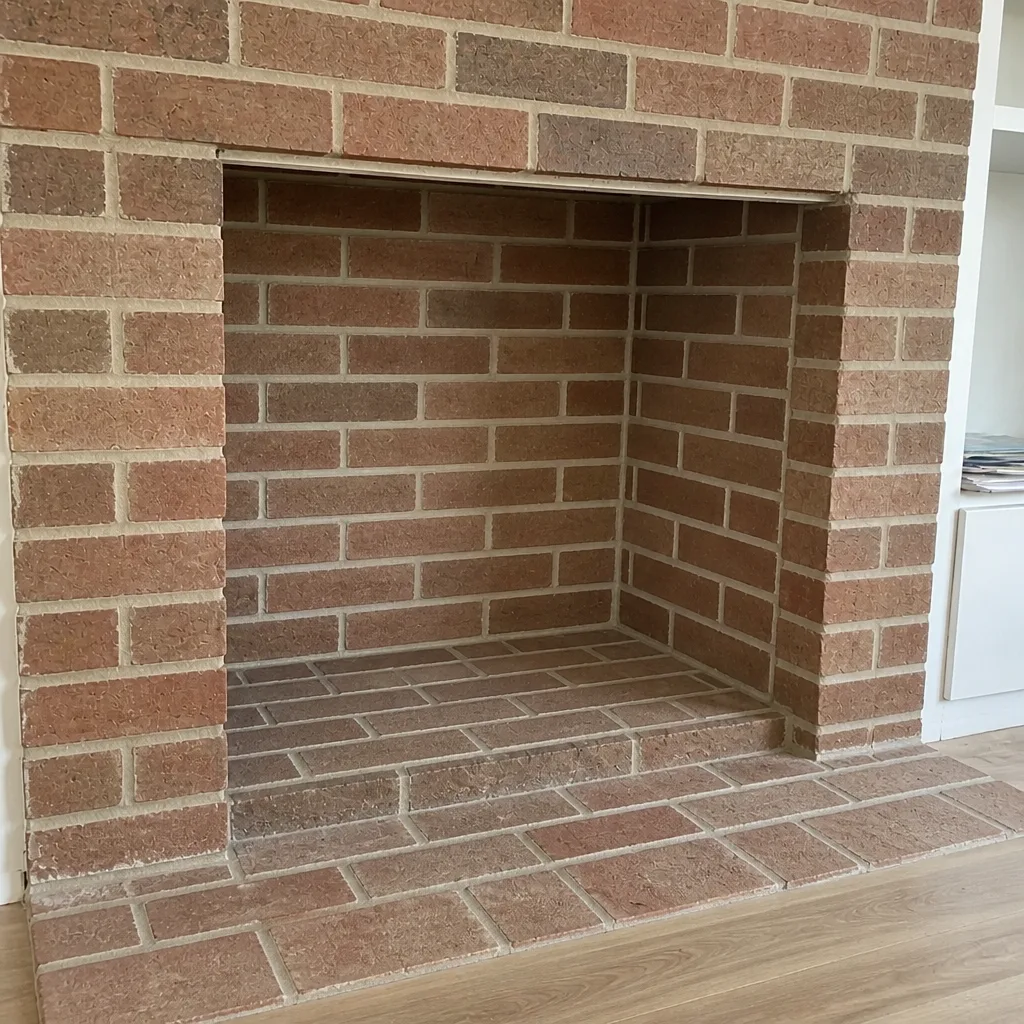
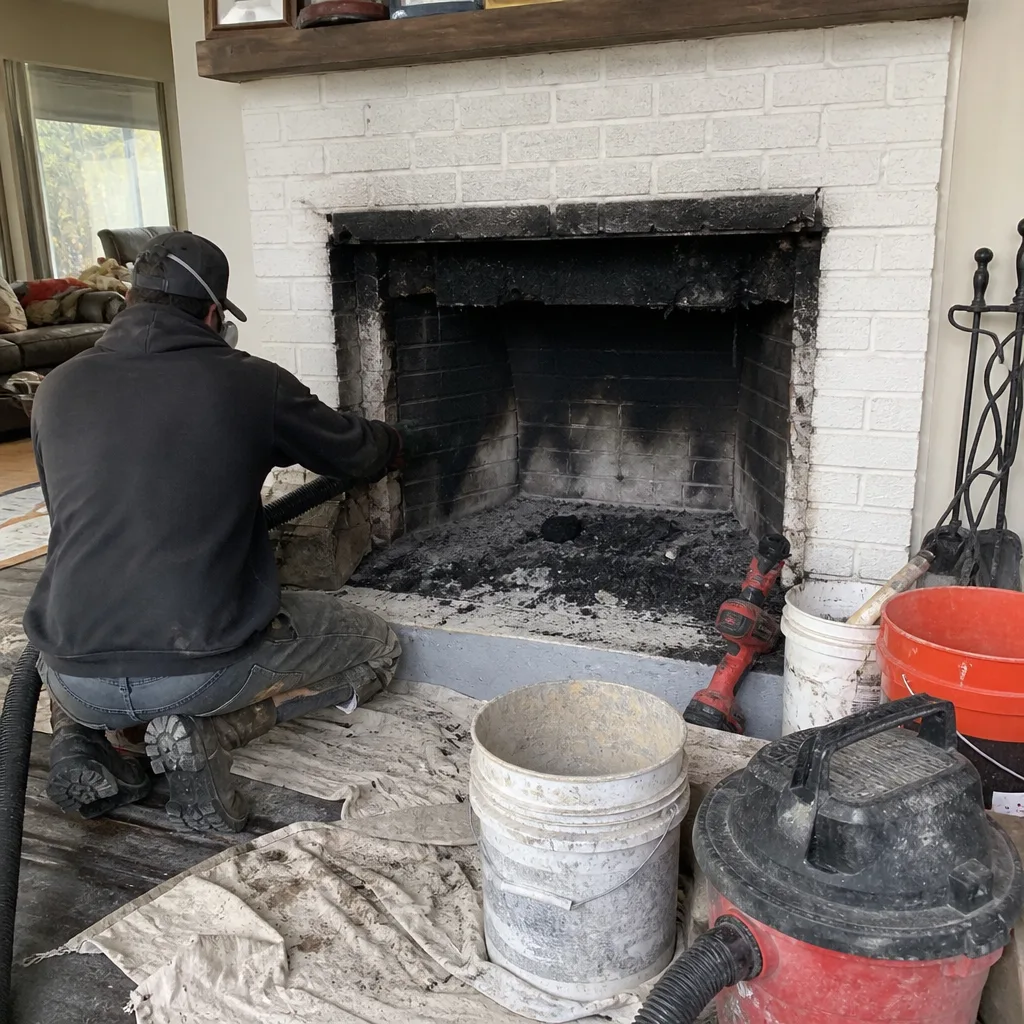
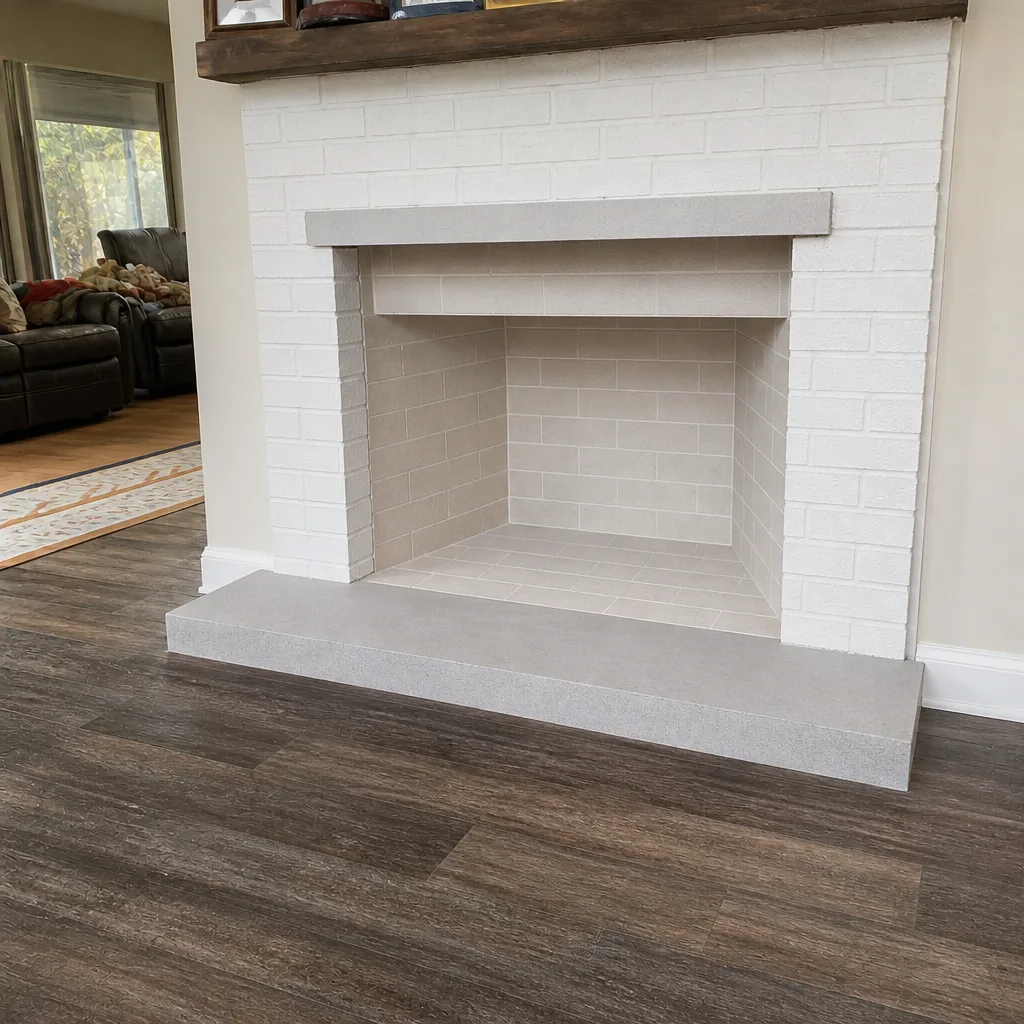
See the difference
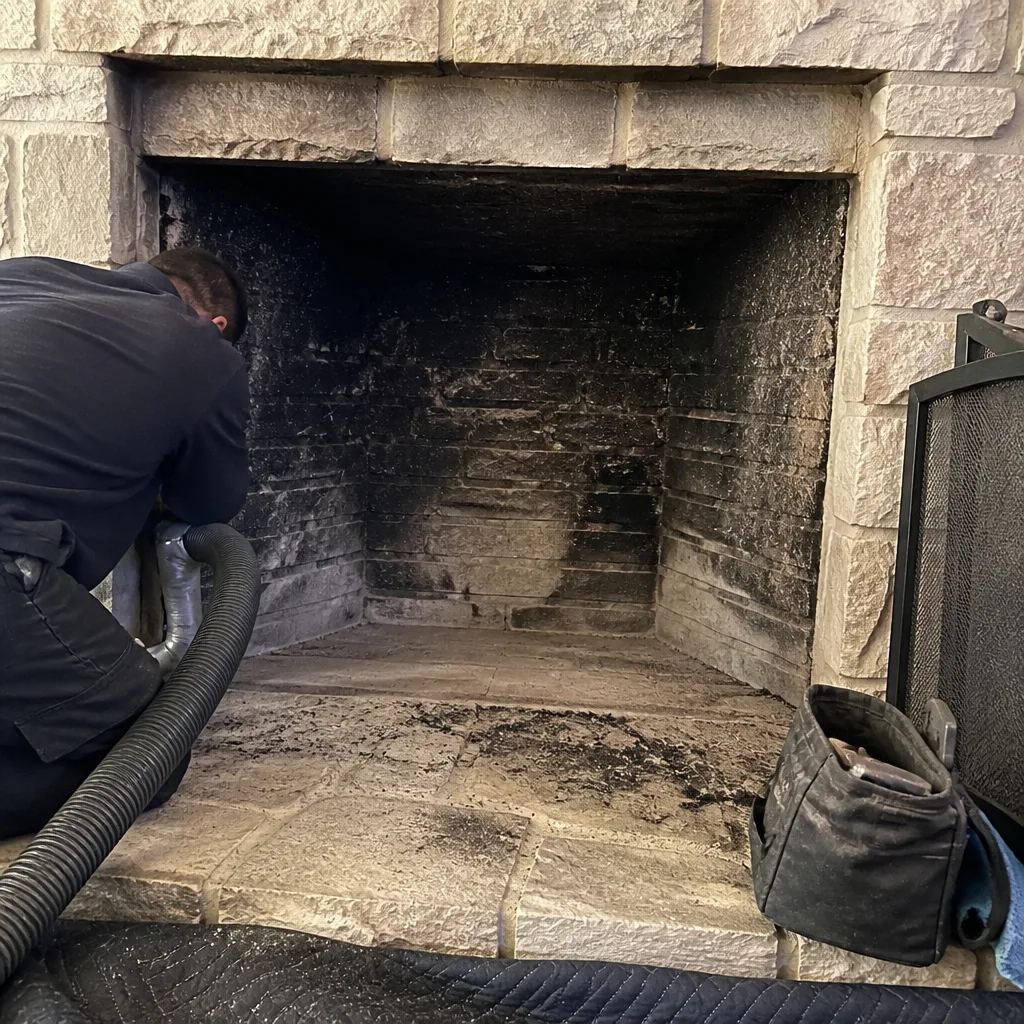 Before
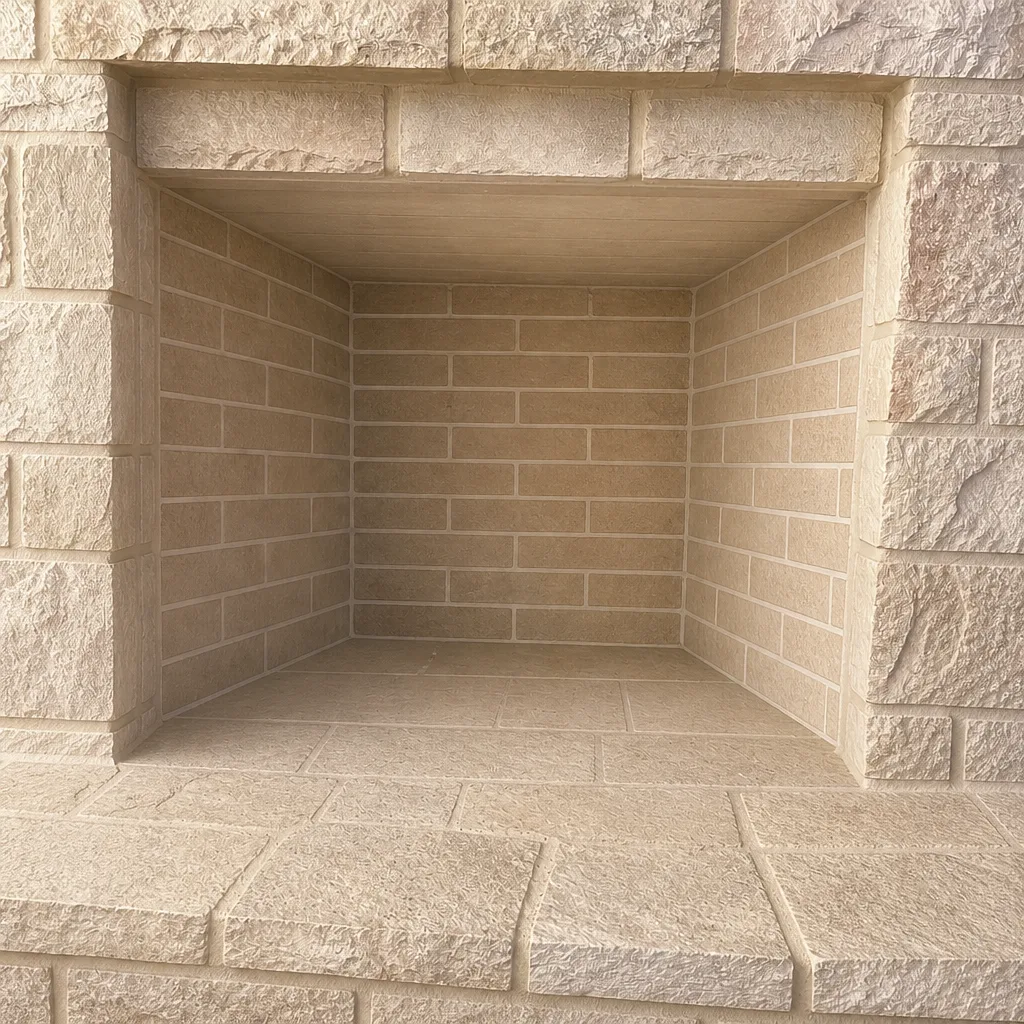 After
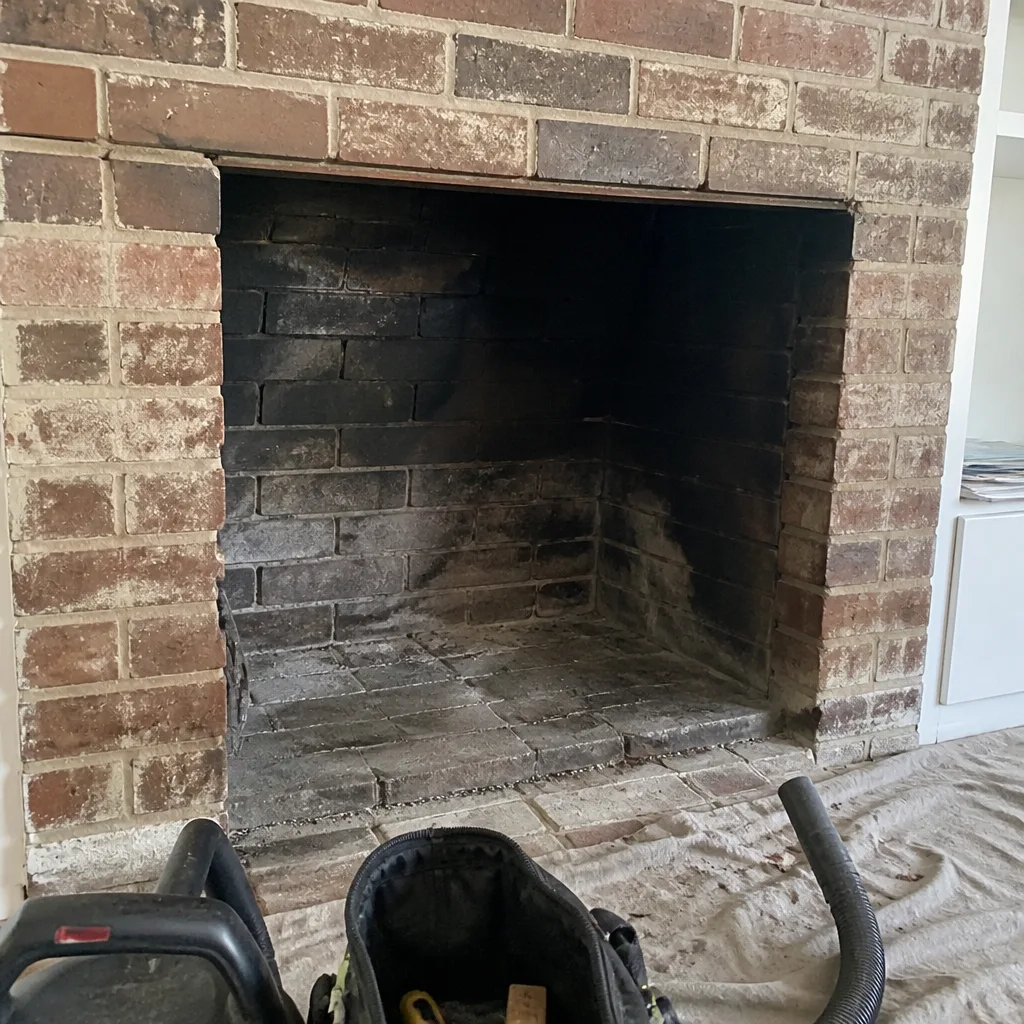 Before
 After
 Before
 After
When to Call a Professional
Call a professional if any of these apply: your chimney has never been inspected and the home is over forty years old; you’re preparing to sell and need a Level II report for the buyer; your chimney has had a fire, even a small one; a contractor relined the flue without a permit and you need to close it out; or your insurer has asked for documentation before renewal. Also call if you’re seeing cracked tiles, rusted damper parts, or water staining around the chimney chase. These point to a structural issue that cleaning alone won’t fix. Linden Chimney Cleaning offers free estimates in Oklahoma City. Call (866) 334-8781. We answer 24/7. Fast dispatch from 7am to 7pm, Sunday through Friday.
Frequently Asked Questions
No, routine chimney cleaning doesn’t require a permit in Oklahoma City because it’s maintenance, not construction. A permit typically kicks in only when the work changes the chimney’s structure, such as relining a flue or rebuilding a crown. Call (866) 334-8781 for an exact quote on your specific scope.
A Level II inspection is required when the chimney system has changed condition: during a real estate transaction, after any chimney fire, and after a modification like relining or a change in appliance. It includes a video scan of the flue interior, which is what NFPA 211 requires for documenting condition. Call (866) 334-8781 to schedule one.
A standard chimney sweep in Oklahoma City is priced per job based on your chimney’s configuration and condition, and the written estimate sets the final price before work begins. There’s no separate diagnostic fee, and the estimate is free. Call (866) 334-8781 for an exact quote.
Only if the flue’s interior damage is visible on camera. We don’t recommend a liner without a scan that shows cracked tiles, separated joints, or a flue that’s too small for the appliance. Ask to see the footage before you agree to anything.
The buyer’s inspector can flag it, and correcting the work becomes your responsibility as the seller, even if you didn’t have it done. The fix usually involves pulling a retroactive permit and passing inspection. A Level II report helps establish current condition before listing.
Contact the Oklahoma City Development Services Department and ask for the permit history on your address. They can confirm whether a permit was issued, what scope it covered, and whether it was closed. That’s the only reliable way to know.
The Bottom Line
Chimney cleaning in Oklahoma City is maintenance, and it doesn’t require a permit. Chimney repair is construction, and it does. NFPA 211 sets the standard for what a safe chimney looks like and what an inspection must document. A Level II inspection is required at real estate transactions, after chimney fires, and after system modifications, and it’s the report that protects you with your insurer and your buyer. If a repair is happening, confirm the permit was pulled and closed. If a repair happened years ago and you can’t confirm it, a current inspection report is your best documentation. Cleaning, inspection, and repair all belong under one provider, which is how we handle every job at Linden Chimney Cleaning.
If you’d like a clear picture of your own chimney’s condition in Oklahoma City, call us at (866) 334-8781 for a free estimate. We answer 24/7. Fast dispatch from 7am to 7pm, Sunday through Friday. Our technicians have up to 8 years of experience, and they’ll walk you through what they found with photo evidence you can see for yourself.
Written by the team at Linden Chimney Cleaning.