
Last updated November 16, 2026
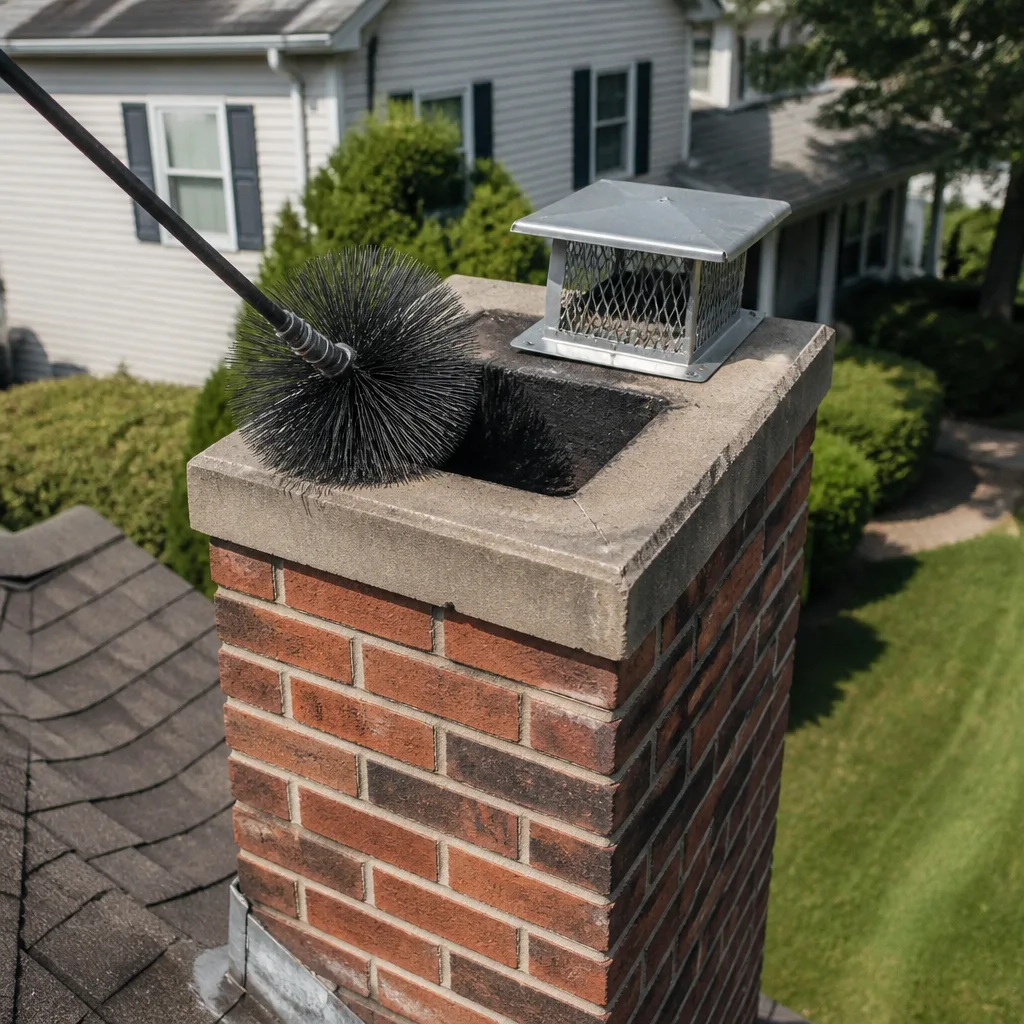 Sweep & inspection
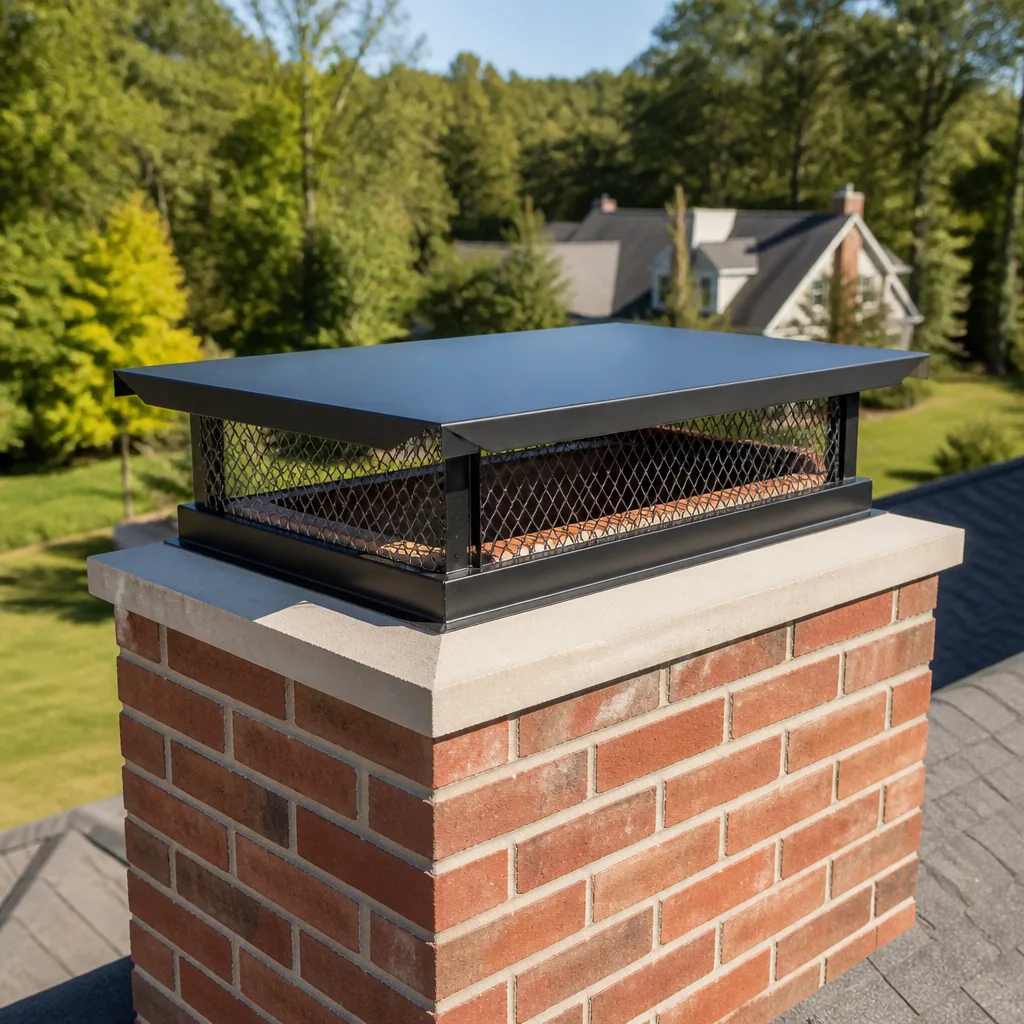 Caps & crowns
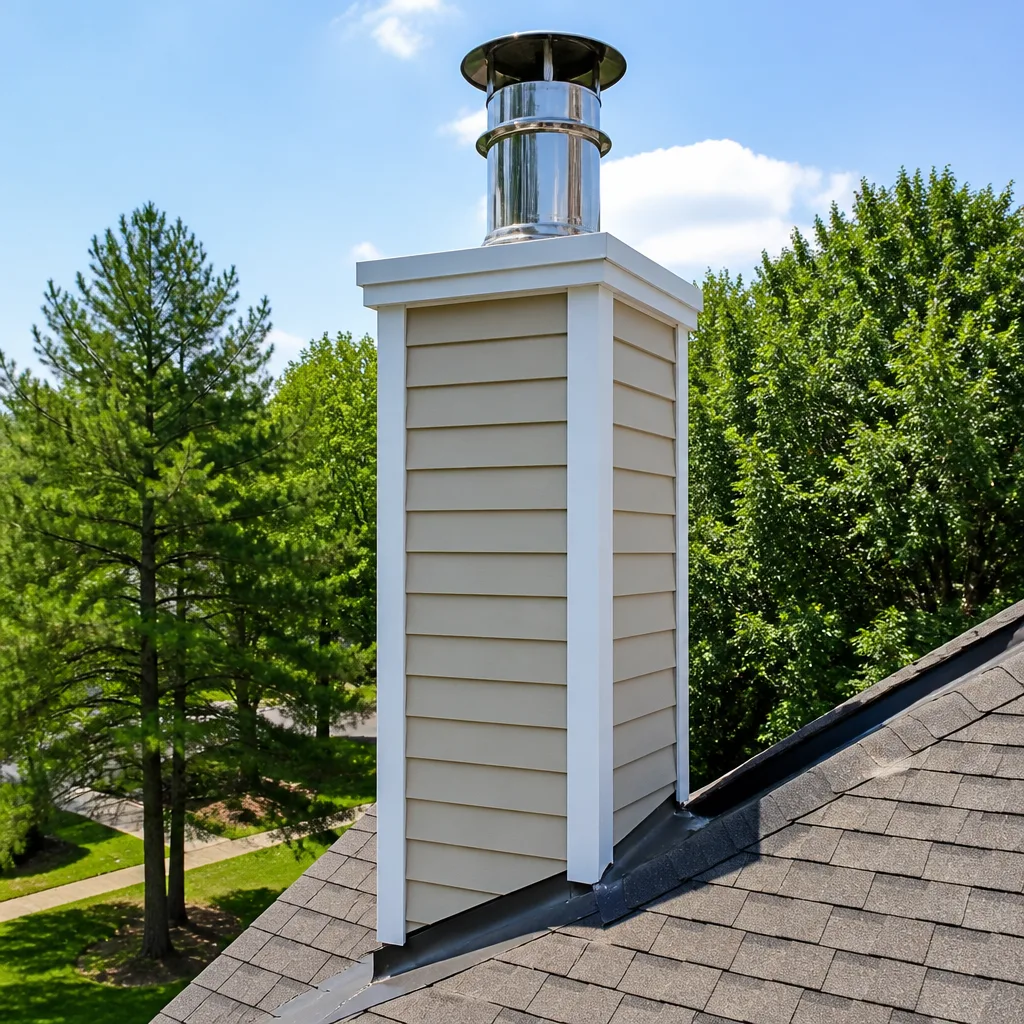 Flue relining
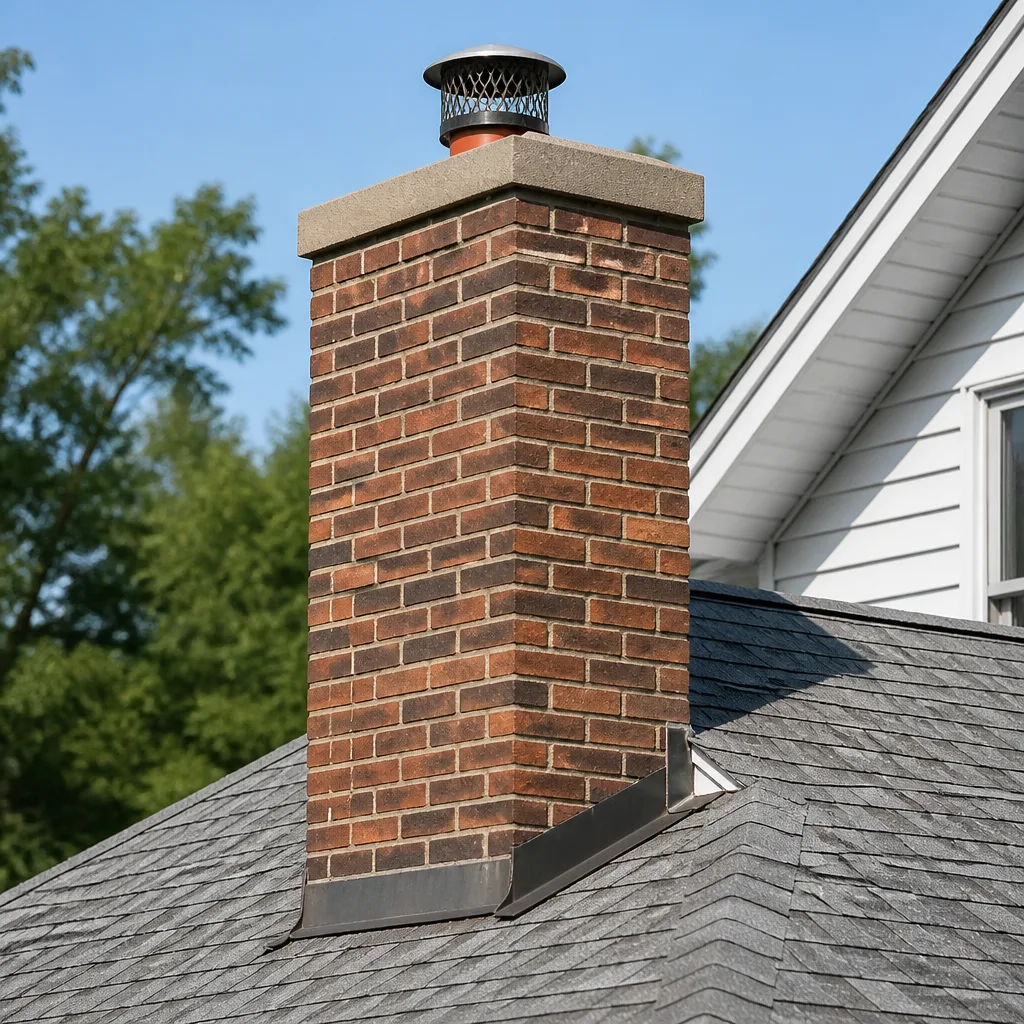 Masonry repair
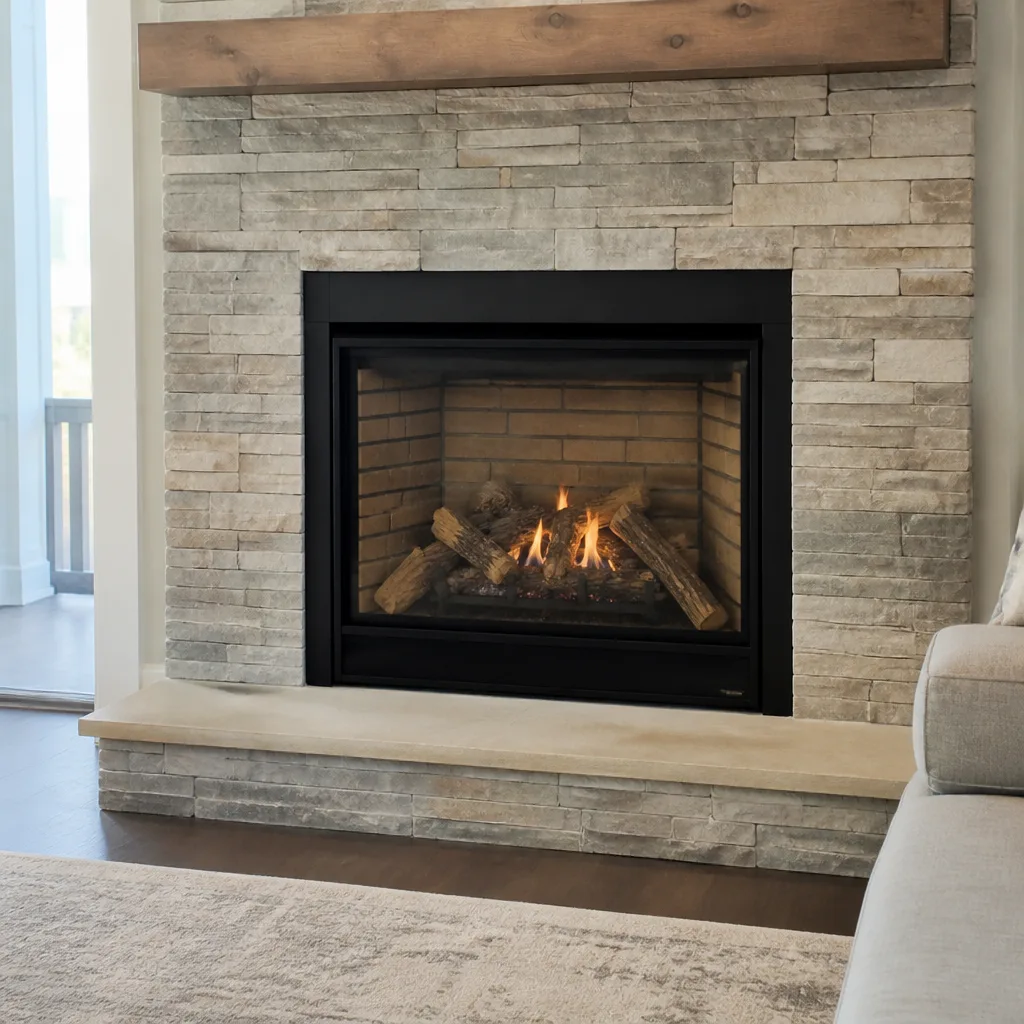 Gas fireplace service
Level 1 sweep and inspection to the NFPA 211 annual standard - flue, crown, cap, and flashing checked and photographed
Chimney sweep logs do not sweep chimneys. They loosen some creosote - which then falls where a brush and vacuum still have to collect it.
Chimney Sweep Maintenance Schedule: What to Do and When
“Sweep it every year” is the most repeated piece of chimney advice in the country, and it’s both correct and misleading. It’s correct on average. It’s wrong for most individual households. A family burning three cords of seasoned oak in a fireplace insert needs service on a completely different timeline than a household that lights ten fires a season in an open masonry fireplace and calls it a winter. Fuel type, burn frequency, appliance design, and Oklahoma City’s pattern of wet springs followed by baking summers all change how fast a flue loads up with creosote and how fast mortar starts to fail. What follows is a decision-based schedule: how to read your own habits, what to inspect and when, and how to keep a record a technician can actually use.
Quick Answer
Most Oklahoma City households should schedule one professional sweep and inspection per year, timed in late summer or early fall before burning season. Households burning more than two cords of wood per season, or using a wood stove or insert heavily, should plan on two sweeps per year. Add a second inspection after any significant ice storm, because freeze-thaw cycles are what crack mortar crowns and loosened flue tiles around Oklahoma City. Gas appliances still need annual servicing even though they produce no creosote.
Styles & brands we work with
- Sweep & inspection
- Caps & crowns
- Flue relining
- Masonry repair
- Gas fireplace service
Table of Contents
- How Often Do You Actually Need a Chimney Sweep?
- The Two Inspection Windows That Matter in Oklahoma City
- Gas Fireplaces: Why “It’s Gas, So It’s Clean” Is a Dangerous Assumption
- The Cap and Crown Check That Should Come With Every Sweep
- What Oklahoma Hail Season Does to a Chimney
- Building a Burn Log Your Technician Can Use
- A Full Seasonal Checklist, Start to Finish
- Sweep Frequency by Appliance Type
How Often Do You Actually Need a Chimney Sweep?
The honest answer depends on a number you probably already know: how many cords of wood you burn in a season. Creosote is a byproduct of incomplete combustion, and it accumulates in proportion to how much fuel goes up the flue. A household that burns a cord a year and a household that burns four cords a year do not need the same schedule, and pretending they do wastes money on one end and risks a chimney fire on the other.
Here’s how we think about it, based on what we see across Oklahoma City:
- Under one cord per season, open masonry fireplace: One sweep and inspection per year is usually enough. Light use still builds a glaze over time, and the annual inspection catches it before it becomes a problem.
- One to two cords, open fireplace: One sweep per year, no exceptions. At this volume, creosote deposits thicken noticeably between seasons.
- Two to three cords, fireplace insert or wood stove: Two sweeps per year. Inserts and stoves burn hotter and more efficiently than open fireplaces, but they also run longer and concentrate flue gases. The flue in a stove or insert is narrower, so the same volume of creosote builds up faster.
- Three or more cords, any appliance: Two sweeps per year minimum, and a mid-season visual check if you’re burning daily through January and February.
- Gas appliance only, no wood: No creosote, but still one annual service visit. See the gas section below.
These are starting points, not laws. The condition of your wood matters as much as the volume. Seasoned hardwood burned hot produces far less creosote than green or punky wood burned slow. If you’re not sure how much you burn, keep a rough count of how many face cords you buy and finish each winter. That single number tells a technician more about your chimney than almost anything else you can tell them.
The Two Inspection Windows That Matter in Oklahoma City
Most chimney advice assumes a single annual visit and a single season. Oklahoma City doesn’t work that way. Our weather splits the year into two distinct risk periods for a chimney, and each one calls for an inspection looking at different things.
Post-Ice-Storm Inspection: February and March
Oklahoma City gets freezing rain and ice events that coat the chimney’s exterior and soak the masonry. Water gets into mortar joints and hairline cracks, freezes overnight, expands, and opens the joint a little wider. Repeat that cycle a few times across a winter and you get spalled brick, cracked crowns, and loosened flue tile joints. February and March are when we look hardest at:
- The crown, which is the concrete cap at the top of the chimney. Freeze-thaw is the leading cause of crown cracks, and a cracked crown channels water straight down into the flue.
- The mortar joints on the exterior stack, especially on the north and west faces where ice lingers longest.
- The flue tile joints inside, which can loosen as the masonry above them shifts.
- Flashing where the chimney meets the roof, which ice and wind work loose over a winter.
If you had a significant ice event, this inspection is worth doing even if you swept in the fall. The problems it catches are structural, not combustion-related, and they get more expensive every freeze.
Pre-Heating-Season Inspection: September and October
The fall window is the classic sweep-and-inspect visit, and it’s the right time for it. Before you light the first fire of the season, you want to know three things: how much creosote accumulated last winter, whether anything changed structurally over the summer, and whether the cap and screen are intact. Fall is also when our technicians look at the firebox, damper, and smoke shelf, and when we check that nothing has nested in the flue during the warm months.
If you can only do one inspection a year in Oklahoma City, make it the fall one. If you can do two, the post-ice-storm visit in February or March is the second.
Gas Fireplaces: Why “It’s Gas, So It’s Clean” Is a Dangerous Assumption
This is one of the most common assumptions we run into, and it’s worth correcting plainly. A gas fireplace doesn’t produce creosote, so it doesn’t need sweeping the way a wood-burning chimney does. But “no creosote” is not the same as “no maintenance.” Annual service on a gas appliance checks things that nobody can see from the living room, and several of them matter for safety.
Here’s what a proper annual gas fireplace service actually covers:
- Cleaning the burners and the pilot assembly, because dust and debris cause incomplete combustion and yellow flame where you want blue.
- Checking the venting or flue for blockages, including bird nests and debris that collected over the off-season.
- Inspecting the firebox and glass for cracks or seal failure.
- Testing the safety shutoff and checking the gas connections for leaks.
- Checking the termination cap outside, which is the only thing keeping rain and animals out of a gas vent.
Carbon monoxide is the reason this matters. A gas appliance vents combustion byproducts that you can’t see or smell, and a blocked or deteriorating vent puts them back into the house. An annual service visit is a check on that system, not a formality. We treat gas appliance inspection with the same seriousness as wood-burning work. If something isn’t venting correctly, we find it, and we tell you plainly what has to change before you use the fireplace again.
The Cap and Crown Check That Should Come With Every Sweep
Most sweeps stop at the flue. The brush goes down, the soot comes out, and the visit ends. The problem is that the components doing the most to protect your chimney are at the very top, and they’re the ones most likely to be skipped.
Two components deserve a look every single time:
- The chimney cap. A cap with a screen keeps rain, birds, squirrels, and debris out of the flue. When a cap rusts through or blows off in an Oklahoma wind, the flue becomes a rain barrel and a wildlife entrance. We source caps and covers from Gelco, Famco, and Copperfield because they hold up better to Oklahoma weather than the cheap stamped steel you’ll find at a big-box store.
- The crown. The concrete slab at the top of a masonry chimney sheds water away from the flue. When it cracks, water gets in, freezes, and widens the crack. A crown in good condition protects the whole chimney. A crown in bad condition is the root cause of most masonry damage we diagnose, and replacing or resurfacing it is far less expensive than repairing the flue damage it causes if ignored.
Our view is simple: a sweep is an inspection too. If we’re on the roof cleaning the flue, checking the cap and crown adds a few minutes and tells you something about the chimney’s condition that a brush alone never will. Professional-grade caps and covers from the supply brands local technicians use last longer and fit better than generic hardware, and replacing a failed cap before the next rain season is one of the cheapest kinds of prevention there is.
What Oklahoma Hail Season Does to a Chimney
Oklahoma City sits in one of the most hail-prone stretches of the country, and a masonry chimney is one of the most exposed structures on a house. Hail the size of a marble or larger does measurable damage to the parts of a chimney that keep water out, and the damage isn’t always visible from the ground.
What we look for after a hailstorm:
- Chips and spalls on brick faces, which expose the softer interior of the brick to water.
- Cracks in the concrete crown, especially on older crowns that were already weathered.
- Dents and punctures in metal chimney caps, which let water in through a path that looks intact from below.
- Damaged shingles and flashing around the chimney base, which create leak paths into the attic.
If a storm brought hail big enough to damage your roof, it’s worth having the chimney looked at in the same pass. Metal caps take the hit first, and a dented cap doesn’t protect the flue the way an intact one does. Scheduling the post-hail look as part of your spring inspection window keeps it simple.
Building a Burn Log Your Technician Can Use
Most homeowners don’t keep any record of their fireplace at all, which means every inspection starts from a snapshot instead of a trend. A technician who knows that last year’s flue had a thin deposit and this year’s is noticeably thicker can tell you something important: either you changed your wood, or your burn habits changed, or your draft is failing. A technician seeing that condition for the first time can only guess.
A burn log doesn’t have to be complicated. A single page or a note on your phone is enough:
- How many face cords or cords of wood you bought and finished this season.
- Whether the wood was seasoned or green, and how long it aged before you burned it.
- Roughly how many fires you had, or just “light” / “regular” / “daily” through the coldest stretch.
- Any changes you noticed: smoky start-ups, a damper that doesn’t open smoothly, smell in the room when the fire isn’t lit, smoke backing into the room.
- Any storm events (ice, hail) during the year that hit the roof.
- The date, findings, and technician notes from your last sweep and inspection.
Bring that page to your next sweep. It turns an inspection into a conversation about your specific chimney, and it lets the technician flag a trend before it becomes a repair. We work the whole system when we’re on site, which includes reading those notes and adjusting what we look at accordingly.
A Full Seasonal Checklist, Start to Finish
Here is the schedule we recommend for a typical Oklahoma City homeowner using a wood-burning fireplace or insert. Adjust by season based on your burn volume and any storm damage from the year.
- Late spring (May): After the last fire, note anything unusual in your log. Close the damper fully and check for any lingering smell in the house, which can indicate a draft or moisture issue.
- Late summer (August – September): Call to book your sweep and inspection. Doing this early means your chimney is ready before the first cold snap. This is the priority visit of the year.
- Early fall (September – October): Sweep and full inspection. Get the written account of what was found, along with the camera inspection results and photo report.
- Mid-fall (October): Verify the cap and crown are intact and the screen is in place. If repair is needed, do it before burning season, not during.
- Burning season (November – February): Follow the usage-based sweep frequency above. If you’re burning heavily, book a mid-season visual check.
- Post-ice-storm (February – March): If a significant ice or hail event occurred, schedule a structural inspection for crown, mortar, and flashing.
- Spring (April – May): Address any non-urgent repairs found during the winter inspection. Spring is the right time for masonry work that doesn’t need to be finished before a cold snap.
The rhythm is simple: heavy cleaning before the heating season, structural check after the winter weather, repairs done in the shoulder months. When you map your own burn volume and Oklahoma City’s weather pattern onto that, the schedule largely builds itself.
Sweep Frequency by Appliance Type
Appliance design changes the calculus as much as burn volume does. Baffles, secondary combustion chambers, and narrower flues all shift where creosote collects and how quickly. Here’s how the major types usually line up:
- Open masonry fireplace, light use (under one cord): One sweep per year.
- Open masonry fireplace, regular use (one to two cords): One sweep per year, non-negotiable; some homes benefit from a mid-season check.
- Fireplace insert: Two sweeps per year. The narrower flue loads up faster, and the insert runs hot and long.
- Freestanding wood stove: Two sweeps per year. Same reasoning as inserts, with an internal baffle and flue collar that also need inspecting.
- Gas appliance: No creosote, but one annual service and inspection.
Whatever the appliance, the inspection matters as much as the sweep. A sweep removes what’s in the flue. An inspection tells you what’s happening to the flue itself: whether the liner is sound, whether the firebox has cracks, and whether the cap and crown are doing their jobs. We treat those as one visit because they answer the same question, which is whether your chimney is safe to burn in. When structural repair is needed, we handle it as part of the same relationship, whether that means resurfacing a ceramic flue with HeatShield or installing a full DuraFlex liner system to correct an undersized or damaged flue.
A clean flue and a written account of what we found: that’s what you should get from every visit, and it’s what makes the schedule above worth following. Three services, sweep, inspection, and repair, from one company that works chimneys and nothing else, means you don’t have to translate findings between contractors.
Common Mistakes to Avoid
- Treating “once a year” as the rule for every house. A household burning four cords in a stove and a household lighting ten fires in an open fireplace are not in the same category. Usage drives the schedule.
- Skipping the inspection after ice or hail. The freeze-thaw cycle around Oklahoma City is what cracks crowns and loosens mortar, and the damage is almost always hidden from the ground.
- Assuming a gas fireplace is maintenance-free. It has no creosote, but it still has venting, burners, gas connections, and a termination cap that all need checking every year.
- Burning green or unseasoned wood. It smolders, produces far more creosote, and it’s the single most common reason a chimney loads up faster than its owner expected.
- Letting a cracked crown or missing cap go unaddressed. Water intrusion from a failed crown is the upstream cause of most masonry repair we diagnose around Oklahoma City, and it gets more expensive the longer it runs.
- Trusting a sweep who never gets on the roof. A flue cleaned from the bottom without checking the cap, crown, and flashing leaves the parts doing the most protective work uninspected.
- Keeping no record between visits. Without a burn log, every inspection is a snapshot. With one, your technician can spot a trend before it becomes a repair bill.
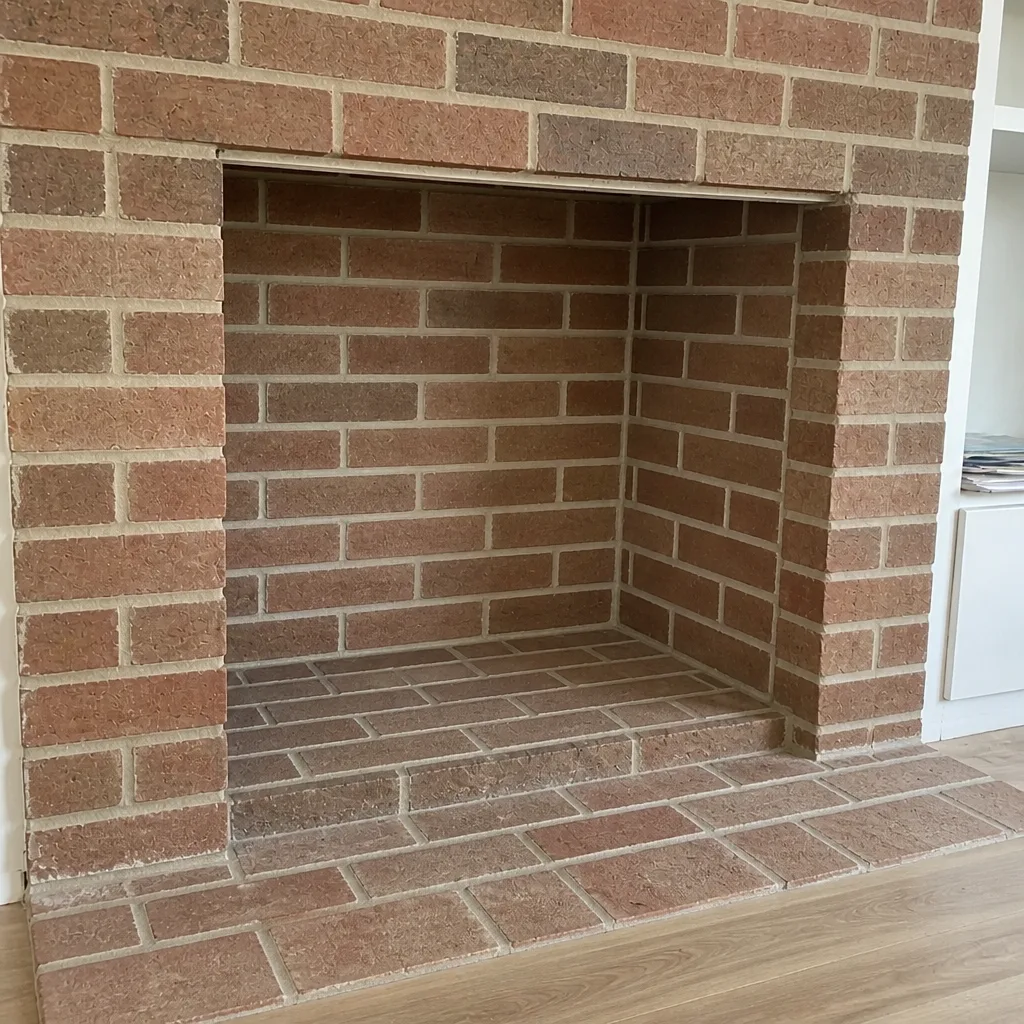
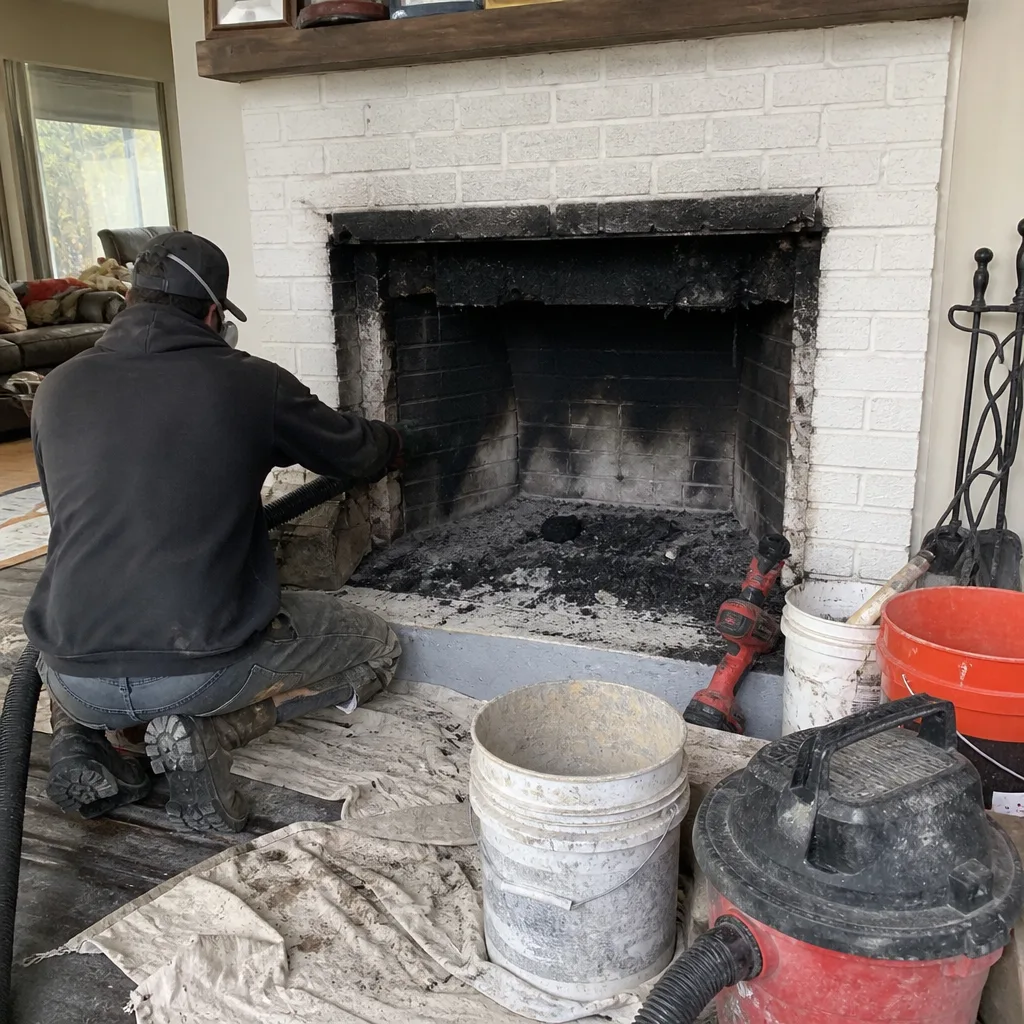
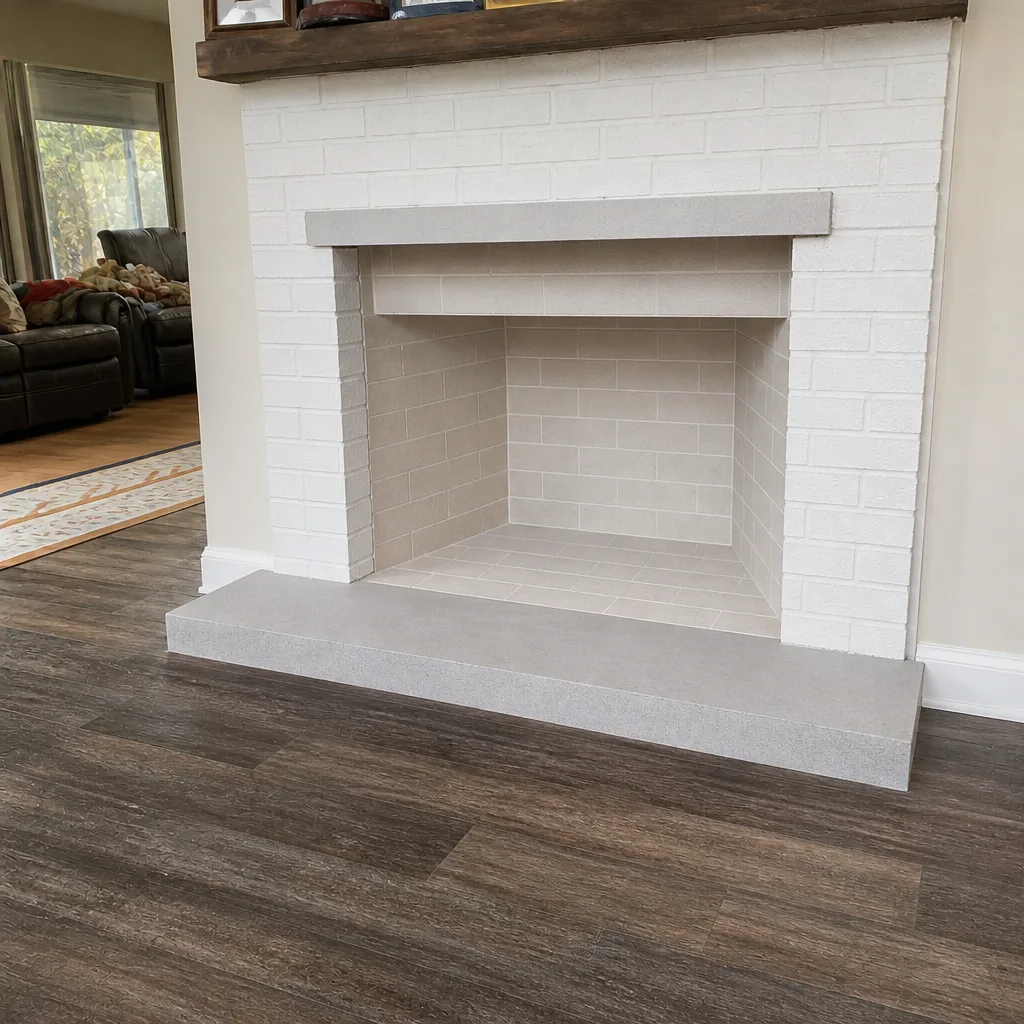
See the difference
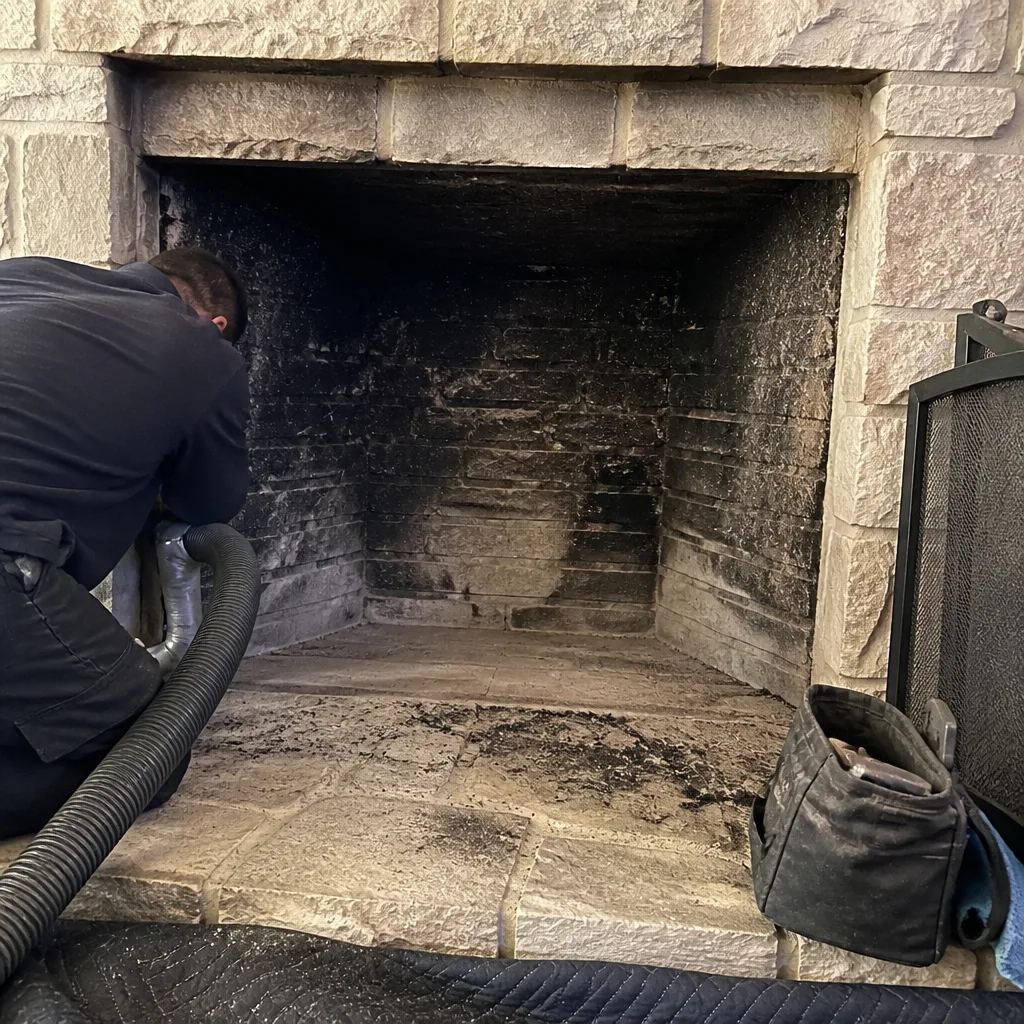 Before
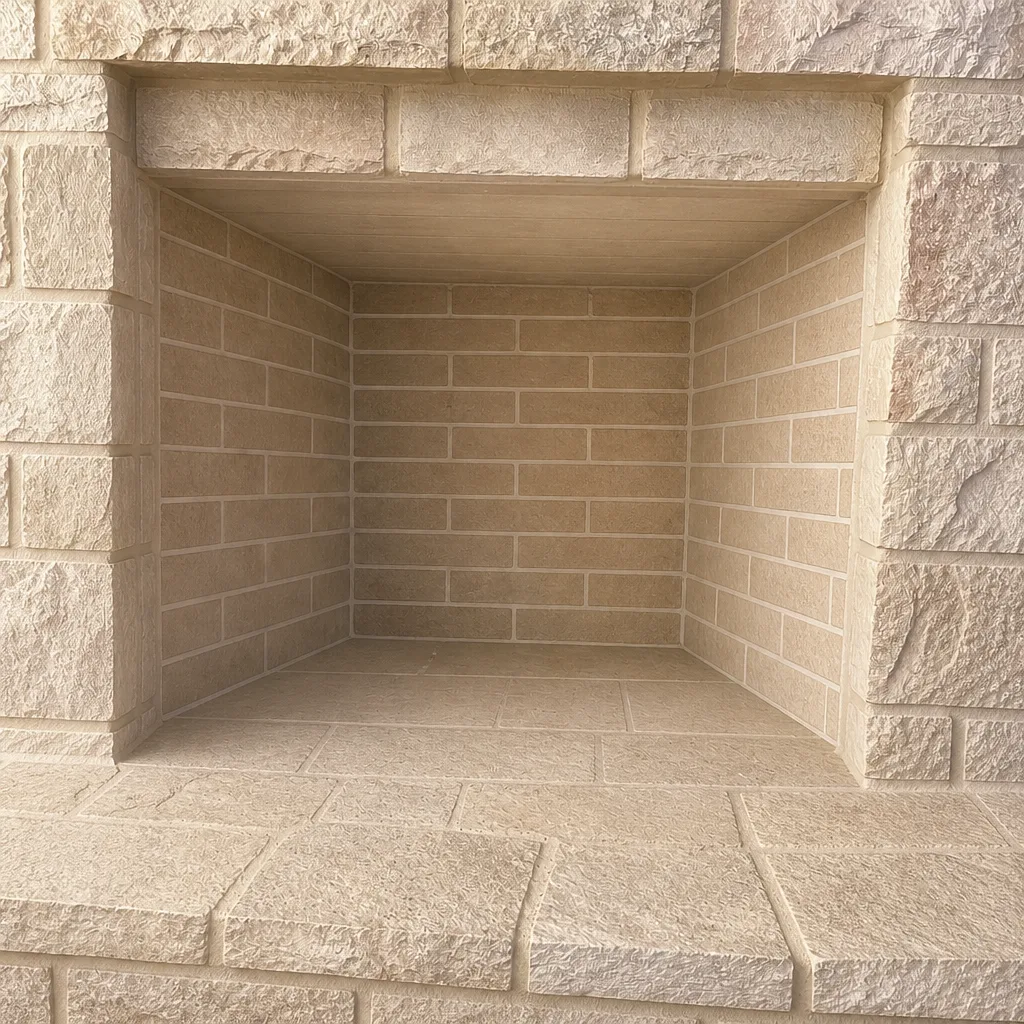 After
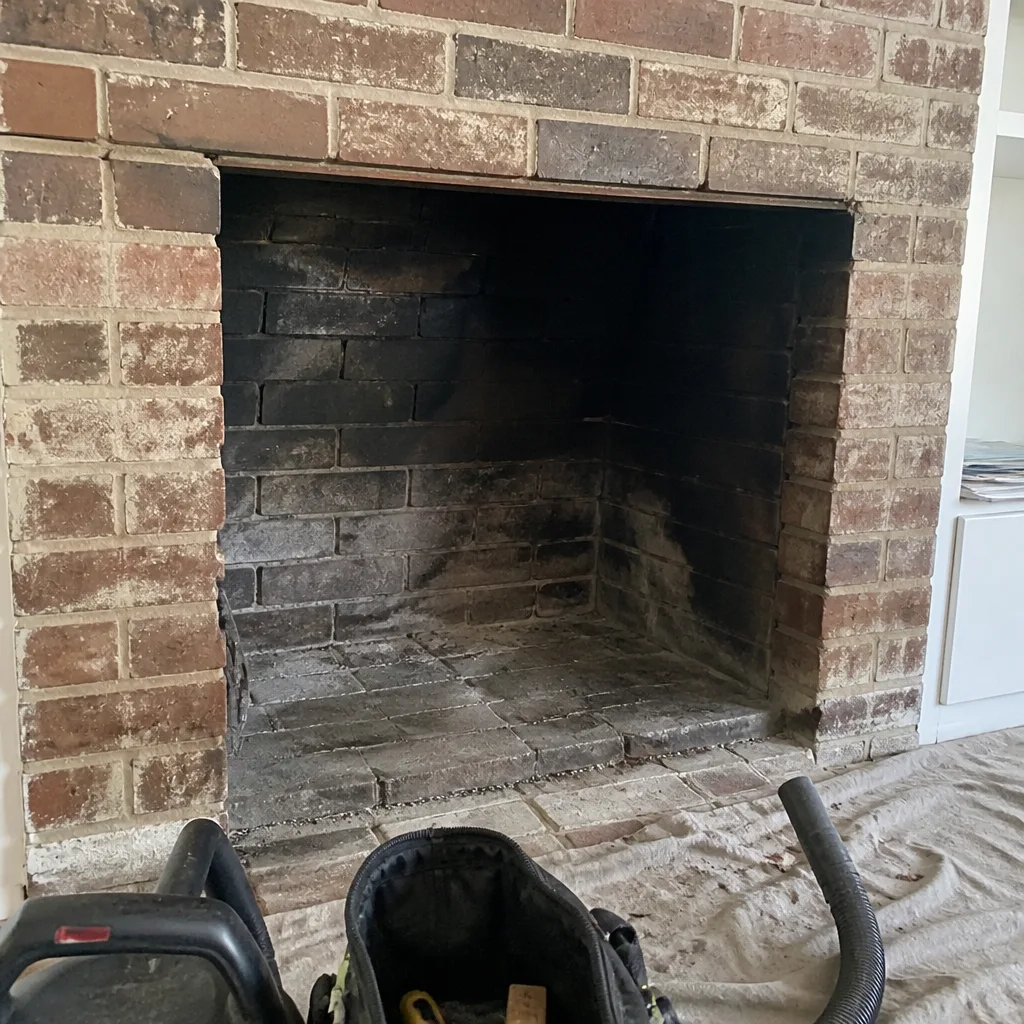 Before
 After
 Before
 After
When to Call a Professional
Schedule a professional sweep and inspection when you’ve closed the books on a burn season and want to know what it produced, when you’ve moved into a home with a fireplace whose history you don’t know, or when you’ve just taken delivery of next season’s wood and want the chimney ready before it goes in the grate. Call sooner if you notice a strong creosote smell in the house on warm days, smoke rolling back into the room, a damper that won’t open cleanly, visible cracking on the exterior masonry, or damage to the cap after a storm. Any of those is a reason to get eyes on the full system, not wait for the annual visit.
Our technicians have up to 8 years of experience, and every job we take on is a chimney job. If you’re in Oklahoma City and want a documented answer about your chimney before burning season starts, Linden Chimney Cleaning offers free estimates, and we’ll tell you plainly when work can safely wait. To book a chimney sweep, call (866) 334-8781. We answer 24/7. Fast dispatch from 7am to 7pm, Sunday through Friday. If you already know repair is coming, we also handle chimney repair, so the inspection and the fix stay with one company.
Frequently Asked Questions
Once per year is the right baseline for most Oklahoma City homes, timed in late summer or early fall before burning season. If you burn two or more cords of wood per season, or use a fireplace insert or wood stove regularly, plan on two sweeps per year. The single best guide is your own burn volume, not a blanket rule.
Yes, if the storm was significant. Freeze-thaw cycles are the leading cause of cracked chimney crowns and loosened mortar joints in Oklahoma City, and the damage is invisible from the ground. A February or March inspection catches it while the repair is still small. Call (866) 334-8781 to schedule.
Yes. Gas appliances produce no creosote, but they do have venting, burners, gas connections, safety shutoffs, and a termination cap that all need checking every year. A blocked or damaged vent can put carbon monoxide back into the house, which is why annual service isn’t optional.
A professional sweep cleans the flue, then inspects the full system: flue lining, firebox, damper, smoke shelf, cap, crown, and flashing. You should leave with a written account of what was found, along with camera inspection and a photo report you can look at yourself. If we recommend liner or masonry work, we show you the camera evidence behind it and tell you plainly when work can safely wait.
The only honest answer is that it’s based on evidence, not a visual guess. A camera inspection shows the actual condition of the flue lining, tile joints, and any gaps or deterioration. We won’t recommend relining without showing you what the camera found. When relining is needed, we work with DuraFlex flexible liner systems to correct the flue rather than patch around it.
Skipping one year is not automatically a disaster, but it depends on your burn volume and what the previous inspection found. A household burning three cords could accumulate significant creosote in one season, which raises chimney fire risk. The safest approach is to know your burn volume and keep the schedule matched to it. Call (866) 334-8781 for a free estimate if you’re not sure where you stand.
The Bottom Line
The right chimney maintenance schedule is a decision, not a calendar. Match sweep frequency to your actual burn volume and appliance type. Use Oklahoma City’s two key inspection windows: the post-ice-storm look in February or March for structural damage, and the fall sweep and inspection in September or October before burning season. Don’t skip gas appliance service just because there’s no creosote. Check the cap and crown on every visit, keep a burn log so a technician can read trends instead of snapshots, and get any recommended liner or masonry work backed by camera evidence you can see for yourself. That’s the schedule that keeps a fireplace safe and usable through the winter. Written by the team at Linden Chimney Cleaning.