
Last updated November 16, 2026
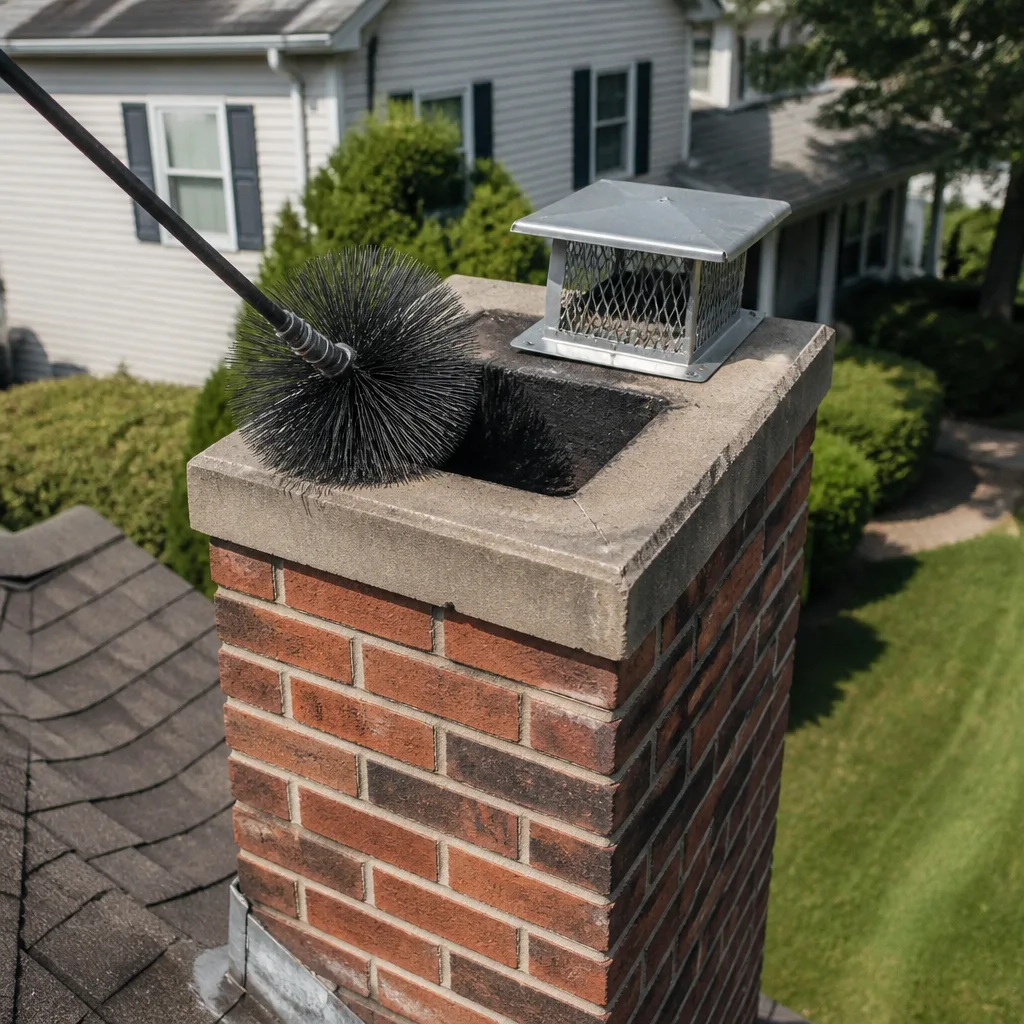 Sweep & inspection
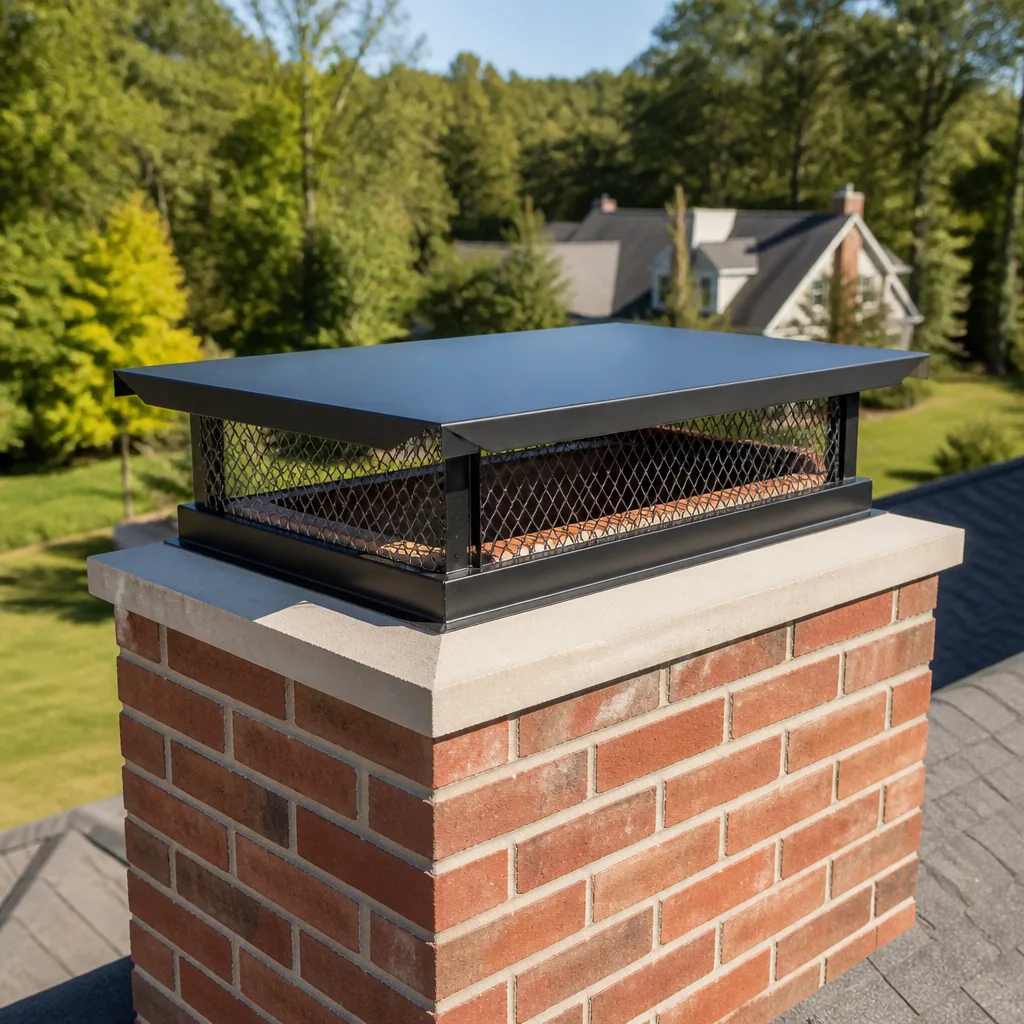 Caps & crowns
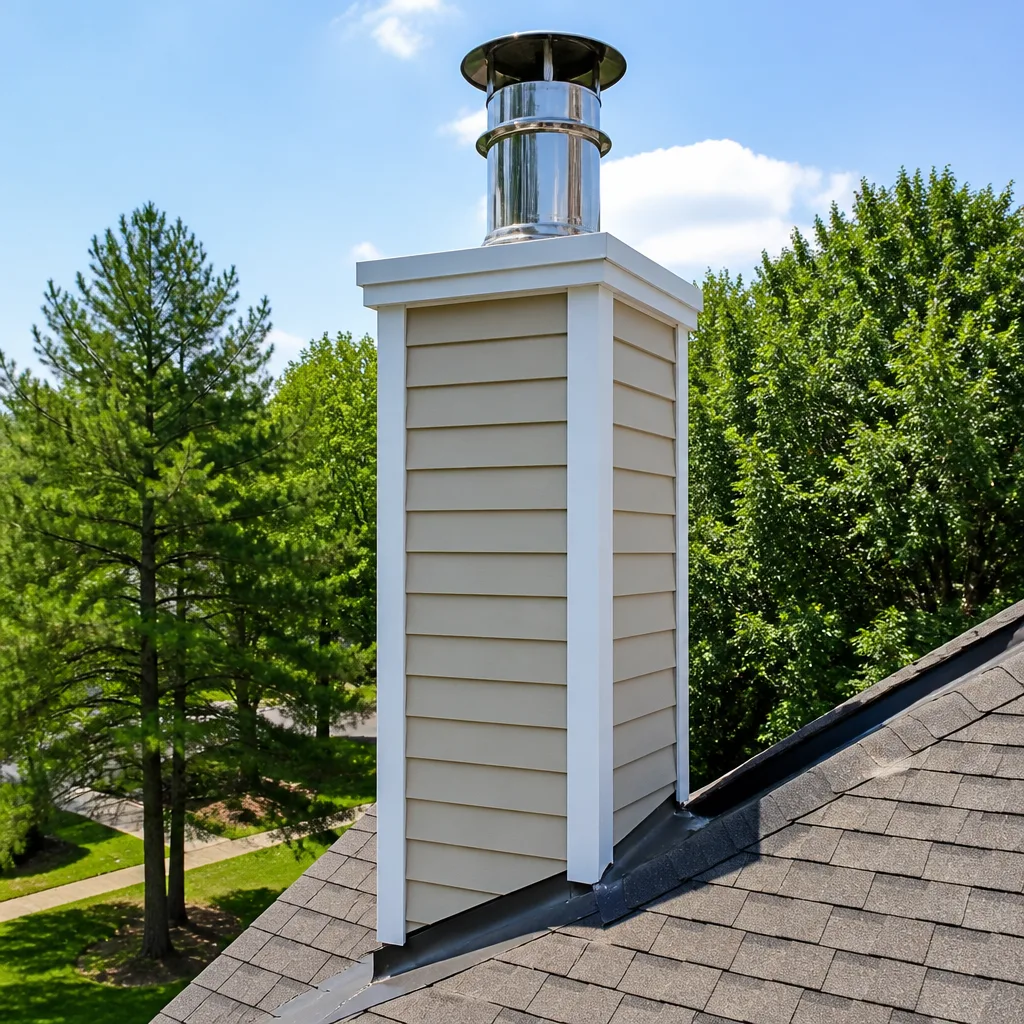 Flue relining
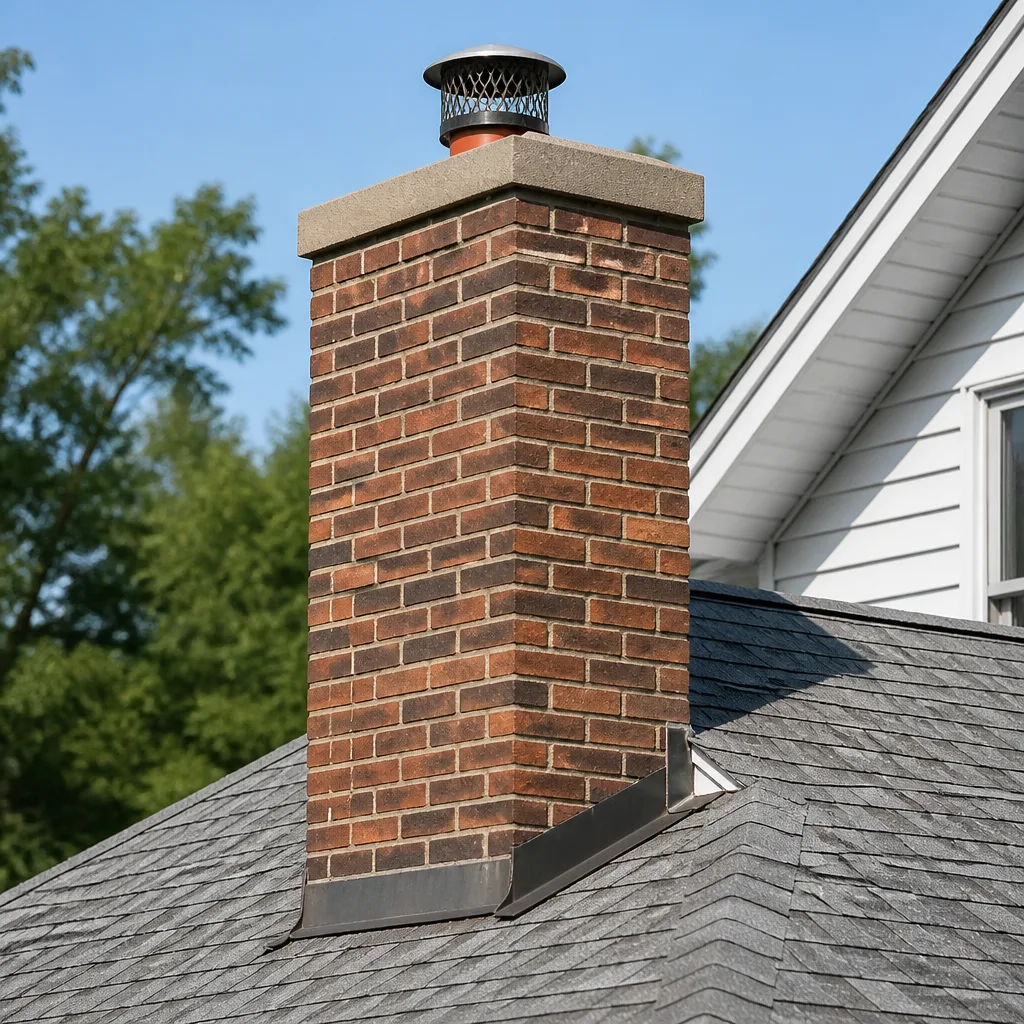 Masonry repair
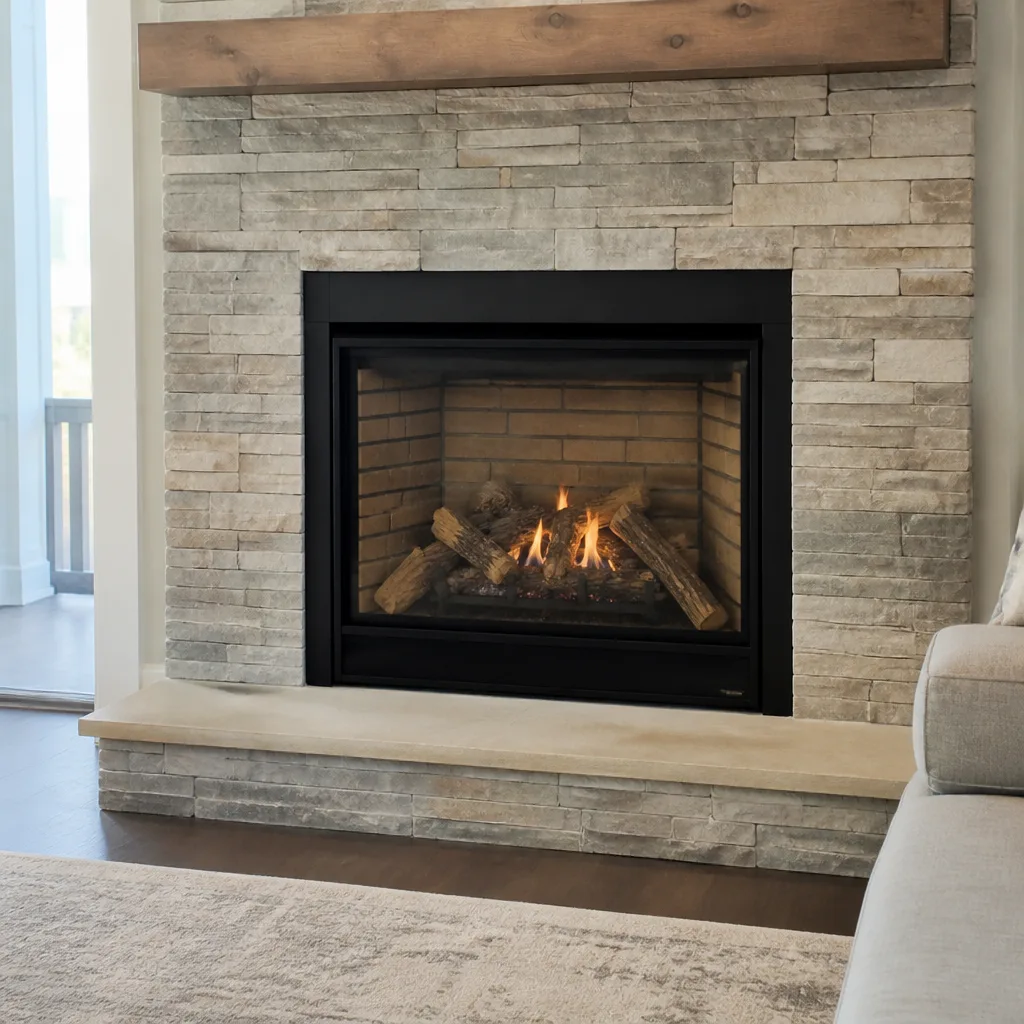 Gas fireplace service
Level 1 sweep and inspection to the NFPA 211 annual standard - flue, crown, cap, and flashing checked and photographed
Chimney sweep logs do not sweep chimneys. They loosen some creosote - which then falls where a brush and vacuum still have to collect it.
The Complete Guide to Chimney Cleaning in Oklahoma City
Most homeowners think of chimney cleaning as one job that happens once a year. It isn’t. Your chimney is a system with four distinct components – the flue liner, the firebox, the smoke chamber, and the exterior cap – and each one ages, collects different debris, and fails for different reasons. Treating them as a single cleaning task is exactly how small problems get missed until they become expensive ones. The National Fire Protection Association names failure to clean as the leading factor in chimney fires, but “clean” means something different for each component. This guide walks through each part of the system, explains what inspections actually require, and shows you how to read a technician’s report so you know what was checked in your Oklahoma City home before burning season arrives.
Quick Answer
Chimney cleaning in Oklahoma City is the removal of creosote, soot, and blockages from the flue, firebox, and smoke chamber, followed by an inspection that documents the condition of each component – and it should be done annually for wood-burning fireplaces, or more often if you burn heavily. A thorough cleaning covers all four parts of the chimney system, not just the visible firebox. Any cleaning that ends without a written inspection report on each component is incomplete.
Styles & brands we work with
- Sweep & inspection
- Caps & crowns
- Flue relining
- Masonry repair
- Gas fireplace service
Table of Contents
- The Four Parts of a Chimney System and Why Each Needs Its Own Standard
- What Creosote Actually Is and Why Its Degree Matters
- How Oklahoma City’s Clay Soil and Freeze-Thaw Cycles Test Your Masonry
- NFPA 211 Inspections: What Level I, II, and III Actually Require
- The Difference Between a Cleaning That Looks Fine and One That’s Safe
- How to Read a Chimney Inspection Report
- What Chimney Cleaning Costs in Oklahoma City
- When to Call a Professional Instead of Waiting
The Four Parts of a Chimney System and Why Each Needs Its Own Standard
A chimney sweep in most people’s minds is a brush on a rod. In reality, a professional chimney sweep in Oklahoma City evaluates and cleans four separate components, each with its own inspection criteria and cleaning method.
1. The Flue Liner
The flue liner is the interior passage that carries smoke and gases out of your home. In older Oklahoma City homes, liners are often clay tile sections with mortar joints between them. In newer or relined chimneys, they may be stainless steel. The liner has to be cleaned without damaging its surface – abrasive brushing on a clay liner in poor condition can crack tiles, and a damaged liner lets heat and gases reach combustible framing. Cleaning the flue means removing creosote from the full interior surface and inspecting every section of the liner for cracks, gaps, or spalling.
2. The Firebox
The firebox is the chamber where the fire burns. It takes the most direct heat and shows wear faster than any other part of the system. Brick fireboxes develop loose mortar joints, cracked brick faces, and gaps at the smoke shelf. Cleaning the firebox involves removing ash and soot from the floor and walls, but the real purpose is to inspect the brick and mortar while the surface is exposed. A firebox with open mortar joints lets heat into the surrounding structure – a condition that doesn’t show up from the living room.
3. The Smoke Chamber
Sitting just above the firebox and just below the damper, the smoke chamber is the funnel that compresses smoke and pushes it up the flue. It’s sloped, irregular, and hard to reach with a brush. Its corbelled brick surface collects creosote at a much higher rate than straight sections, and rough mortar joints can catch and hold it for years. Smoke chambers that aren’t properly cleaned are a recurring fire risk. Resurfacing products like HeatShield exist specifically for restoring smoke chamber and flue surfaces that have become too rough to clean effectively or too damaged to leave alone.
4. The Exterior Cap and Crown
The cap and crown live outside and take weather, debris, and animal activity. The cap keeps rain, birds, and squirrels out of the flue. The crown is the concrete or masonry slope at the top that sheds water away from the chimney. When a crown cracks, water enters the chimney structure and starts a freeze-thaw cycle inside the masonry. Caps from Gelco or Olympia Chimney are common replacements when a cap is rusted through, missing, or the wrong size for the flue. Cleaning without checking the cap and crown leaves the most weather-exposed part of the system uninspected.
What Creosote Actually Is and Why Its Degree Matters
Creosote is the tar-like residue left when wood smoke cools before it exits the flue. It builds in layers. How much builds, and in what form, depends on the wood you burn, the temperature of your fires, and how much air the fire gets.
Chimney professionals classify creosote in three degrees:
- First degree: soot and light flaky deposits. Brushable. This is what most annual cleanings remove.
- Second degree: a crusty, sometimes hardened layer that bonds to the liner. Brushable with effort, and often a sign the fire has been consistently smoldering.
- Third degree: glazed, tar-like deposits that have baked onto the liner surface. Standard brushing doesn’t remove this degree of creosote. It requires chemical treatment and often a more involved cleaning method.
A sweep that uses only a brush and no chemical treatment on a third-degree deposit is not a complete cleaning, regardless of what the invoice says. Third-degree creosote is a serious fire fuel because it sits directly against the liner and burns hot once lit.
How Oklahoma City Burning Habits Affect Creosote
Oklahoma City sitting in a moderately humid climate with cool winters, homeowners often burn in short evening fires. Short, low-temperature fires don’t heat the flue enough to fully vaporize the smoke, so they deposit more creosote per cord than long, hot burns. Burning unseasoned wood – very common when people buy “seasoned” wood that hasn’t actually dried – makes this worse. If you burn green or damp wood even occasionally, your creosote buildup runs above the average for the number of fires you have. That’s a reason to inspect, not assume the yearly schedule applies.
How Oklahoma City’s Clay Soil and Freeze-Thaw Cycles Test Your Masonry
Oklahoma City sits on heavy clay soils, and the city’s winters swing between freezing nights and warm afternoons. That combination matters more for the chimney’s exterior masonry than for the flue.
Why Clay Is Different
Heavy clay soil expands when wet and shrinks when dry. As it works through wet and dry cycles over the season, it moves slowly. That movement transmits up through the chimney’s foundation and into the masonry structure. Most of the time the chimney handles it fine. But when the foundation shifts, the base of the chimney can rack out of level slightly, opening hairline cracks at the base and along the stack.
Why Freeze-Thaw Matters
When water gets into a small crack and then freezes, it expands. The freeze-thaw cycle that’s typical of an Oklahoma City winter can widen those cracks a fraction each time. Water entering through a cracked crown or failing flashing is the single most common cause of masonry deterioration, and in this climate, the warm-afternoon-cold-night pattern means many freeze cycles per winter.
This is why the inspection of a chimney in this city has to look at two very different systems:
- The flue: cleaned to remove creosote, inspected for liner integrity, and checked for gaps between clay tiles.
- The exterior masonry: inspected for cracks at the crown, around the flashing, and along the stack, plus evidence of spalling brick or efflorescence.
A cleaning that only addresses the flue and leaves the masonry unchecked can pass visual inspection and still miss the crack that lets water in every spring.
NFPA 211 Inspections: What Level I, II, and III Actually Require
NFPA 211 is the standard that defines how chimney inspectors evaluate a system. It describes three levels of inspection, and the difference between them is significant.
Level I Inspection
A Level I inspection is a visual check of the readily accessible parts of the chimney system – the firebox, damper, the visible portion of the flue, and the exterior cap and crown if safely accessible. It’s appropriate when the appliance hasn’t changed, hasn’t had a chimney fire, and the chimney has been regularly swept. A routine annual sweep typically includes a Level I inspection.
Level II Inspection
A Level II inspection is required when the appliance or fuel type changes (for example, switching from wood to gas logs, or adding an insert), after a chimney fire, after a building fire, or when you’re buying and selling a home. It includes everything in a Level I plus a full inspection of the accessible attic, crawlspace, and any space where the chimney passes through. It typically involves a camera inspection of the flue.
Level III Inspection
A Level III inspection is reserved for when a Level I or II reveals a problem that requires access to areas normally concealed – inside the masonry structure itself. That might mean removing part of the chimney crown, opening a wall, or accessing the firebox interior from behind. It’s the most involved and least common of the three.
Here’s the gap in most homeowner experience: they book a “cleaning” and get a brush sweep with a look down the flue. That’s roughly the scope of a Level I inspection. If your circumstances call for a Level II – a new insert, a recent chimney fire, or an impending home sale in Oklahoma City – you need to ask for it by name and confirm the technician will run a camera through the flue.
The Difference Between a Cleaning That Looks Fine and One That’s Safe
A chimney can look clean from the firebox and still fail a combustion-safety check. Several things separate a cosmetic cleaning from one that meets a safety standard.
What a Visual Clean Leaves Unchecked
- Hairline cracks inside the flue that are invisible from the firebox opening
- Gaps between clay tiles that read as clean but let creosote seep behind the liner
- A smoke chamber that brushed clean on the surface but still has rough mortar joints trapping tar
- Improper flue sizing – a flue larger or smaller than the appliance requires will not draft properly even when clean
- Carbon monoxide backtracking that occurs only when the appliance runs, not during a visual inspection
What a Combustion-Safety Check Adds
A full cleaning ends with an inspection that verifies the system functions as a whole, not just that it’s free of visible debris. This includes confirming the flue diameter matches the appliance, checking that the damper operates correctly, checking the cap is properly sized and sealed, and running a camera through the flue. Without those final checks, the “clean” cleaning is really only a partial evaluation.
In our experience, the failures we find in Oklahoma City most often sit in areas the firebox view doesn’t reach. That’s why a written report that lists each component separately, not just a single “pass” line, is the minimum acceptable output of any inspection.
How to Read a Chimney Inspection Report
Every cleaning should end with a written account of what was found. A report that lists each component separately is the standard to expect. Read it with these specific questions in mind:
- Is each component addressed by name? A proper report has separate sections for the flue liner, firebox, smoke chamber, and cap and crown. A single paragraph that says “chimney clean and in good condition” is not a report – it’s a summary with no content behind it.
- Were photos taken? Camera photos of the flue interior, the firebox, and the exterior cap let you see what the technician saw. A report without photos is difficult to verify.
- Was the creosote degree noted? The report should say whether deposits were first, second, or third degree. Third-degree creosote requires treatment beyond standard brushing; if a report says “heavily deposited” without naming the degree, ask.
- Were measurements taken? Flue diameter and cap size should appear in the report if anything looks off. Sizing problems are common and easy to miss without an actual measurement.
- Are the recommendations specific or vague? “Consider having the chimney relined at some point” is not a recommendation. A proper report says what’s wrong, what specifically needs to happen, and whether it can safely wait another season.
- Did you sign an acknowledgment that nothing was found? A report that documents clear findings in writing protects both you and the technician.
Reports that lack photos, miss a component, note no creosote degree, and offer no measurements are the classic sign of a quick brush-and-go. The sweep might have been adequate; the written documentation says otherwise, and you have no way to know what was missed.
What Chimney Cleaning Costs in Oklahoma City
Chimney cleaning prices in Oklahoma City depend on the size of the system, how much deposit has built up, and which level of inspection is included. Typical estimated ranges for the area:
| Service | Typical estimated range |
|---|---|
| Standard cleaning, single flue, with Level I inspection | $150 – $280 |
| Cleaning with camera inspection (Level II) | $250 – $450 |
| Creosote removal, third-degree deposit | $300 – $600 |
| Cap replacement (part and installation) | $150 – $350 |
| Smoke chamber or flue resurfacing | $1,200 – $2,400 |
| Full flue relining (DuraFlex system) | $2,500 – $5,500 |
These ranges are estimates only. The written estimate after inspection sets the final price, and nothing is recommended until you’ve seen the evidence behind it – photos, measurements, and the specific condition each recommendation addresses. If a report says work can safely wait a season, it can.
We work with your insurer if a chimney fire or storm event has caused damage, and we don’t recommend any repair without documented justification. Our written estimate is free and sets the price.
When to Call a Professional Instead of Waiting
Some chimney conditions can wait for the annual cleaning. Others shouldn’t. Call for a professional inspection if any of the following applies:
- You’ve had a chimney fire – even a small one. Chimney fires often go undetected beyond a “popping” noise and a rush of heat; the liner may have cracked without any visible sign from the firebox.
- You smell a strong smoky odor in the house when the fireplace is not in use. That’s often a sign of negative pressure, a blocked flue, or creosote odor from unremoved buildup.
- You see staining or white salt-like deposits (efflorescence) on the exterior chimney. Water is penetrating the masonry.
- You notice cracked or missing mortar joints in the firebox, or brick faces that are flaking.
- You’re installing a new appliance, insert, or switching to gas logs – this calls for a Level II inspection.
- You’re buying or selling a home in Oklahoma City and need documented inspection before closing.
Linden Chimney Cleaning offers free estimates in Oklahoma City – call (866) 334-8781. We answer 24/7, with fast dispatch from 7am to 7pm, Sunday through Friday.
Common Mistakes to Avoid
- Cleaning only the flue and calling it done. The smoke chamber and cap are separate components with separate problems. Skipping them means half the system goes uninspected. In Oklahoma City, the cap specifically takes freeze-thaw damage every winter, and a cap problem goes unnoticed until water is already inside the masonry.
- Assuming “annual” means the same month every year. If you burn heavy, burn unseasoned wood, or had a chimney fire, the interval is shorter. A chimney that’s been through a fire needs a Level II inspection before the next fire, regardless of when the last cleaning was.
- Rejecting camera inspection because the sweep “didn’t see anything.” The interior of the flue is not visible from the firebox. A visual-only cleaning can pass and still leave a cracked tile. Confirm camera inspection is included before booking.
- Burning unseasoned wood to save money on cordwood. Green or damp wood deposits considerably more creosote per fire and is a major contributor to third-degree buildup. Seasoned wood is worth the cost.
- Ignoring exterior masonry cracks because the chimney works fine. Functional and structurally sound are not the same thing. The clay soil and freeze-thaw cycle in this region open hairline cracks that enlarge over each winter; a crack that isn’t addressed in fall will be larger in spring.
- Accepting a verbal “looks good” instead of a written report. Ask for component-by-component details, creosote degree, and photos. A report you can’t read back six months later isn’t documentation.
- Waiting for smoke to come into the room before calling. Smoke backdraft is the late symptom. Staining, odor, and loose mortar are earlier signs that the system needs attention.
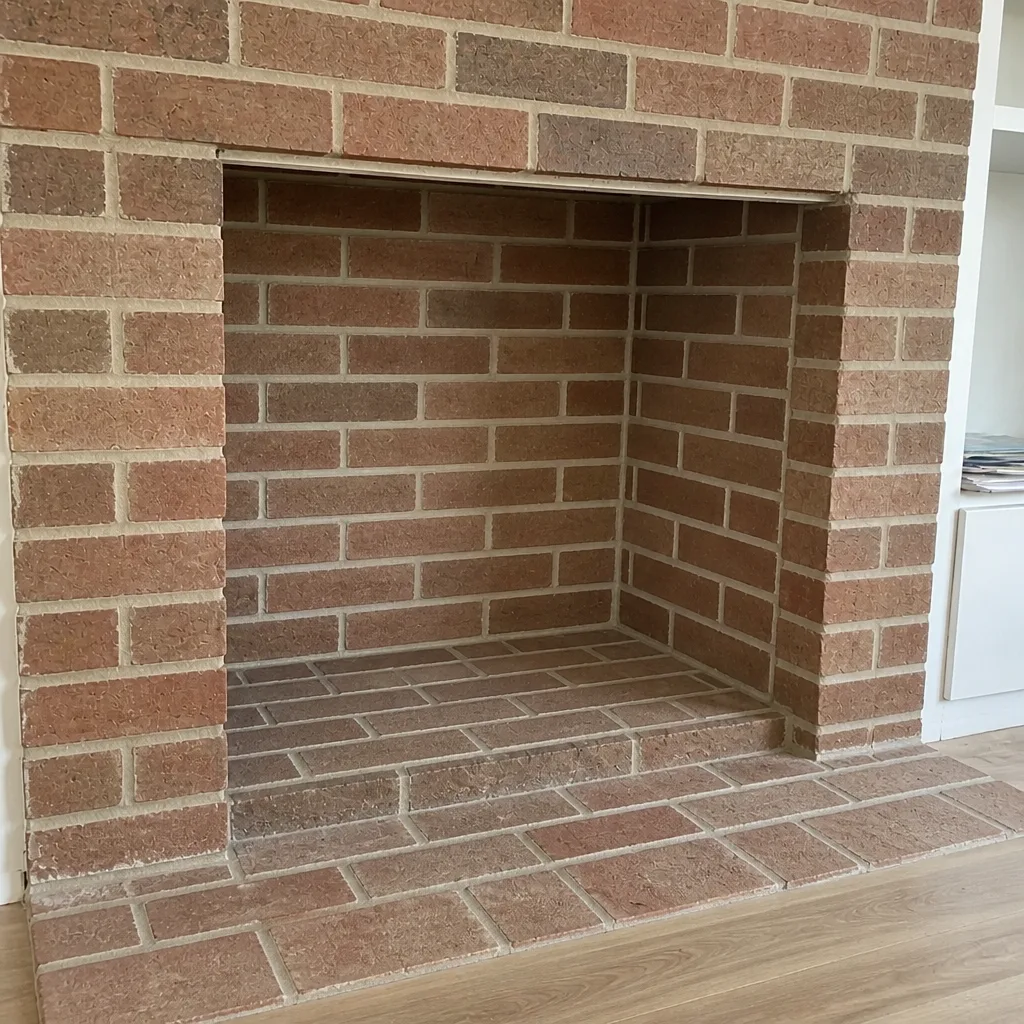
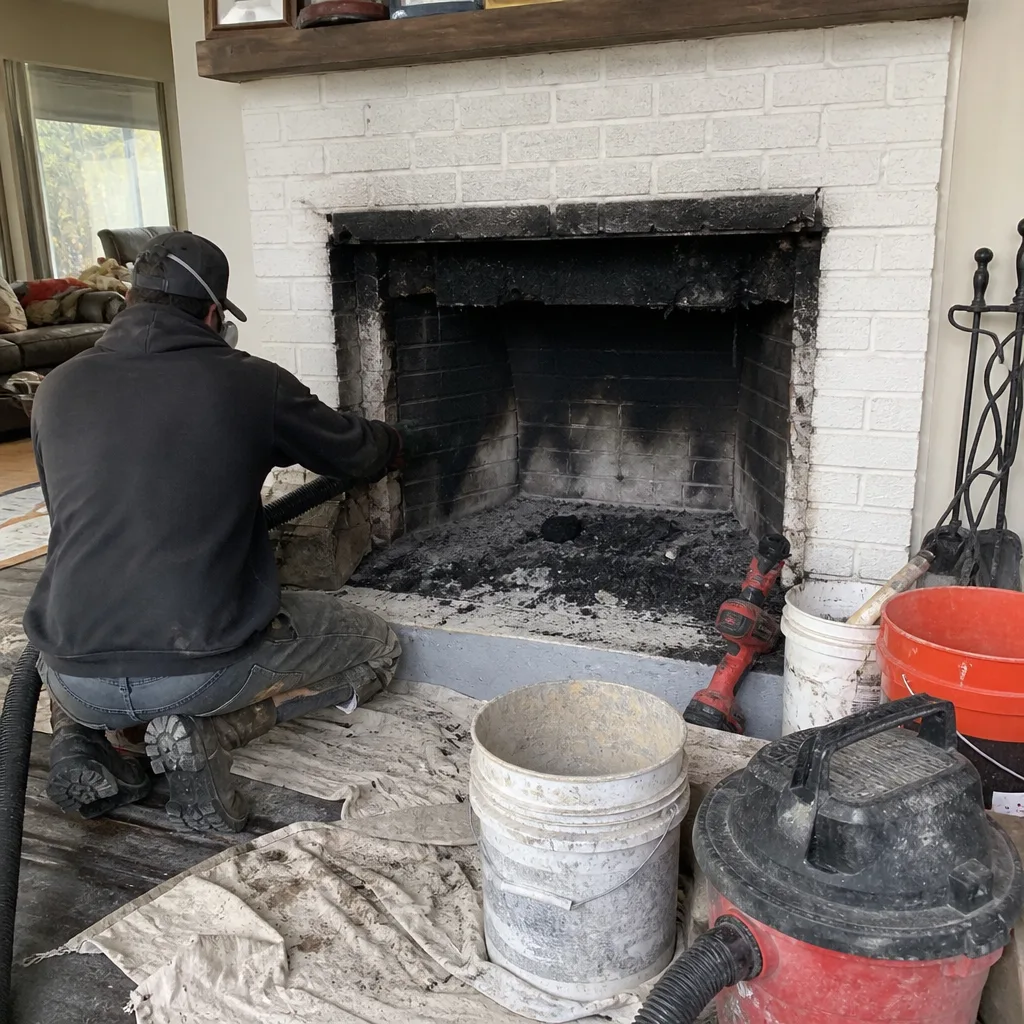
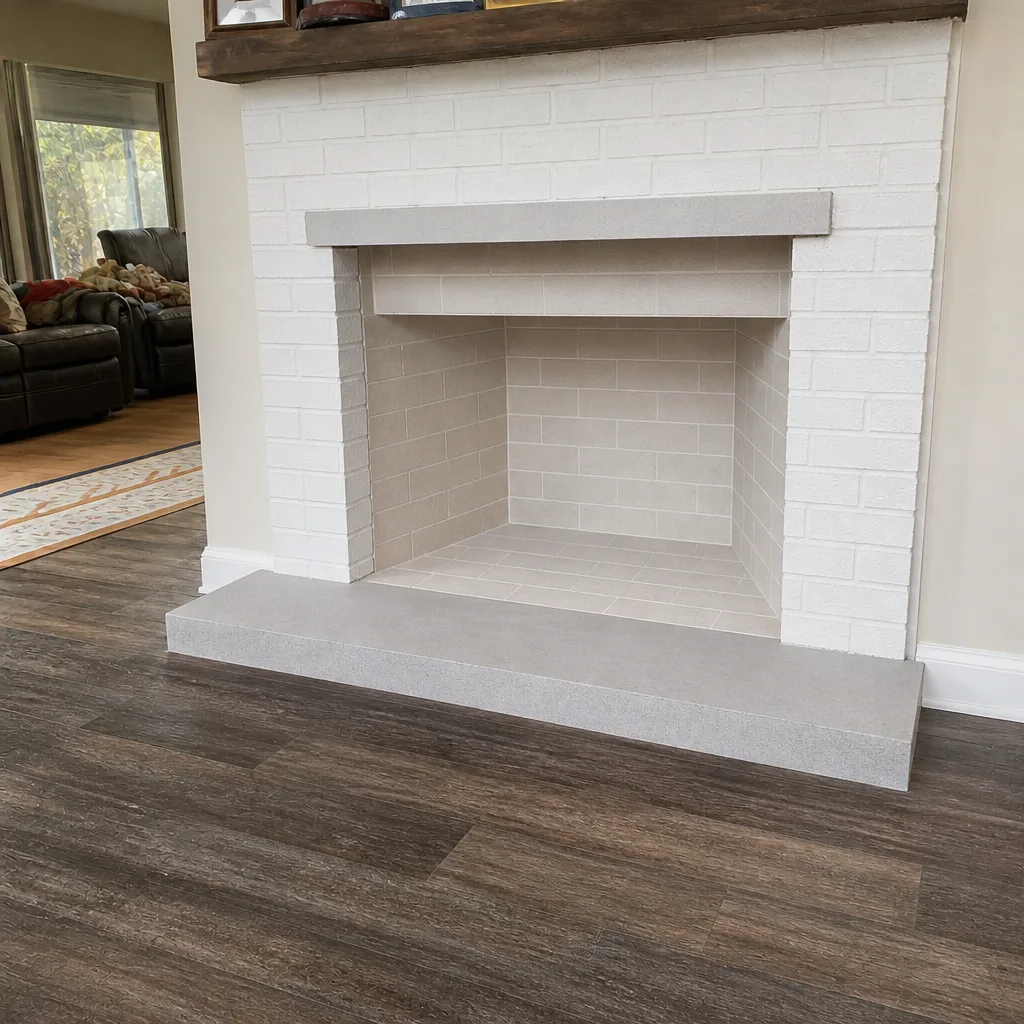
See the difference
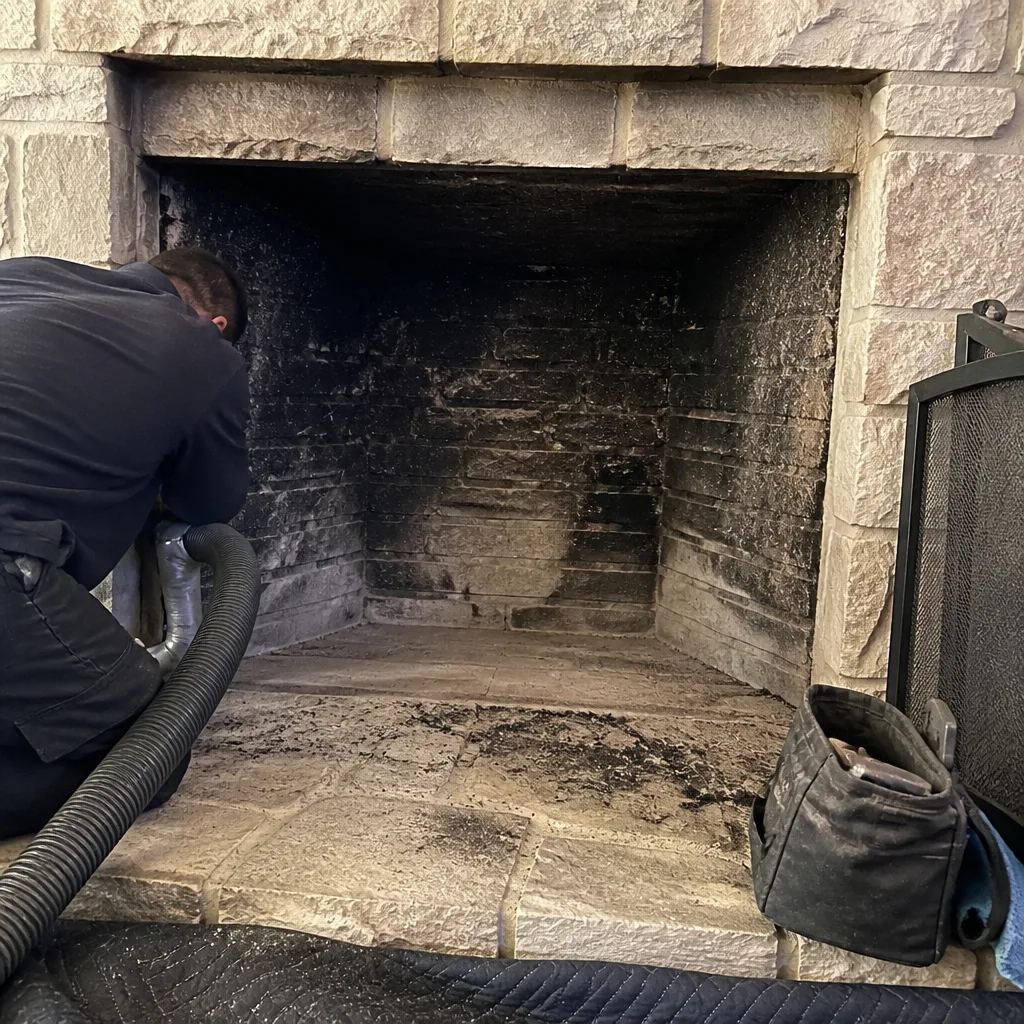 Before
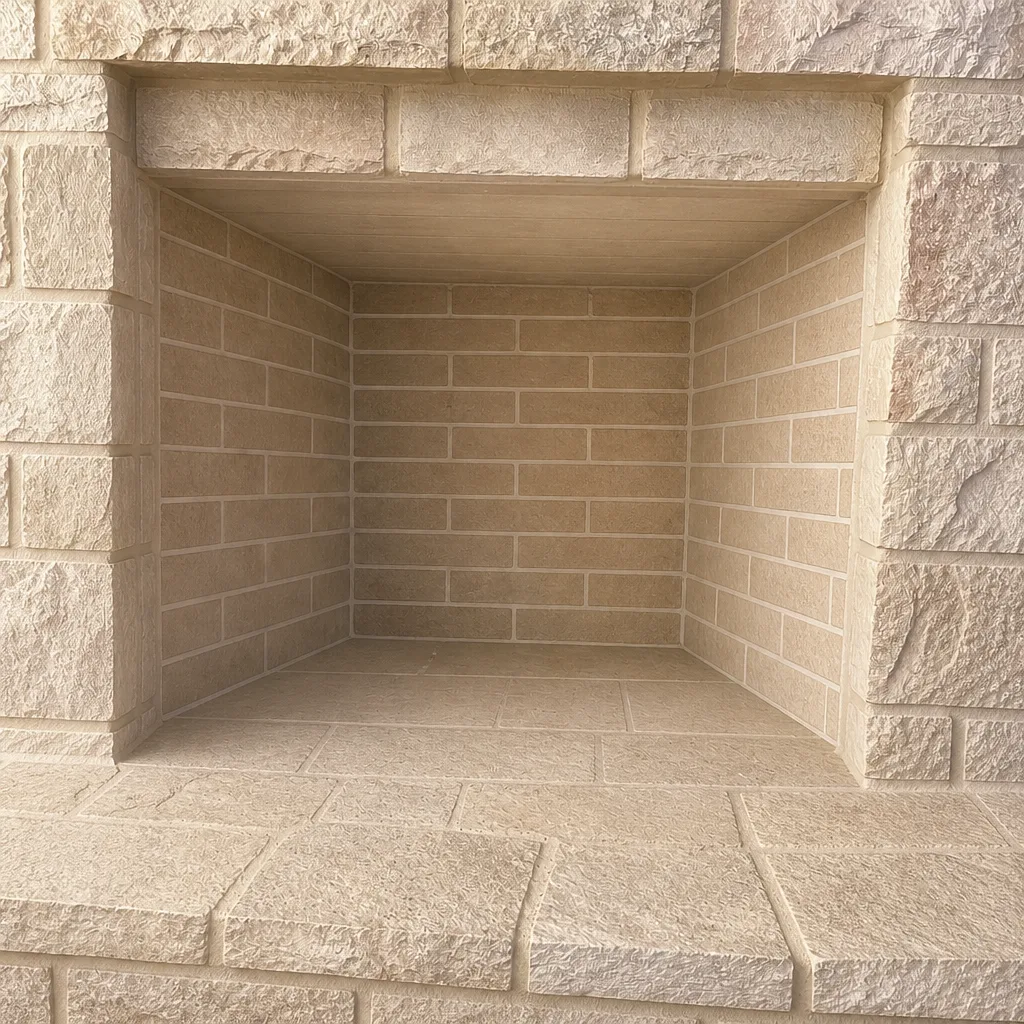 After
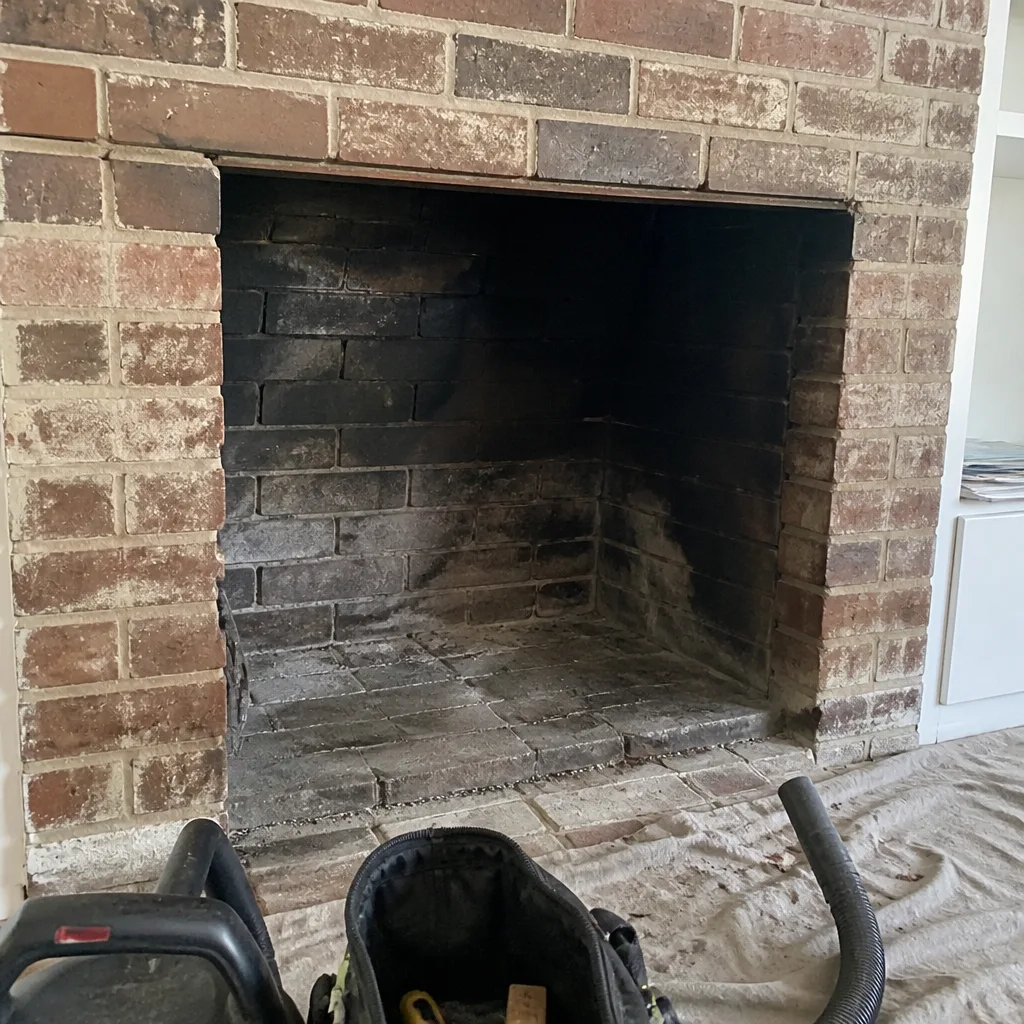 Before
 After
 Before
 After
Frequently Asked Questions
A standard chimney cleaning in Oklahoma City typically estimates $150 to $280, including a Level I inspection. If camera inspection is needed, or if third-degree creosote requires chemical treatment, the estimate moves higher. Call (866) 334-8781 for an exact quote – estimates are free.
An annual sweep is the general recommendation for wood-burning fireplaces. If you burn heavily, burn unseasoned wood, or have had any chimney fire, sweep more often. In Oklahoma City, where many homeowners burn short evening fires that generate more creosote than long hot burns, an annual check is the minimum – not a guarantee that a year’s worth of deposits is manageable.
Not unless inspection evidence shows the existing liner is cracked, gapped, or the wrong size for the appliance. A proper Level II inspection with camera documentation is what determines this – not a guess. If the liner is intact and correctly sized, a cleaning is all you need. Call (866) 334-8781 to schedule an inspection and see the evidence before deciding.
Creosote accumulates. First-degree deposits build into second, then third, over successive seasons. Third-degree creosote is a fire fuel that standard brushing can’t remove, and at that point the cost moves from a routine cleaning to creosote treatment and often liner repair. The other risk is a hidden crack in the liner that goes undetected because it was never camera-inspected. Call (866) 334-8781 for an inspection – estimates are free.
A Level I inspection is a visual check of accessible components and is included with a routine cleaning. A Level II inspection adds camera inspection of the flue and checks concealed spaces. Level II is required after a chimney fire, when installing a new appliance or insert, or during a home sale. Call (866) 334-8781 to ask which level fits your situation.
Yes. Nothing is recommended without camera evidence you can see, and if the report shows that a repair can safely wait, we say so in writing. Our written estimate sets the final price, and we don’t recommend work without documented justification. Call (866) 334-8781 for a free estimate.
What to Expect on a Cleaning Visit in Oklahoma City
If you’ve never had a professional cleaning, here’s how a typical visit works. We start with the firebox and damper – removing old ash, checking the damper operates, inspecting the firebox brick and mortar. Then we work up through the smoke chamber and the flue, brushing the full interior and documenting what comes down. Finally we check the cap, crown, and flashing on the roof. A camera goes down the flue at the appropriate point depending on the inspection level included.
The whole visit typically takes an hour or more depending on the deposit level. You get a written report with photos, each component evaluated separately, and a clear statement of whether anything needs attention now or can wait. If a camera panel shows a crack or a gap, you see the photo. If the flue is sound, the report says so – and that’s the point. A clean flue and a written account of what we found is the deliverable, not just a swept chimney.
Our technicians have up to 8 years of experience with chimney systems across the Oklahoma City area. We handle the full lifecycle – sweep, inspection, and repair – so a recommendation at the top of the flue can be acted on in the same visit without a referral. Liner, cap, flashing, firebox – we work the whole system, using professional-grade materials from DuraFlex, HeatShield, Gelco, and Olympia Chimney, the same lines chimney technicians use.
The Bottom Line
Chimney cleaning in Oklahoma City isn’t a single annual task. The flue liner, firebox, smoke chamber, and cap each age differently, collect different deposits, and need their own inspection criteria. A thorough cleaning covers all four and ends with a written report that names each component, states the creosote degree, includes camera documentation, and tells you plainly whether anything can safely wait. The two things that separate a good visit from a cosmetic one are component-by-component documentation and level-appropriate inspection – Level I for a routine cleaning, Level II whenever a fire, a new appliance, or a home sale is in play. Use the report as your guide for what to do next, and never accept a one-line summary as evidence the system was checked.
Contact Linden Chimney Cleaning
If you’re ready to see what’s actually going on inside your chimney, call (866) 334-8781 for a free estimate. We answer 24/7, with fast dispatch from 7am to 7pm, Sunday through Friday. We provide chimney sweeps, inspections, and chimney repair in Oklahoma City and the surrounding area – one company, all three services, and a written account of what we found. A clean flue and clear answers is what you get. We’re Linden Chimney Cleaning, and we’re ready to look at the whole system. Call today to book your visit.
Call (866) 334-8781 – free estimates, written reports with photos, and no recommendation without documented evidence. If it can wait, we’ll tell you it can wait.
Written by the team at Linden Chimney Cleaning.