
Last updated November 16, 2026
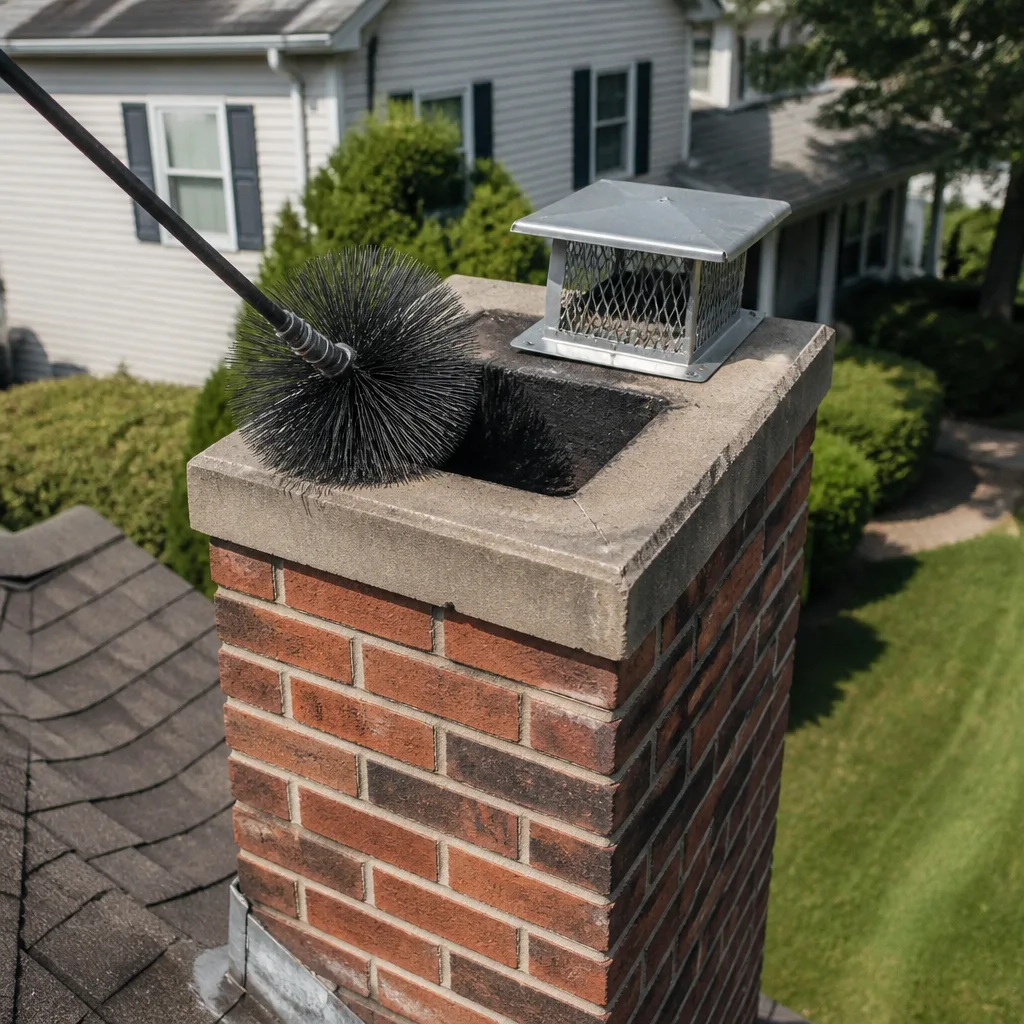 Sweep & inspection
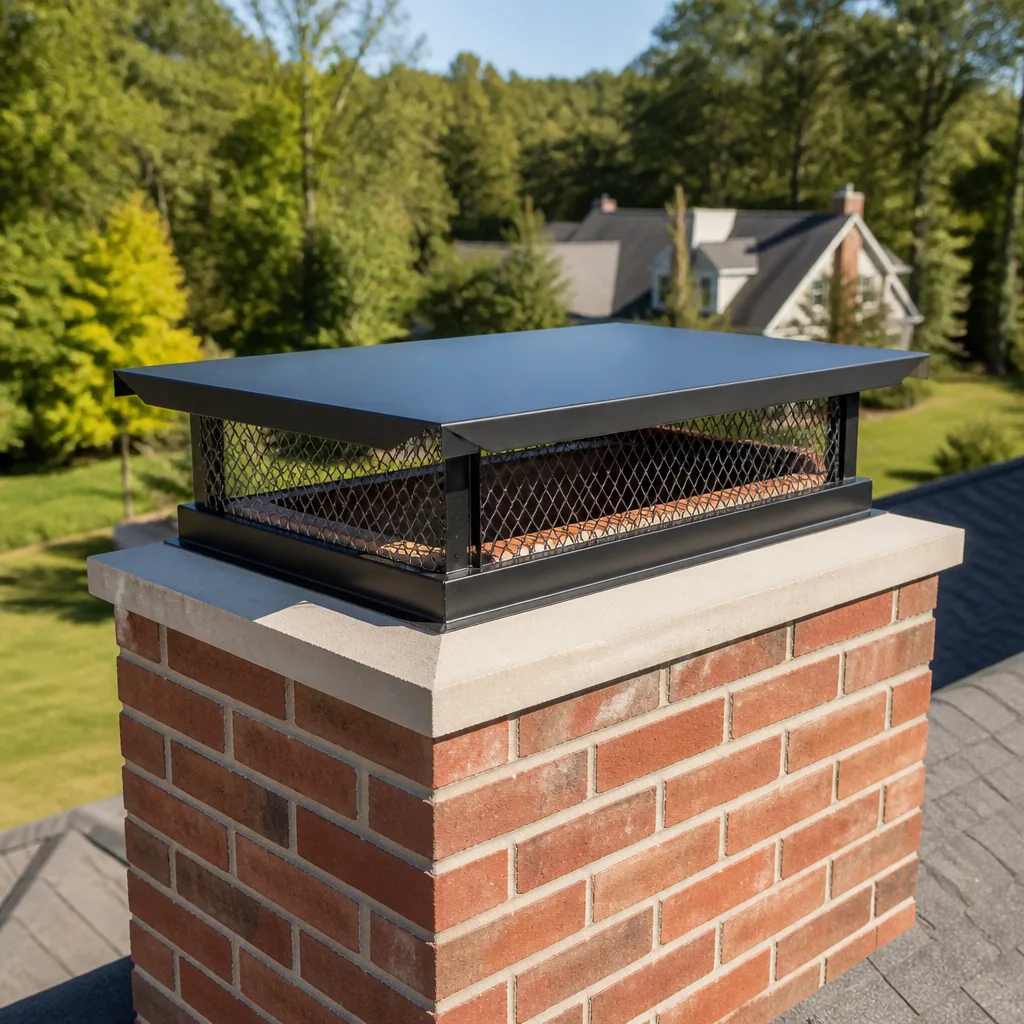 Caps & crowns
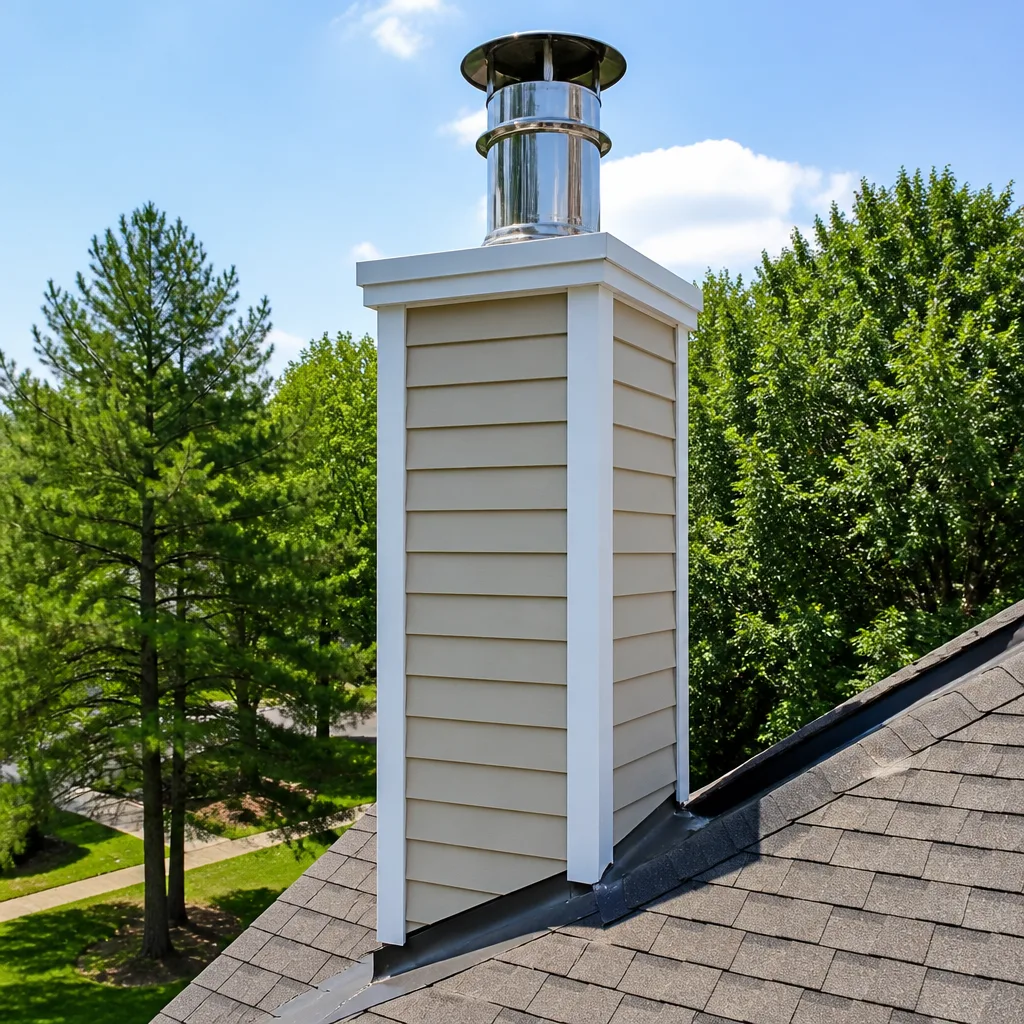 Flue relining
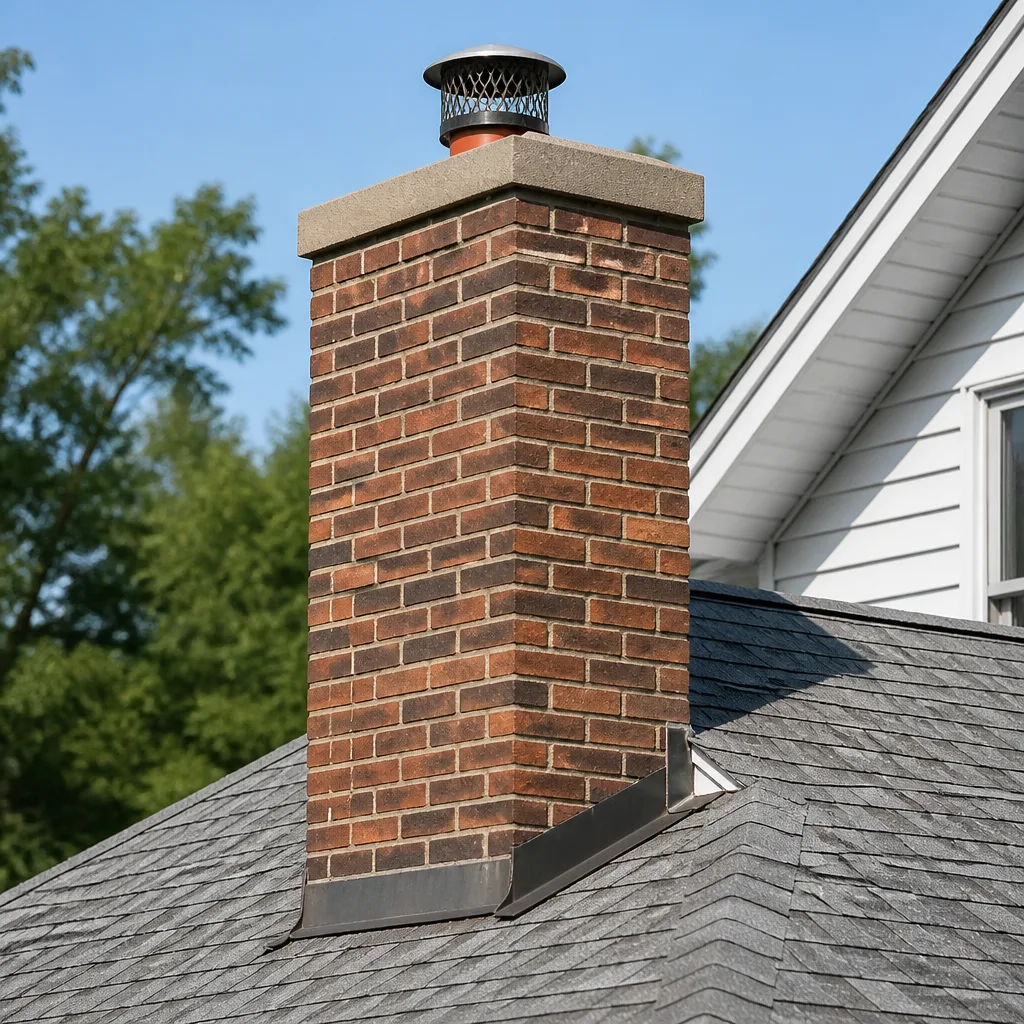 Masonry repair
 Gas fireplace service
Level 1 sweep and inspection to the NFPA 211 annual standard - flue, crown, cap, and flashing checked and photographed
Chimney sweep logs do not sweep chimneys. They loosen some creosote - which then falls where a brush and vacuum still have to collect it.
Chimney Cleaning Emergency Preparedness Guide for Oklahoma City Homes
Oklahoma City homeowners know how to prepare for a tornado watch. They know where the flashlight is when an ice storm knocks out power, and they know to fill the bathtub before the water pressure drops. What most people don’t realize is that a chimney fire plays by different rules than those emergencies. It can burn at temperatures above 2,000°F inside the flue while showing no flame at all from the living room, and the signs that something is wrong are quiet: a low rumble, a smell like hot metal, a puff of smoke where there shouldn’t be one. Homeowners who don’t recognize those signals sometimes keep feeding the fire through an active chimney fire. This guide covers what standard emergency checklists leave out: the chimney-specific scenarios that matter in Oklahoma City, and exactly what to do in the first three minutes.
Quick Answer
A chimney fire is an emergency when you hear a loud roaring or rumbling from the flue, smell a sharp creosote or hot-metal odor, see smoke escaping joints or the damper area, or notice the chimney pipe glowing. Get everyone out, call 911, and do not use the fireplace again until a professional inspection confirms the flue is intact. Carbon monoxide is the second chimney emergency to plan for, and the blocked-flue scenarios behind it are common in Oklahoma City after spring nesting season and winter ice storms.
Styles & brands we work with
- Sweep & inspection
- Caps & crowns
- Flue relining
- Masonry repair
- Gas fireplace service
Table of Contents
- How to Recognize an Active Chimney Fire From Inside the House
- The First Three Minutes: Immediate Response Protocol
- Carbon Monoxide Risk Specific to Chimney Systems in Oklahoma City
- What to Tell the Fire Department and What Not to Do After They Leave
- Post-Emergency Documentation: What Your Insurance Carrier Needs
- Building a Chimney Emergency Kit Before Burning Season
- Creosote, Chimney Fires, and Why Oklahoma City Chimneys Load Up Fast
- Prevention: The Sweep Schedule That Prevents Most Emergency Calls
How to Recognize an Active Chimney Fire From Inside the House
A chimney fire is not always visible from the outside, and that’s the part that catches people off guard. Many active fires stay contained inside the flue, burning the creosote that lines it while the firebox below looks normal. From inside the house, the signs are mostly sound and smell rather than sight.
Listen for a deep, low roar or a rumbling that sounds like a distant train or a helicopter rotor. That noise is different from the ordinary crackle of a fire; it’s the sound of combustion moving through the flue itself. You may also hear a series of popping, ticking, or tapping noises as creosote deposits ignite and flake apart.
Smell for sharp, acrid creosote, or the hot-metal smell of an overheated stovepipe. Some homeowners describe it as a burning rubber or tar odor. Visual cues include:
- Smoke puffing from seams, joints, or the damper plate where the flue meets the firebox.
- Dense, dark smoke at the top of the chimney or from the roof area.
- A glow or visible heat shimmer on the chimney pipe or metal flue.
- Flames or sparks visible at the chimney crown from the outside.
- Warped or discolored damper hardware after the event.
One detail matters here for Oklahoma City homes: many houses here have exterior masonry chimneys or metal flues on the gable end, and in an active fire the brick or metal can crack or warp in places you can’t see from the ground. If you suspect a chimney fire, treat it as active even when the firebox looks calm. Our technicians, who have up to 8 years of experience, find that the interior damage after these events is often far worse than what the homeowner described.
The First Three Minutes: Immediate Response Protocol
The first three minutes set the outcome. A chimney fire can spread to the framing or roof if it burns long enough, and carbon monoxide can build quickly in a tightly sealed house. Here’s the order that protects people first and property second.
- Get everyone out of the house. Including pets. Move to a safe distance from the structure, and don’t stop to gather belongings. This is the only step that can’t be undone.
- Call 911. Say plainly: “I think I have a chimney fire.” Give your address and describe what you’re seeing or hearing.
- If it’s a wood-burning fireplace and you can do it safely, close the glass doors and the damper. Cutting off the air supply to the firebox limits oxygen to the creosote burning in the flue. Do this only if you can reach the controls without risk.
- Don’t spray water into the firebox. A sudden rush of water on a very hot firebox can crack masonry or metal. Leave firefighting to the fire department.
- If you have a chimney extinguisher or a bucket of sand, use it only from the top of the chimney if you can safely reach it and the fire department guiding you on the phone approves it. Otherwise, leave it. Getting on a roof during an active fire is a fall hazard and rarely worth it.
- Stay out of the house until cleared. Fires can reignite in hidden cavities. Wait for the fire department to give you the all-clear.
One point we want to be clear about: even if a chimney fire seems to burn itself out before the fire department arrives, the flue is still compromised until someone inspects it. Cracks in a clay tile liner or a warped metal flue don’t heal with time. That’s why the next steps matter just as much as the first three minutes.
Carbon Monoxide Risk Specific to Chimney Systems in Oklahoma City
Carbon monoxide is the quieter chimney emergency, and it’s the one more Oklahoma City homeowners will actually face in a given year. CO comes from incomplete combustion, and it builds when a flue can’t vent exhaust to the outside. In a chimney system, that happens for three common reasons.
Blocked flues. Oklahoma City sits in a climate where birds, squirrels, and raccoons nest in uncapped chimneys in spring. A cap that’s missing, torn, or knocked loose by wind leaves the flue open. Vents should always be capped with a screen; we work with caps and covers from brands like Gelco and Olympia Chimney for exactly this reason.
Hairline cracks after an ice storm. Freeze-thaw cycles crack masonry and clay tile liners. A cracked liner lets flue gases escape into the wall cavity instead of up and out. After a storm that drops ice across the metro, it’s worth having the chimney looked at even if you never noticed a problem inside.
Creosote buildup. Heavy creosote restricts the flue’s cross-section and slows draft, which pushes some exhaust back into the room. If you’ve ever smelled smoke when the fire was burning well, the flue wasn’t drawing properly.
Install a carbon monoxide alarm on every level of the house and near sleeping areas. Know the symptoms: headache, dizziness, nausea, and confusion that improve when you leave the house and worsen when you return. If your alarm sounds, treat it as a chimney emergency: get out, call 911, and don’t re-light the fireplace until the flue has been inspected. This is the scenario where a chimneys-only specialist makes a difference, because a thorough inspection will look for the venting failure, not just a dirty firebox.
What to Tell the Fire Department and What Not to Do After They Leave
When the fire department arrives, the more clearly you can describe the event, the more efficiently crews can work. Have these facts ready:
- Where the fire is (firebox, flue, or roof) and what you saw or heard.
- What type of appliance is connected (open fireplace, insert, wood stove, or gas).
- Whether the chimney has a cap and screen.
- When the chimney was last swept and inspected.
- Whether anyone is experiencing symptoms (headache, dizziness, nausea).
- Whether anyone is still inside the house.
After the fire department clears the scene, the single most important rule is this: do not use the fireplace again until a professional inspects the chimney. There’s often no visible damage outside. Cracks in clay tiles, separation between flue sections, and heat damage to a masonry crown or metal flue only show up on a proper inspection, and a fire that’s still smoldering in a hidden cavity can re-ignite.
We’ve been called to homes where the family relit the fire the next evening, assuming the fire department’s all-clear meant the chimney was fine. The chimney was structurally intact enough to hold a fire, but the cracked liner had been venting exhaust into the wall for days. That’s a carbon monoxide exposure event waiting to happen.
Do call your chimney sweep right away for an inspection – before cleaning, so damage can be documented and photographed as it stood after the event. If the fire department advises you, follow their guidance on whether the home is safe to occupy while you wait.
Post-Emergency Documentation: What Your Insurance Carrier Needs
Insurance carriers want evidence, and in a chimney claim, evidence means the condition of the chimney immediately after the event. The order of operations matters here. An inspection happens first, before any cleaning, so that a tech can document what actually failed and how.
A proper post-emergency inspection covers:
- The flue interior, checked with a camera so the technician can see cracks, gaps, or shifted tiles.
- The firebox, damper, smoke chamber, and any visible masonry around the chimney.
- The chimney crown, cap, flashing, and the roof transition.
- The exterior masonry or metal pipe for spalling, warping, or heat discoloration.
- The appliance connection and any nearby combustibles that may have been affected.
Photographs and a written report belong with your claim. If the inspector recommends repair, get the recommendation in writing with the evidence attached. Our chimney repair team routinely works alongside insurance claims and can provide the documentation a carrier needs.
Most policies require you to notify the carrier promptly after a chimney fire. Don’t clean the flue first and then call the insurer; a wiped-down chimney is evidence you can no longer submit. Have your policy number, the date and time of the event, and the fire department’s incident number ready when you call.
Building a Chimney Emergency Kit Before Burning Season
The right time to prepare is before the first cold front, not the night you smell smoke. A chimney-specific emergency kit sits alongside the storm supplies you already keep. Put it in the same place you store your tornado bin.
- Carbon monoxide alarms on every level, tested when you change the clocks.
- An ABC-rated fire extinguisher near the fireplace, checked for pressure.
- A chimney extinguisher or bucket of sand if you can access the top of the flue safely. Keep it stored, marked, and dry.
- A flashlight and spare batteries kept where you can find them in the dark.
- Your sweep and inspection record in a folder or notes app, with the last service date visible.
- A written contact list that includes your fire department’s non-emergency line and your chimney company’s number.
- A copy of your homeowner’s policy number and your insurer’s claims line.
You don’t need all of this to be elaborate. A five-gallon bucket of sand, a flashlight, and a tested CO alarm cover most of the value in a chimney emergency. The point is to know where they are before you need them. Oklahoma City’s storm season and burning season overlap more than most people think; a February ice storm can put your chimney out of commission for the rest of the winter, so having a plan set before then pays off.
Creosote, Chimney Fires, and Why Oklahoma City Chimneys Load Up Fast
Creosote is the fuel for almost every chimney fire. It’s a tar-like residue that forms when wood smoke cools on the walls of the flue. Three forms matter: a light, sooty dust that brushes off easily; a flaky, crunchy layer that looks like black cornflakes; and a hardened, glazed coating that bonds to the flue wall and takes professional tools to remove.
Oklahoma City wood burning tends to load up creosote for a few reasons. Many homeowners here burn what’s available: hedge (Osage orange), pecan, and oak. Hedge is an excellent heat wood but it burns hot and fast, and it produces a lot of creosote when it isn’t fully seasoned. Damp wood, common after a wet fall, cools the smoke and deposits more creosote on the flue. And the swing between warm afternoons and cold nights in Oklahoma City means a lot of fires are banked down low and left to smolder, which is exactly the burn that builds creosote fastest.
Before every burning season, run these checks:
- Look for soot at the top of the firebox and around the damper.
- Check the flue cap and screen; a missing screen invites nesting, and birds and squirrels plug flues in spring.
- Watch for smoke curling back into the room when the fire is burning well.
- Notice how the fire behaves. If it’s hard to start, smokes heavily, or burns unevenly, draft is weak.
Any of those means it’s time for a professional look. A glazed creosote layer is a fire hazard, and it’s the layer that most often ignites during the coldest weeks of the year. That’s what HeatShield resurfacing exists for in repair work; it restores a damaged ceramic flue interior rather than leaving a thinned wall behind.
Prevention: The Sweep Schedule That Prevents Most Emergency Calls
The vast majority of chimney emergencies we see could have been avoided with a sweep and inspection done on schedule. Here’s what to follow.
- Sweep once a year if you burn regularly. For a home with a fireplace used through the winter, an annual sweep before burning season is the baseline.
- Sweep more often if you burn a lot of hedge or damp wood. Creosote builds faster with those fuels than with well-seasoned oak or pecan.
- Inspect before the first burn, and any time after a chimney fire, an ice storm, or a suspected animal intrusion. An inspection is different from a sweep; it’s the documented account of what condition the flue is in.
- Cap the chimney. A cap with a screen keeps rain, birds, and squirrels out. It also prevents downdrafts that push smoke back into the room.
- Sweep after any event that involved smoke in the living space. Smelling smoke indoors is a draft problem worth looking into, not something to live with.
For Oklahoma City homes, the best time to book an inspection is late summer or early fall, before the first real cold front. Schedule it early enough that if a repair is needed, it can still be done before the season starts. If your flue needs relining, that’s a DuraFlex system in most cases, fitted to the existing flue and sized to the appliance. Repairs after a chimney fire sometimes involve relining rather than just cleaning, and it’s cheaper and safer to discover that early.
If you’re reading this in the middle of the season and your chimney hasn’t been touched in a year or two, book the appointment now rather than waiting until a problem shows up.
Common Mistakes to Avoid
- Assuming an active chimney fire is over because the firebox looks quiet. A fire burning in the flue often shows no visible flame from the living room, and a drawn-down fire is not a repaired chimney.
- Using the fireplace again after the fire department leaves. Fire department clearance is about structural safety, not chimney integrity. A cracked liner can vent carbon monoxide into the wall for weeks without a visible sign.
- Cleaning the flue before an inspection is documented. If you plan to file an insurance claim, sweeping can erase the evidence your carrier needs to see. Inspect first, clean second.
- Assuming a spring bird problem is harmless. Oklahoma City’s tree cover makes it a favorite nesting spot, and a plugged flue cap is a carbon monoxide risk, not a cosmetic one.
- Burning damp wood, hedge, or trash. Damp wood and softwood scraps cool the smoke and deposit more creosote; trash in the fireplace risks chimney fires and fires in the firebox itself.
- Skipping the cap. An uncapped chimney takes in rain, wildlife, and downdrafts. The repair after a nesting or water event is more expensive than a cap.
- Waiting until the first cold week to call. Oklahoma City chimney companies get booked solid from October on. A September sweep is cheaper in time and money than a February emergency.
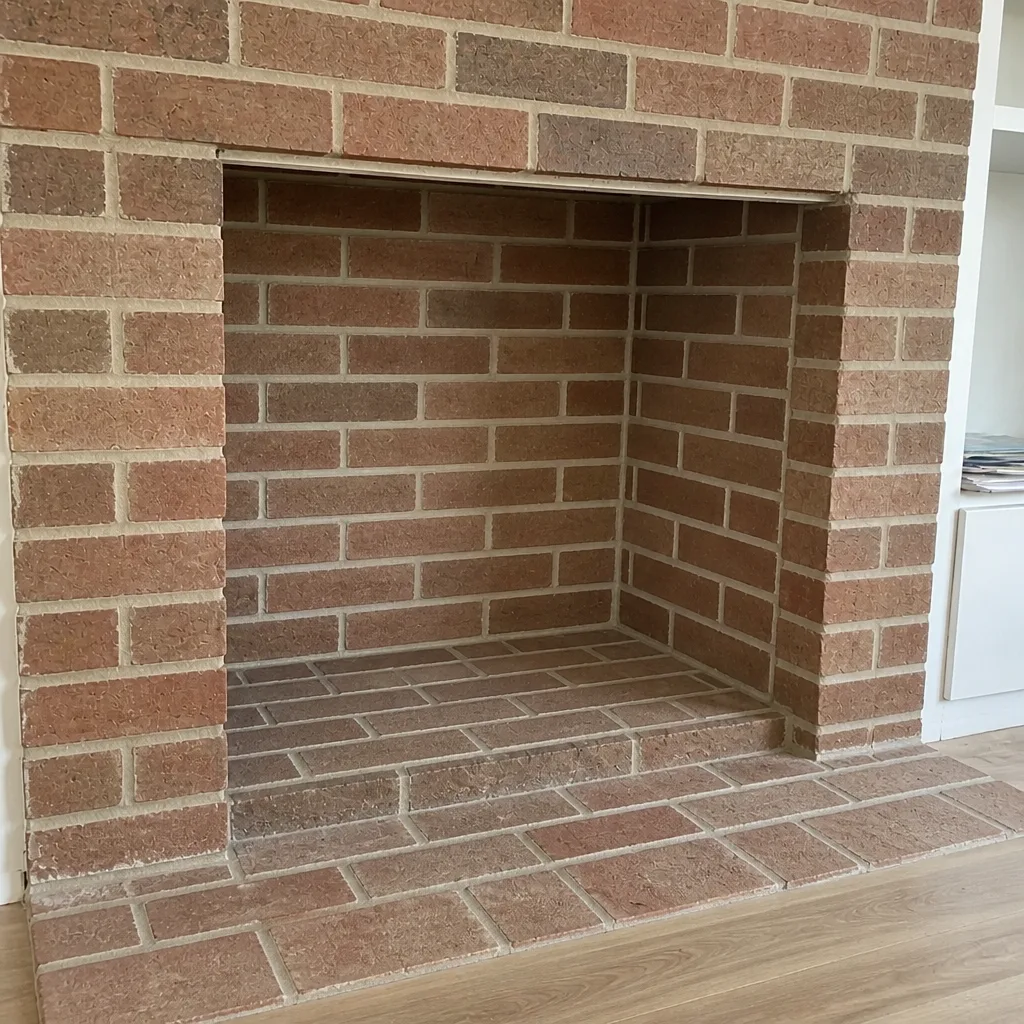
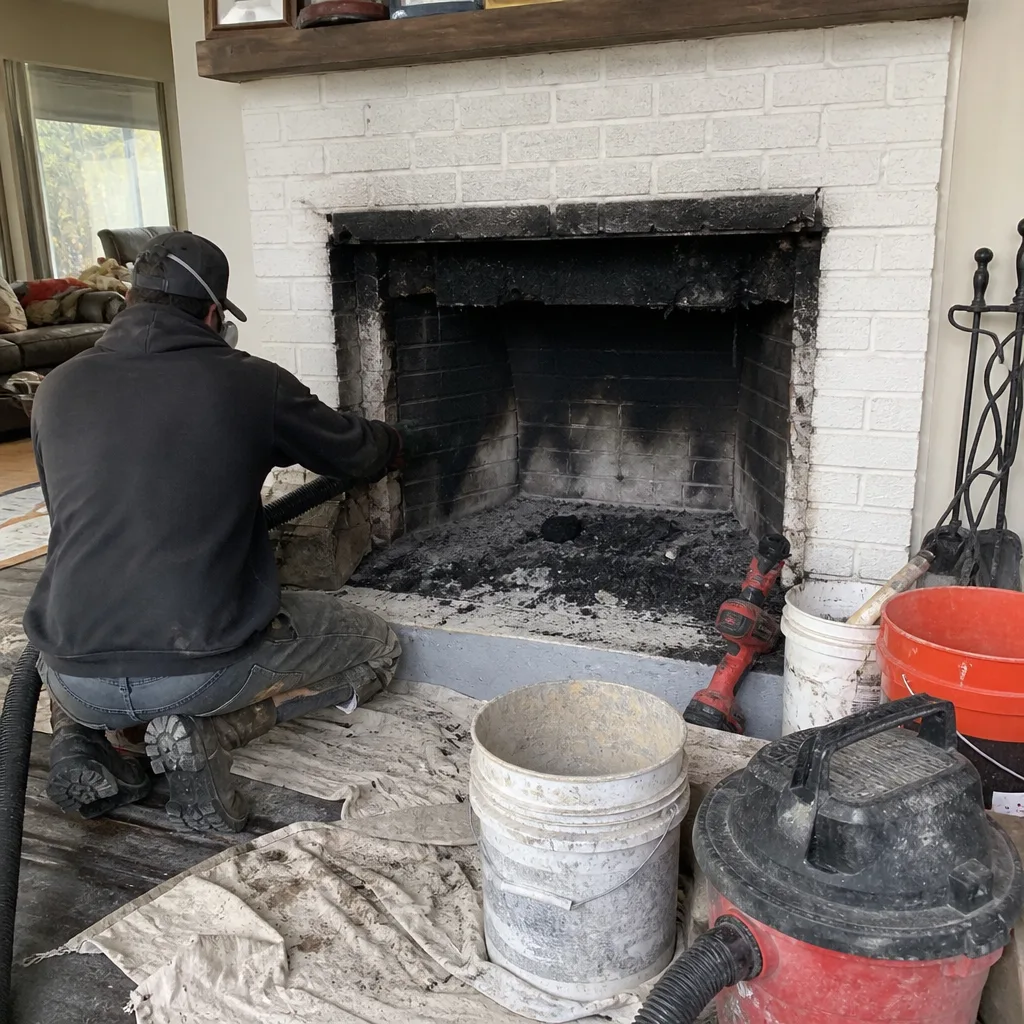
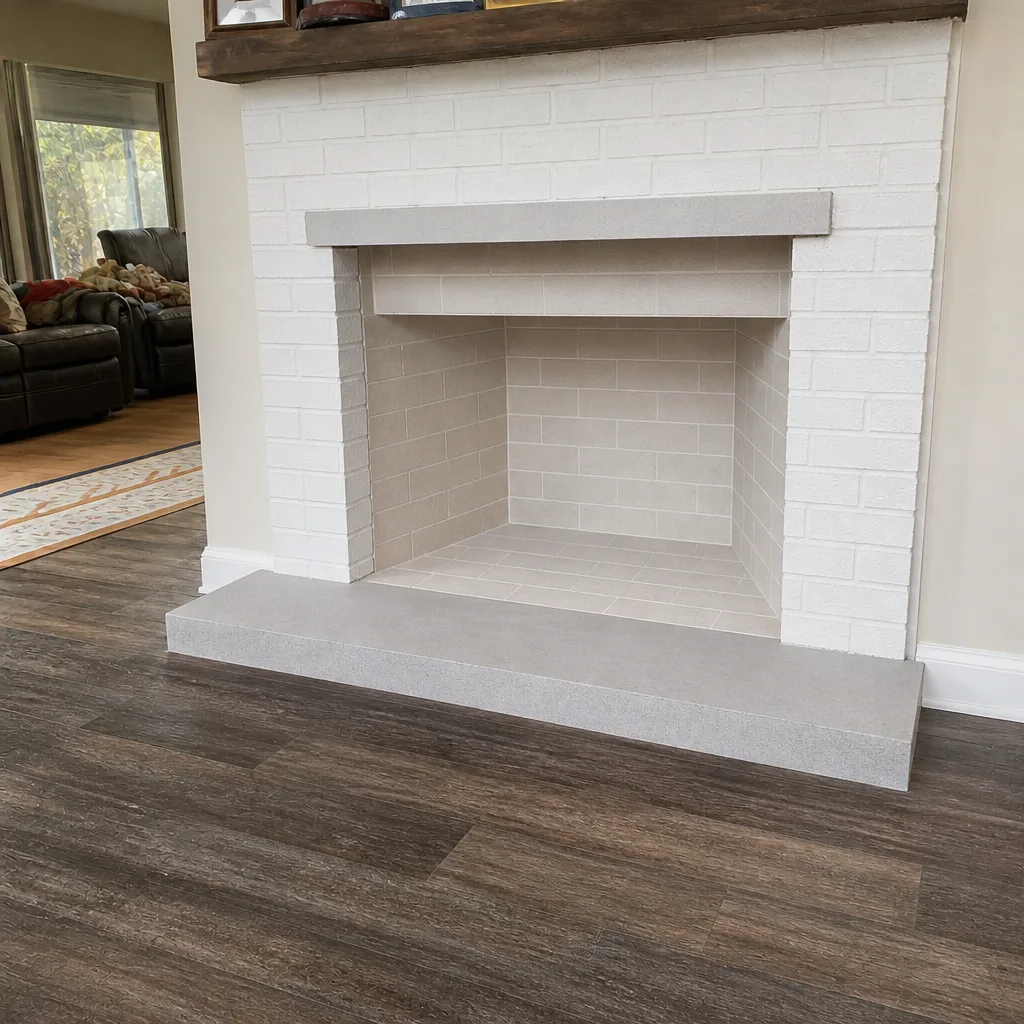
See the difference
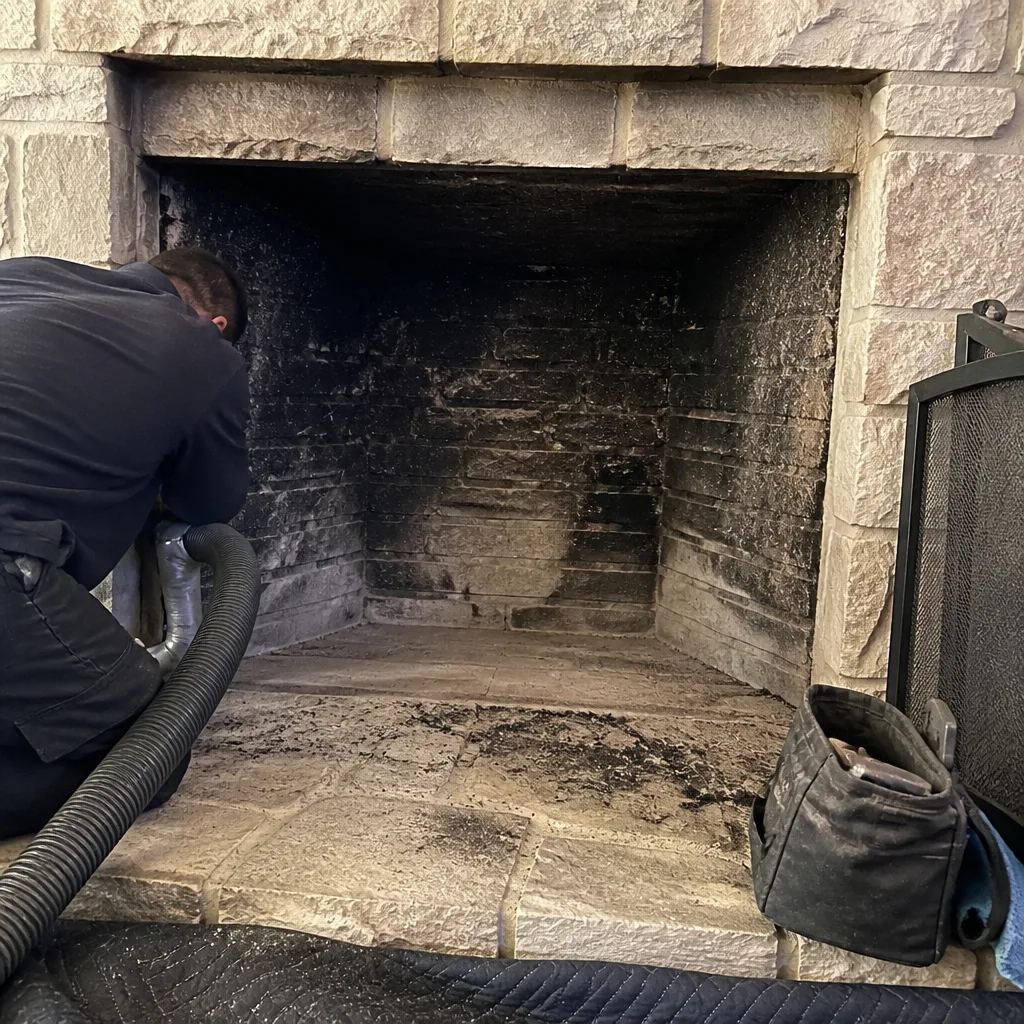 Before
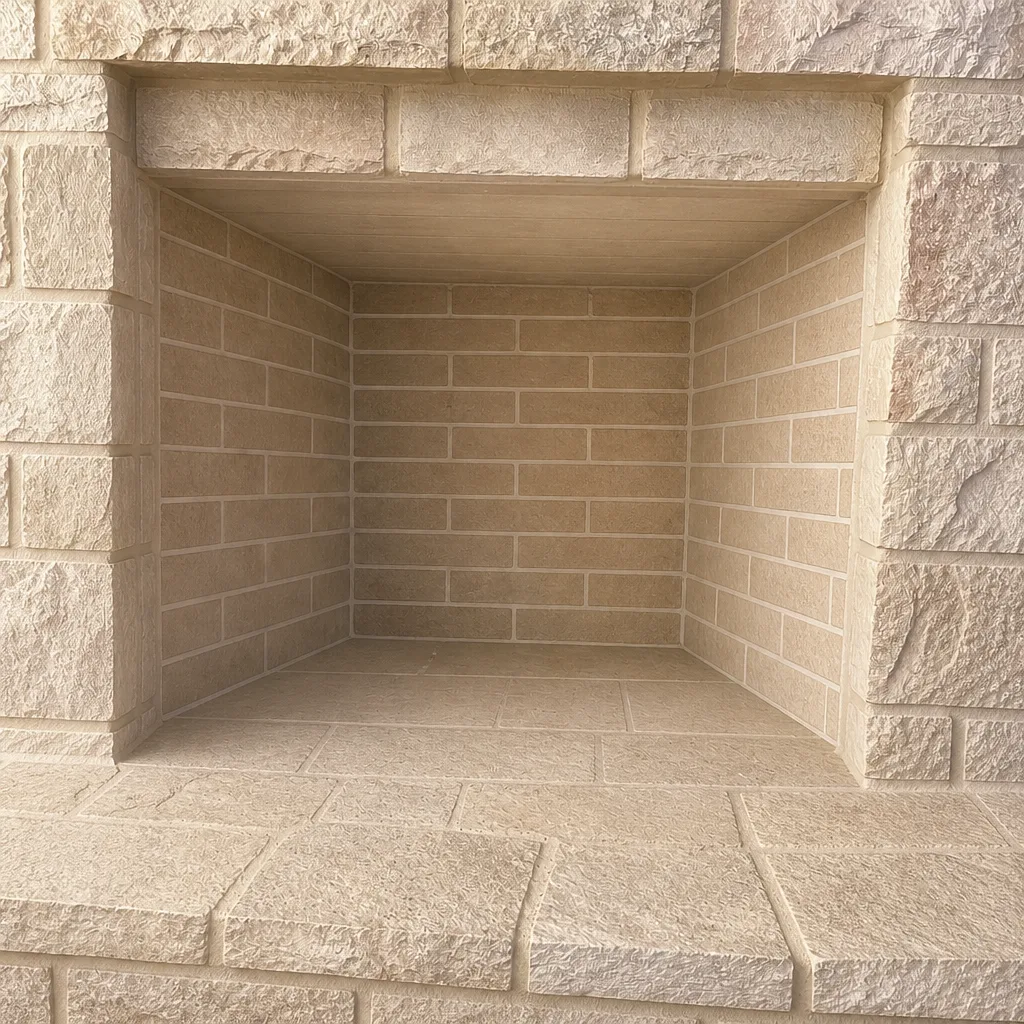 After
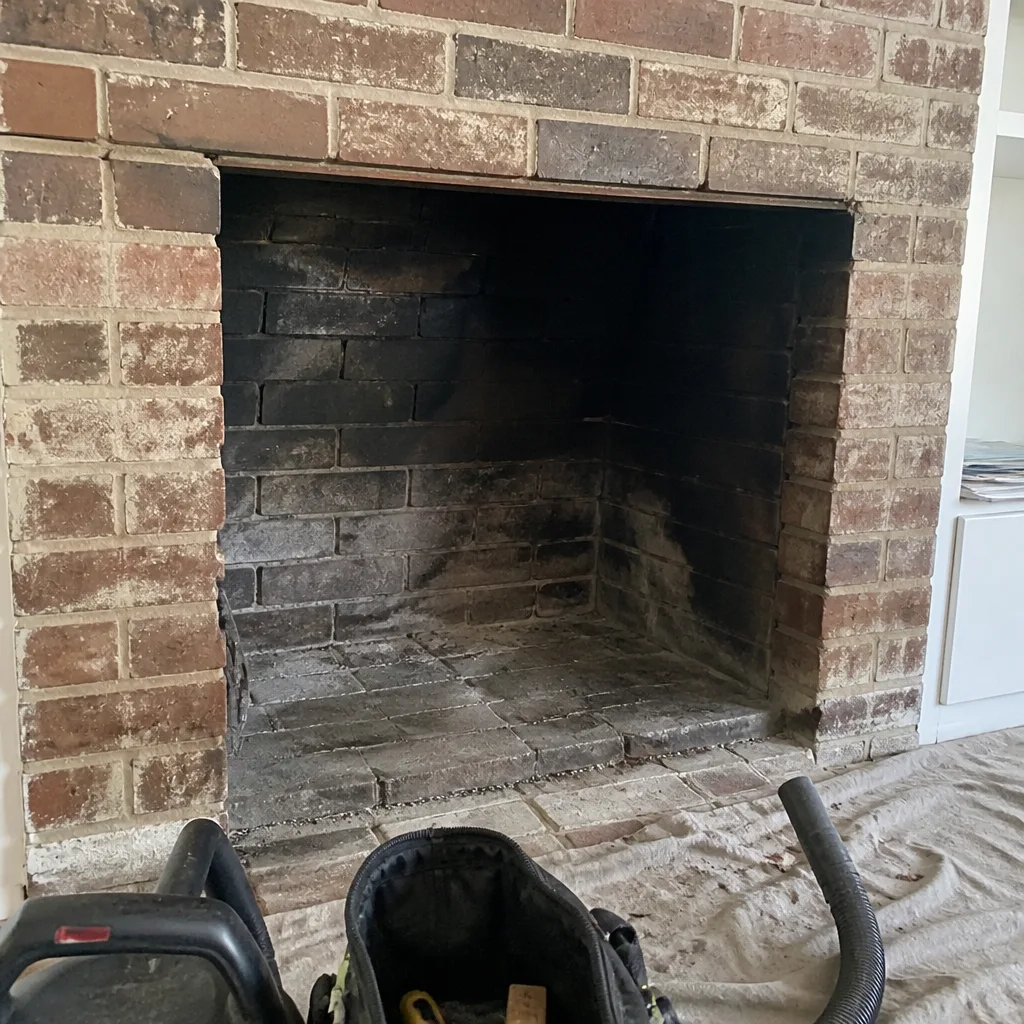 Before
 After
 Before
 After
When to Call a Professional
Call us when any of the following is true in your home. A loud roaring, rumbling, or popping sound from the flue during a fire. Smoke escaping from joints, the damper, or around the firebox. A hot-metal or acrid creosote smell that doesn’t come from the fire itself. Your carbon monoxide alarm sounds. Your chimney pipe glows or the masonry is discolored. A previous chimney fire occurred and the chimney hasn’t been inspected since. You see soot or debris on the chimney cap or notice birds in the flue in spring. Your last inspection was more than a year ago, or you’ve never had one in this home.
For chimney fire emergencies, get everyone out and call 911 first. For everything else, we’re your chimney partner for Oklahoma City. Linden Chimney Cleaning offers free estimates in Oklahoma City – call (866) 334-8781. We answer 24/7. Fast dispatch from 7am to 7pm, Sunday through Friday. Our technicians have up to 8 years of experience, and every job we do is a chimney job.
Frequently Asked Questions
Listen and smell, not just look. A low roar, a rumbling sound, popping creosote, a hot-metal or creosote odor, smoke at joints or the damper, or heat shimmer on the pipe all mean the fire is active inside the flue even if the firebox looks quiet. If any of those are present, get everyone out and call 911. A qualified chimney inspection before re-use is the only way to confirm it’s truly out and the flue is intact.
Because the inspection is the evidence. A post-fire chimney inspection documents the condition of the flue, firebox, crown, and cap as they stood after the event, with photos. That record is what your insurance carrier will need for a claim, and it’s what tells us whether cleaning is safe at all. If the liner is cracked, sweeping can disturb it further; the inspection comes first. Call (866) 334-8781 and we’ll walk you through the order.
Not until a professional has inspected the flue. Fire department clearance is about whether the house is safe to occupy, not whether the chimney is safe to use. A cracked clay tile, a warped metal flue, or a hidden hot spot can sit unnoticed until the next fire pushes carbon monoxide into the house. Call (866) 334-8781 for an inspection before your next burn.
Three are common here: nests and animals plugging uncapped flues in spring; hairline cracks in masonry and clay tile after winter ice storms and freeze-thaw cycles; and heavy creosote buildup restricting draft and pushing exhaust back into the room. All three are invisible from the living room. A CO alarm on every level, a capped chimney, and an annual inspection are the practical defenses. If your alarm sounds, get out and call 911, then call (866) 334-8781 for an inspection before re-lighting.
A written inspection report with photographs, taken before any cleaning, covering the flue interior, firebox, smoke chamber, damper, crown, cap, flashing, and the appliance connection. Include the fire department’s incident number and the date and time of the event. Notify your insurer promptly; you can submit the report once an inspection is done. Call (866) 334-8781 to schedule a documented post-fire inspection.
Once a year for a regularly used wood-burning fireplace, and more often if you burn hedge or damp wood. Inspect before every burning season and after any chimney fire, ice storm, or signs of animals in the flue. Booking in late summer or early fall gives time to make any needed repair before the season starts. Call (866) 334-8781 to book a sweep and inspection and to get a free estimate for any repair work.
The Bottom Line
Chimney fire and carbon monoxide emergencies differ from the storms Oklahoma City homeowners already prepare for: the warning signs are subtle and the response window is short. Learn the internal signals – roar, rumbling, popping, hot-metal or creosote smell, smoke at joints, glowing pipe – and react to them as fast as you would to a tornado siren. Get everyone out, call 911, close the damper only if you can do it safely, and never use the fireplace again until a professional has inspected the flue. Before each burning season, check the cap, watch the fire for weak draft, and book a professional inspection early. A clean flue and a written account of what we found is the baseline, not a luxury. To book a chimney sweep, chimney inspection, or chimney repair anywhere in Oklahoma City, call (866) 334-8781 for a free estimate. We inspect it, clean it, and fix it – all under one company.
Written by the team at Linden Chimney Cleaning.