
Last updated November 16, 2026
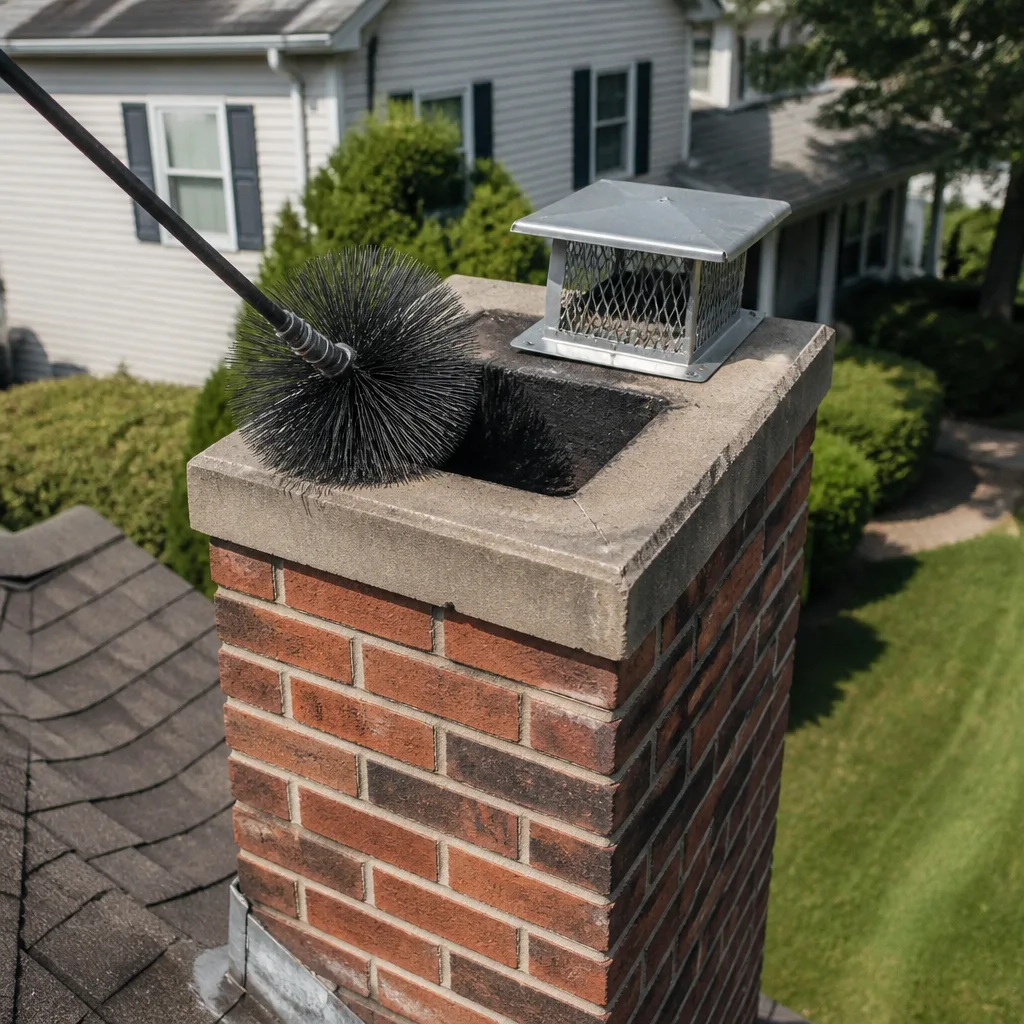 Sweep & inspection
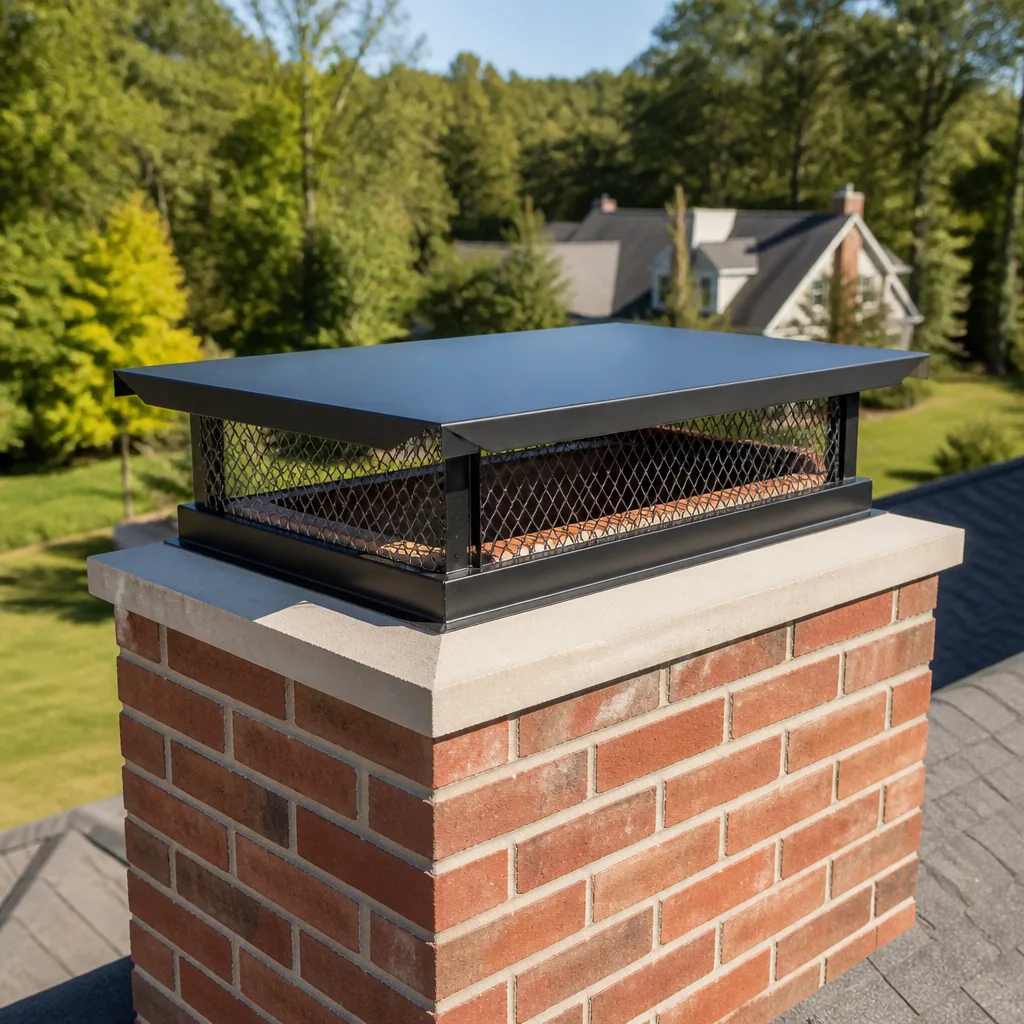 Caps & crowns
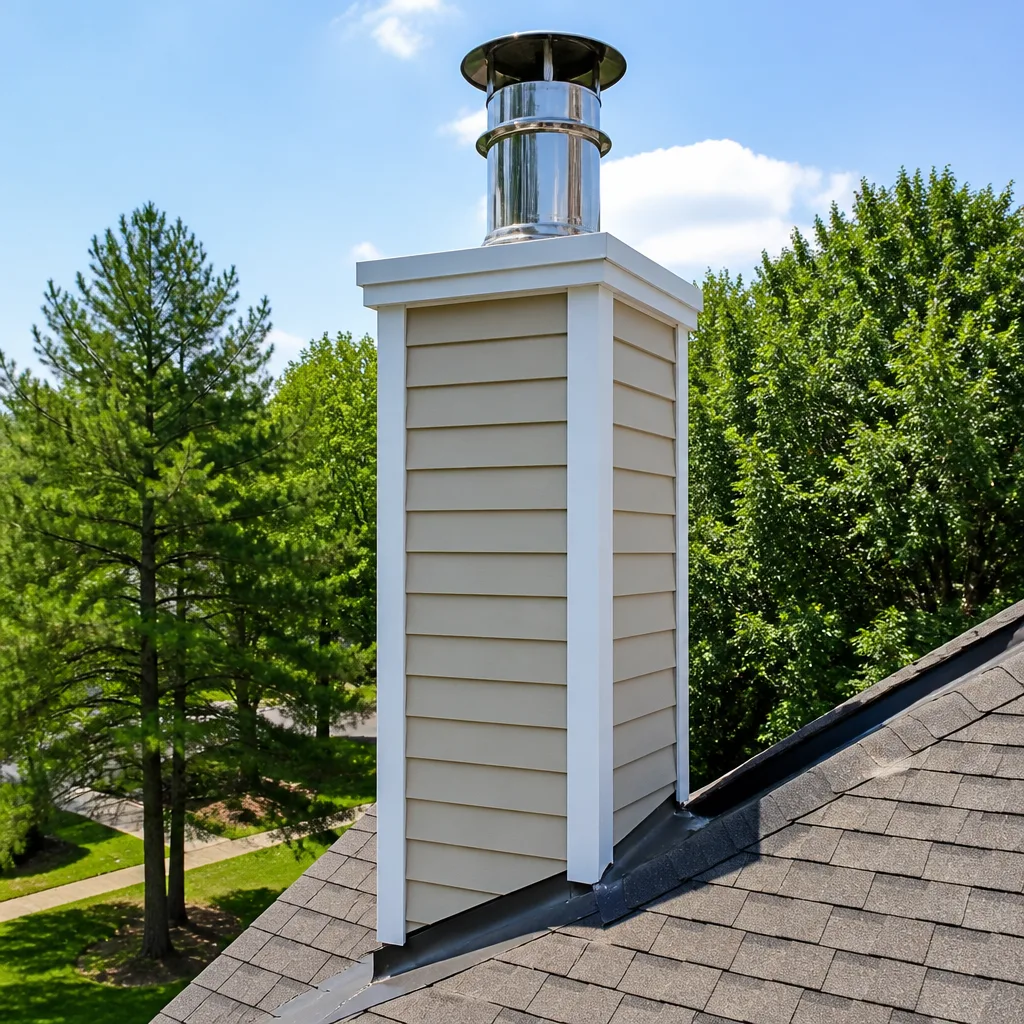 Flue relining
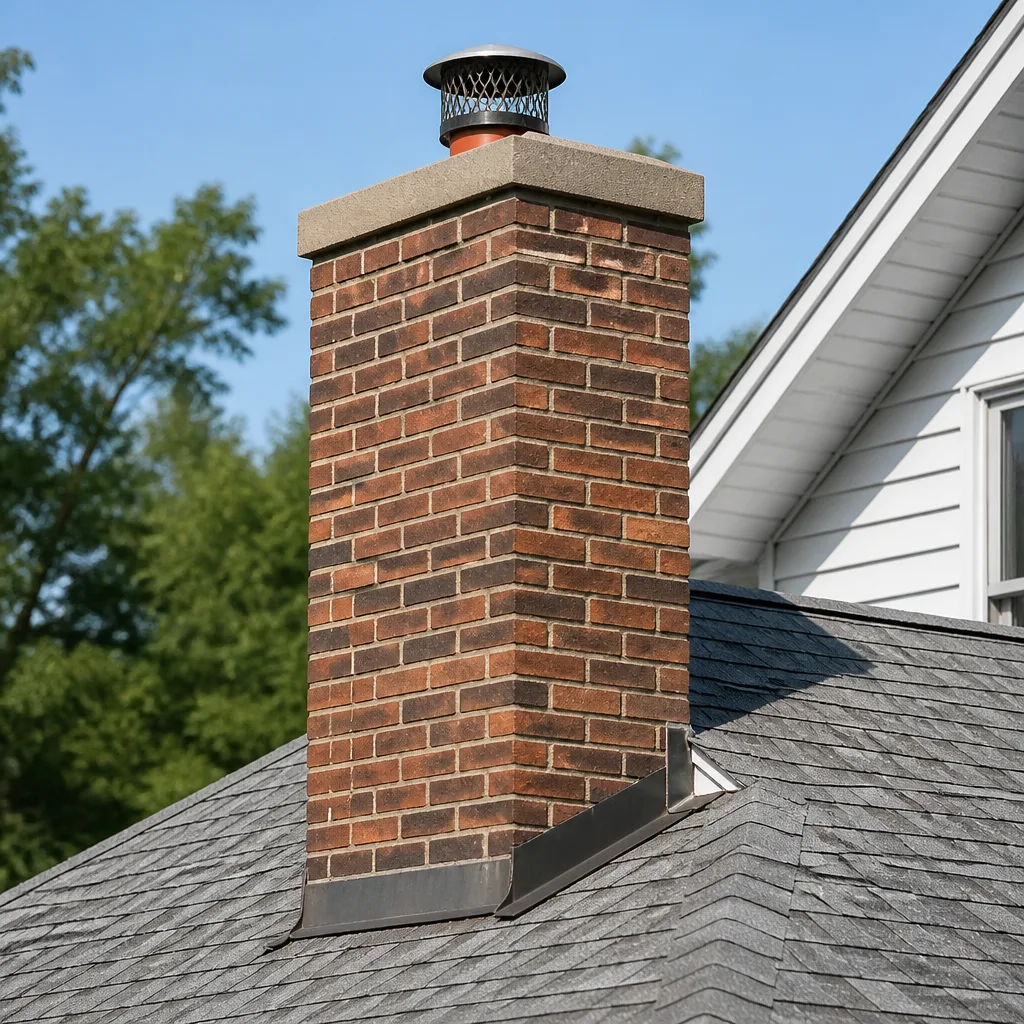 Masonry repair
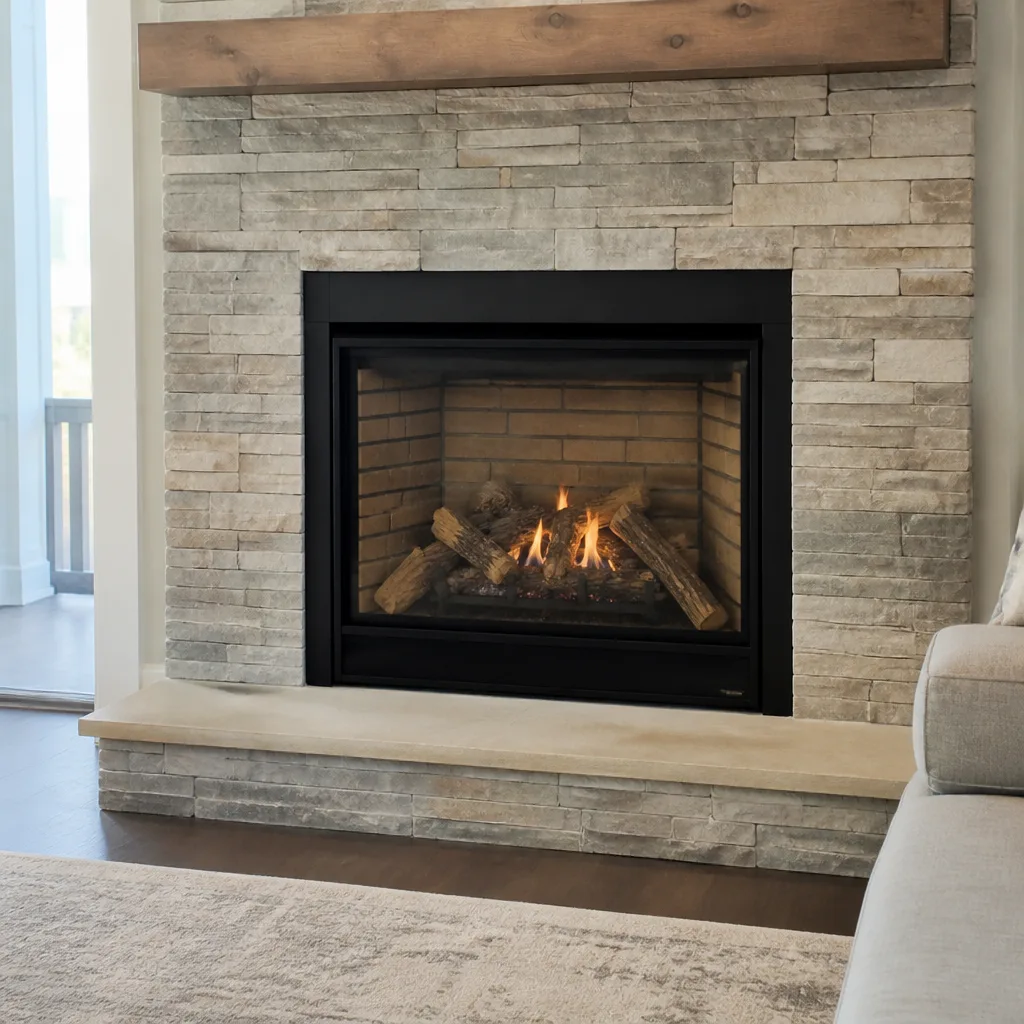 Gas fireplace service
Level 1 sweep and inspection to the NFPA 211 annual standard - flue, crown, cap, and flashing checked and photographed
Chimney sweep logs do not sweep chimneys. They loosen some creosote - which then falls where a brush and vacuum still have to collect it.
Choosing the Right Chimney Cleaning Brand: A Buyer’s Guide for Oklahoma City
The chimney cleaning log you drop in your fireplace works by a different mechanism than the chemical treatments a certified technician applies to Stage II creosote. One is a maintenance aid. The other is a professional remediation tool. Confusing them is how Stage II creosote stays in the flue and becomes a fire risk, and it’s the single most common misunderstanding we run into when Oklahoma City homeowners start asking about products and brands. This guide is about the brand behind the work, not the bottle on the shelf. We’ll walk through which product categories have no consumer equivalent, how to ask a contractor the right questions, and what their answers reveal about how they actually operate.
Styles & brands we work with
- Sweep & inspection
- Caps & crowns
- Flue relining
- Masonry repair
- Gas fireplace service
Quick Answer
Choosing the right chimney cleaning brand in Oklahoma City means choosing a provider whose product and material roster you can verify: professional-grade rotary systems, high-temperature inspection cameras, chemical creosote modifiers, and recognized trade materials like DuraFlex liners or HeatShield resurfacing compound. A technician who can name the brands they use, explain why, and match each product to a specific problem is operating at a professional standard. A technician who can’t is likely doing consumer-grade work.
Table of Contents
- Why the Chimney Product Market Splits in Two
- The Professional Product Categories With No Consumer Equivalent
- Where Product Choice Matters Most: Stage II Creosote
- Smoke Chamber Resurfacing and Crown Sealing
- How to Ask a Contractor Which Brands They Use
- What “Professional-Grade” Actually Means in Spec Terms
- What Oklahoma City Conditions Do to Product Choice
- Common Mistakes to Avoid
- When to Call a Professional
- Frequently Asked Questions
- The Bottom Line
Why the Chimney Product Market Splits in Two
Walk into a hardware store and you’ll find chimney brushes, creosote logs, spray-on soot removers, and pourable powders. Walk into a professional supply house and you’ll find something different: rotary whip heads, poly and wire brush assemblies rated for specific flue types, creosote conversion chemicals applied under controlled conditions, high-temperature inspection cameras, refractory mortar systems, and flexible stainless liner kits. These are two separate markets with two separate intents, and they barely overlap.
Consumer products are designed for the homeowner who wants to extend the interval between professional cleanings. They’re mild, they’re applied without measuring flue conditions, and they’re formulated to be safe in untrained hands. Professional products are designed to solve specific problems a technician has diagnosed. That difference in intent is what a homeowner is really paying for when they hire a chimney specialist. The product is evidence of the diagnosis.
This matters in Oklahoma City because the housing stock here is varied. You have older brick homes in neighborhoods like Mesta Park and Edgemere with original masonry flues, mid-century ranch homes across the northwest side with clay tile liners, and newer construction out toward Yukon and Moore with factory-built fireplaces. Each of those systems calls for different cleaning tools and different repair materials. A provider working from a hardware-store shelf simply can’t cover that range.
At Linden Chimney Cleaning, our materials come from a vetted roster of recognized trade brands, and the reason is practical: the right product for a 1920s masonry flue isn’t the right product for a 2005 factory-built insert. The brand roster exists so the technician has the correct option on hand rather than an approximation.
The Professional Product Categories With No Consumer Equivalent
Three categories of equipment and chemistry live entirely in the professional market. If a contractor you’re interviewing doesn’t recognize these, that’s a meaningful signal.
1. Rotary cleaning systems
Rotary cleaning uses a motorized whip or chain assembly that spins inside the flue, contacting the walls at consistent pressure and speed. It removes glazed creosote and hard soot deposits that a hand brush skips over. Consumer equivalents don’t exist because the equipment requires a power source, speed control, and a technician who knows how to avoid damaging clay tile or stainless liner. A hand brush works fine for light, powdery soot. It does almost nothing to a glazed third-degree deposit.
2. High-temperature inspection cameras
A chimney inspection camera has to survive heat and a corrosive environment while producing a clear image inside a flue that may be eight inches wide and thirty feet tall. The camera feeds video to a monitor the homeowner watches in real time. This is the difference between “your flue looks fine” and a photo record of what’s actually up there. When we talk about a written account of what we found, the camera is where that account comes from.
3. Chemical creosote modifiers
These are formulated compounds that change the chemistry of creosote so it can be removed or so it stops accumulating. They’re applied with attention to stage and volume, and they’re not the same as a creosote log. We’ll cover that in the next section.
A contractor’s answer when you ask “what rotary system do you use” tells you whether they own one. Many single-service sweeps don’t. The chimney sweep we perform in Oklahoma City is built around the diagnosis first and the tool second, because the opposite order wastes everyone’s afternoon.
Where Product Choice Matters Most: Stage II Creosote
Creosote forms in three recognizable stages, and the stage determines the treatment. This is the single clearest place where the professional-versus-consumer gap becomes a safety question.
- Stage I is light, flaky soot. It brushes off with standard cleaning tools. A consumer brush can handle a light coat in a smaller flue, and it’s a reasonable supplement between professional services.
- Stage II is a hardened, crusty deposit that clings to the flue wall. Hand brushing knocks off the top layer and leaves the base. Removing it requires rotary tools and sometimes a chemical modifier applied ahead of the cleaning to soften the crust.
- Stage III is glazed, hardened creosote that looks like a varnish coating baked onto the tile. This is the fire-risk stage. Removing it requires the rotary system and, in some cases, professional-grade chemical treatment applied over a period before the mechanical cleaning.
The creosote log sold at the hardware store works by releasing compounds into the fire that make existing deposits brittle. That can help a lightly fouled flue over time. It does not remove Stage II deposits, and it does nothing meaningful to Stage III. If you have a glazed flue and you drop a log in and call it handled, the dangerous layer is still there. That’s the confusion the opening paragraph of this guide is about.
A professional-grade creosote modifier is applied in the right quantity, applied with the flue’s condition known ahead of time, and followed by mechanical removal. The product isn’t magic; it’s a step in a sequence that a technician controls. Oklahoma City’s burning season is long enough that creosote accumulates steadily through the colder months, and homes that burn oak, hickory, or the mixed hardwood sold locally tend to build deposits faster than homes burning seasoned softwood.
Smoke Chamber Resurfacing and Crown Sealing
Two repair categories sit above and below the flue itself: the smoke chamber above the damper, and the crown at the top of the chimney. Both are places where consumer-grade products fall short, and both are where a specialist provider earns the “specialist” part of the description.
Smoke chamber resurfacing
The smoke chamber is the sloped space between the top of the firebox and the bottom of the flue. Older construction left it corbelled with rough brick, which creates turbulence and traps creosote. Resurfacing smooths that surface so smoke moves up cleanly. The product used for this is a refractory parging compound that has to bond to masonry and withstand heat cycling. HeatShield is a recognized resurfacing compound in this category, and its presence in a contractor’s toolkit tells you they can perform ceramic flue restoration without a full rebuild.
Crown sealing
The crown is the concrete cap at the top of the chimney that sheds water away from the flue. A cracked crown lets water into the masonry, and in a climate where you get freezing nights and thawing days in the same week, that water expands and splits the brick. Sealing products in this category are flexible, UV-stable, and formulated to move with the masonry rather than crack off it. We use materials from Gelco and Olympia Chimney for caps, covers, and crowns, and the reason is that the parts need to match the chimney rather than be trimmed to fit.
When a liner is damaged beyond cleaning, a flexible stainless system is the standard repair. We work with DuraFlex liner systems for full flue relining, which is a structural fix rather than a cosmetic one. That capability is the difference between a provider who can solve the problem and one who has to refer you out. The chimney repair side of our work exists because a cleaning-only operation can tell you something is wrong but can’t always fix it.
How to Ask a Contractor Which Brands They Use
The interview is where you separate a professional operation from a surface-level one. Ask these questions in this order, and pay attention to whether the answers are specific.
- “Which rotary cleaning system do you run?” A professional names the equipment or at least describes the system’s type and function. A vague answer (“we have all the tools”) is a signal.
- “What do you use for Stage II creosote?” You’re looking for a description of a chemical modifier plus mechanical removal, in that order. If the answer is “we brush it,” the technician hasn’t dealt with hardened deposits.
- “Do you use a camera on the inspection?” The answer should be yes, and you should expect to watch the monitor and receive photos. If the answer is “we look up with a flashlight,” that’s a visual check, not a camera inspection.
- “Which liner brands do you install?” Recognized trade brands are the answer. DuraFlex, HeatShield, and Olympia Chimney come up in this conversation with specialists. A blank look means the contractor doesn’t reline.
- “What cap and crown materials do you carry?” Gelco and Famco are recognized supply brands in this category. An answer of “whatever the hardware store has” is an answer.
- “Can you show me the product spec sheet?” A professional-grade material has a manufacturer spec sheet listing temperature ratings, application method, and cure times. Consumer packaging has a warning label. The spec sheet is the difference.
You don’t need to memorize brand names to run this interview. What you need is to listen for specificity. A contractor who can name products and explain why they use them is operating from a standard. A contractor who can’t is operating from habit. In our experience, the homeowners who ask these six questions before booking end up with a smoother service call, because the technician and the homeowner already agree on what the job is.
What “Professional-Grade” Actually Means in Spec Terms
“Professional-grade” is a marketing phrase until you look at the specification. Three things distinguish a professional product from a consumer one.
- Temperature rating. A refractory parging compound or a high-temperature sealant is rated for continuous exposure to flue gas temperatures. Consumer caulks and mortars typically aren’t, and they fail at the temperatures a working chimney reaches. The spec sheet states the continuous and intermittent ratings in degrees. Ask to see it.
- Application method. Professional products specify how they’re applied: troweled to a depth, sprayed at a pressure and distance, cured over a set time. Consumer products specify “apply to surface.” The application method is the reason a certified technician can achieve a result the homeowner can’t replicate.
- Longevity and compatibility. A flexible crown sealant is formulated to bond to masonry and move with thermal expansion. A liner system has to be rated for the appliance type it serves. These compatibility requirements show up in the manufacturer’s documentation. Consumer products are designed around a single generic use because the manufacturer doesn’t know your flue.
The reason industry-trusted brands carry weight isn’t a loyalty program. It’s that a product line with published specs and a professional supply chain behind it gives the technician a predictable result. Brands like Saver Systems and Rutland appear across the professional supply chain for the same reason: the supply chain exists to serve technicians who need consistency. A chemistry that behaves the same way on every job is worth more than one that’s cheap and unpredictable. When you ask a contractor which brands they use, you’re really asking whether they buy from a professional supply chain or a retail shelf. Those are two different operating models.
What Oklahoma City Conditions Do to Product Choice
Oklahoma City’s climate shapes which products a chimney specialist needs on hand. Freeze-thaw cycling is the biggest one. Winters here swing from freezing nights to mild days repeatedly, and that cycle works on masonry. Any product applied to the exterior of the chimney, a crown sealant or a cap, has to flex with that movement. A rigid product cracks and lets water in. A flexible one holds.
The wind matters too. Oklahoma City sits in a wind corridor, and wind-driven rain finds its way into chimneys that don’t have a properly sized cap. A cap from a supply brand like Famco or Copperfield is sized to the flue, not the nearest stock item. The wrong fit leaks.
The soil is the third factor. The expansive clay soils common across the metro area shift with moisture, and that shifting is hard on chimney footings. A crack in the chimney structure often starts at the base, and a technician who works the whole system, from crown to firebox, is the one who catches it before it becomes a rebuild. Homeowners in Nichols Hills and Heritage Hills with older homes know this pattern well.
None of this reaches the level of a code requirement you need to look up. It’s simply the environment a chimney in Oklahoma City lives in, and it’s why the product roster a provider carries matters more here than a generic description of cleaning would suggest. A product rated for a mild coastal climate performs differently in a climate with hard freezes and clay soil.
Common Mistakes to Avoid
- Treating a creosote log as a substitute for a sweep. The log softens deposits; it doesn’t remove them. If you’re relying on it to handle Stage II creosote, you’re leaving the dangerous layer in place and adding another burning season to it.
- Choosing a provider by price alone. A sweep that costs less because it’s a thirty-minute hand-brush visit isn’t the same service as a camera inspection plus rotary cleaning. Compare what’s included, not what’s charged.
- Not asking whether the inspection includes a camera. A visual check from the firebox tells you very little about the upper flue. In a home where the chimney hasn’t been opened in several years, the camera is the whole point.
- Hiring a general handyman for chimney work. Chimney repair products are formulated for fire-safety systems. A remodeling contractor with a tube of masonry caulk is not applying the right product to your smoke chamber or your crown.
- Skipping the cap because the chimney “drafts fine.” A chimney without a properly sized cap pulls in rain, and Oklahoma City’s wind-driven rain gets into the flue even when the weather looks calm at ground level. Water damage shows up later as a liner failure.
- Believing “professional-grade” without asking for the spec sheet. The phrase costs nothing to say. The spec sheet is the evidence. Any contractor should be able to produce one for the material they’re proposing to install.
- Waiting until the first cold snap to book. Inspection and repair work in Oklahoma City books up as burning season approaches. Getting the assessment done ahead of that window gives you time to schedule the repair without a rush.
When to Call a Professional
Some conditions call for a professional assessment rather than a homeowner product. If you’re not sure when your flue was last cleaned, if you’ve burned a full season or more since the last sweep, or if you’re seeing any glazed or crusty buildup when you look up from the firebox, it’s time to book an inspection. If smoke rolls out of the fireplace instead of going up, if you notice a strong creosote smell in warm weather, or if the masonry around the firebox shows cracks, those are reasons to stop burning until the chimney is checked. The same goes for any change in how the fireplace draws. A camera inspection answers these questions in a way a flashlight can’t.
Linden Chimney Cleaning offers free estimates in Oklahoma City. Call (866) 334-8781. We answer 24/7. Fast dispatch from 7am to 7pm, Sunday through Friday.
Frequently Asked Questions
Choose by asking the contractor which professional product brands they use and why. A provider who names specific materials, such as DuraFlex liner systems or HeatShield resurfacing compound, and can explain the application, is operating at a professional standard. A provider who can’t name their materials is likely working from consumer-grade products. Call (866) 334-8781 for a free estimate.
Creosote logs soften existing deposits so they’re easier to brush away, and they can help as a maintenance aid in a lightly fouled flue. They do not remove Stage II or Stage III creosote, and they’re not a substitute for a professional sweep. If your flue has hardened or glazed deposits, a technician needs to remove them with rotary tools and, in some cases, a chemical modifier. Call (866) 334-8781 to schedule an inspection.
A visual inspection looks at the accessible portions of the chimney from the firebox and the roof. A camera inspection sends a high-temperature camera up the flue and shows you the interior on a monitor in real time. The camera inspection is the one that produces a photo record of the flue’s actual condition. For any home that hasn’t been opened in a few years, the camera is what tells you whether a repair is needed. Call (866) 334-8781 for details.
A flexible stainless liner has to be rated for the appliance it serves and the temperatures that appliance produces. Recognized trade brands publish those ratings and specify the installation method. An unrated or mismatched liner can fail in ways that aren’t visible from the firebox. When a contractor proposes a reline, ask for the brand and the spec sheet. Call (866) 334-8781 for a free estimate.
Smoke chamber resurfacing requires a refractory compound formulated to bond to masonry and withstand heat cycling, and it needs to be applied to a specific depth and finish. That’s a chimney-specific product applied by a chimney-specific technician. A general handyman working with standard mortar is applying the wrong material to a fire-safety system. Call (866) 334-8781 to talk through your smoke chamber.
Freeze-thaw cycling works on masonry all winter, so exterior products like crown sealants and caps have to be flexible enough to move with the brick rather than crack off it. A rigid product fails faster here than it would in a milder climate. That’s one reason professional-grade flexible sealants and properly sized caps matter in Oklahoma City. Call (866) 334-8781 for an assessment.
The Bottom Line
The brand behind the work is the clearest signal of the standard behind it. Professional-grade rotary systems, high-temperature cameras, and chemical creosote modifiers have no consumer equivalent, and a contractor who can name them, explain them, and produce the spec sheets is operating from a professional supply chain. In Oklahoma City, where freeze-thaw cycling and wind-driven rain put specific demands on crowns, caps, and liners, the material roster matters even more. Ask the six questions. Listen for specificity. Treat the creosote log as what it is, a maintenance aid, not a solution. We inspect it, clean it, and fix it, all under one company. Our technicians have up to 8 years of experience, and every technician, tool, and stocked part is purpose-built for chimneys.
Call (866) 334-8781 for a free estimate. We answer 24/7. Fast dispatch from 7am to 7pm, Sunday through Friday.
Written by the team at Linden Chimney Cleaning.
See the difference
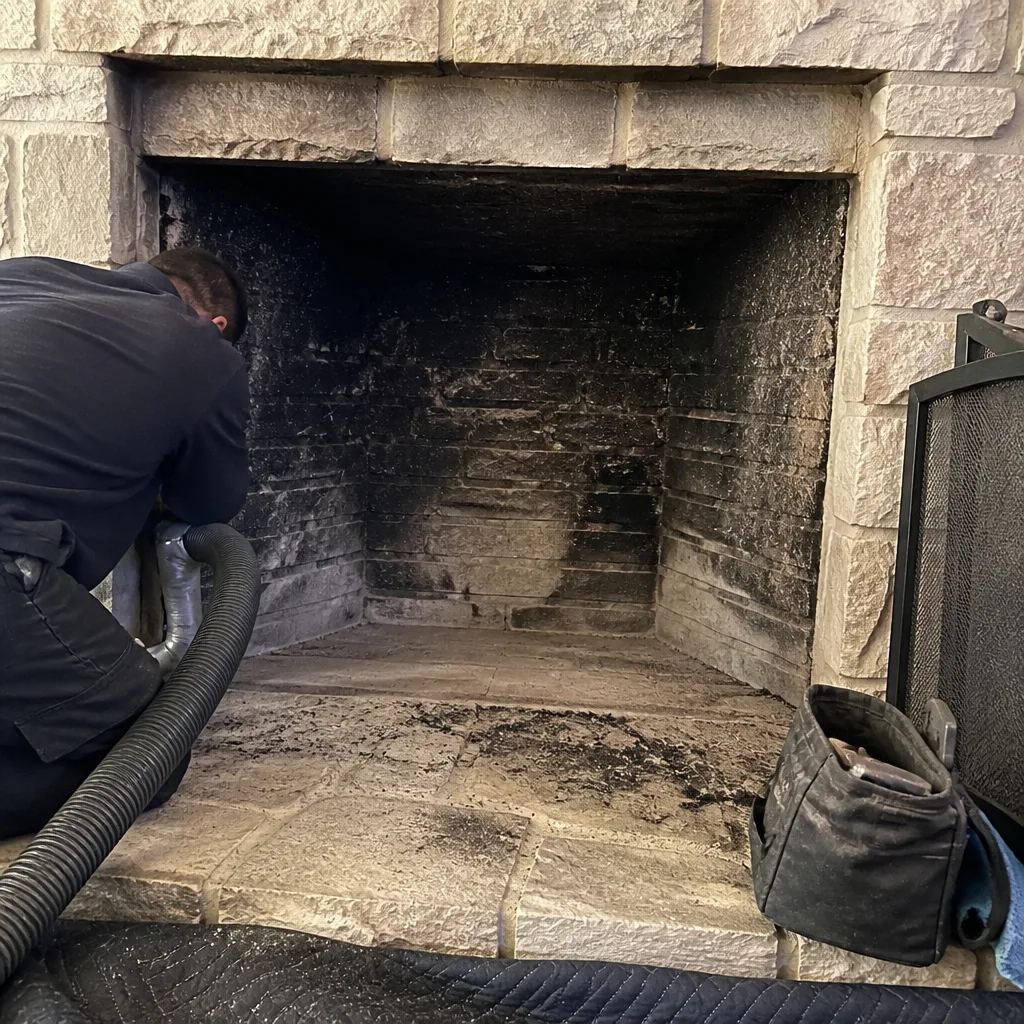 Before
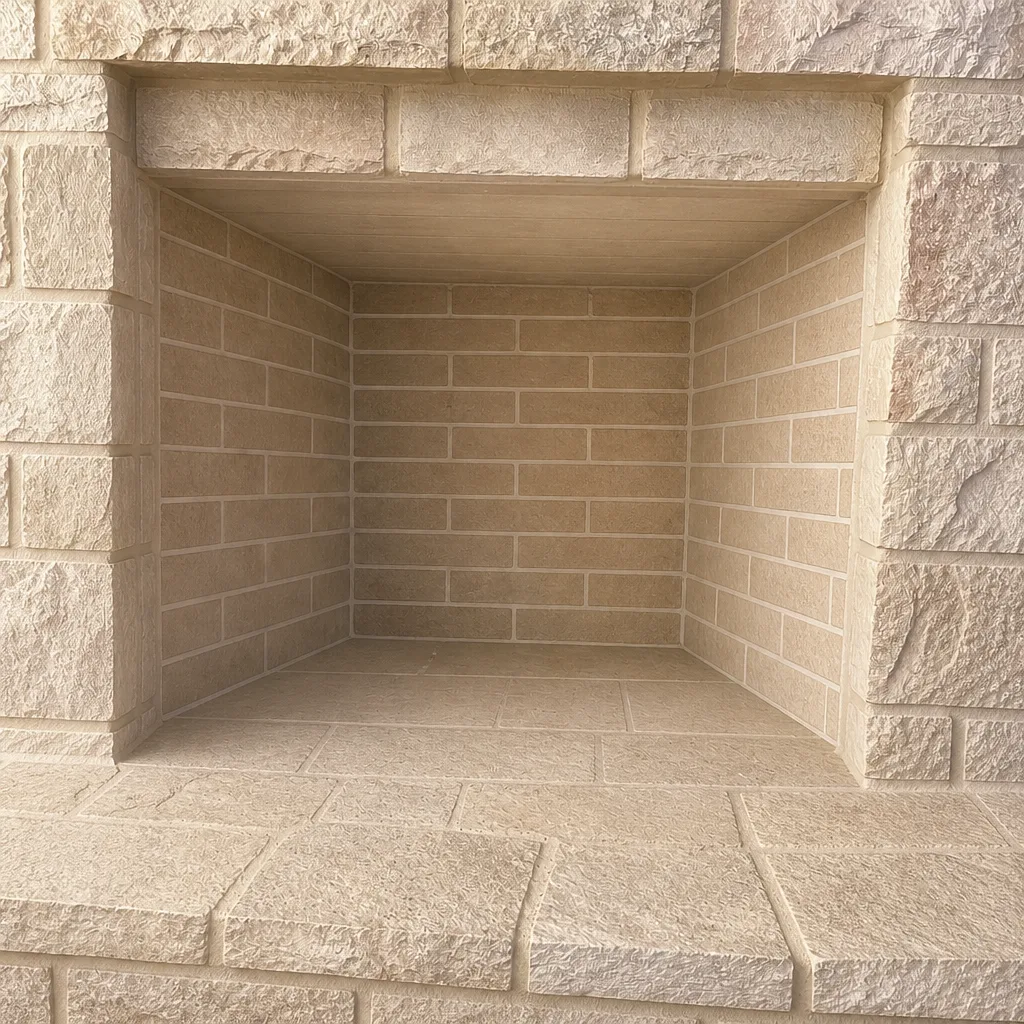 After
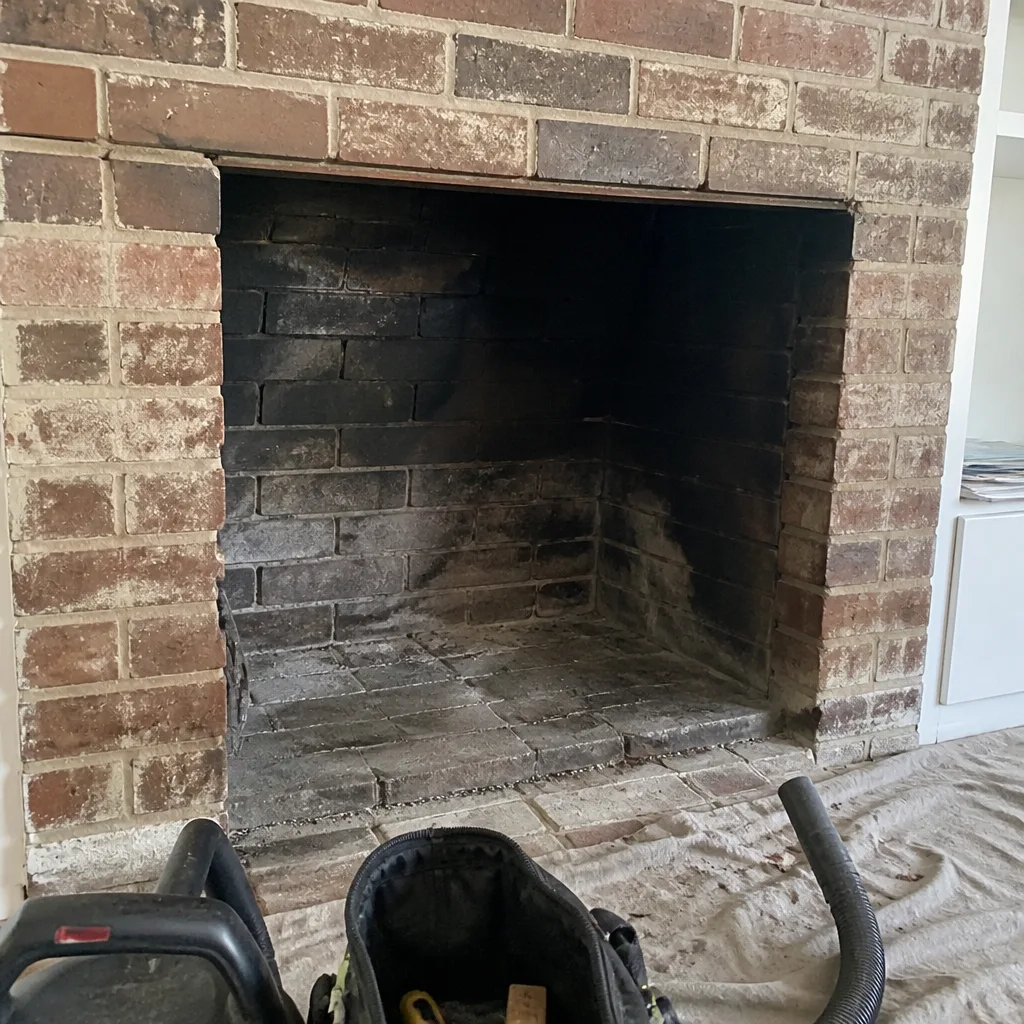 Before
 After
 Before
 After