
Last updated November 16, 2026
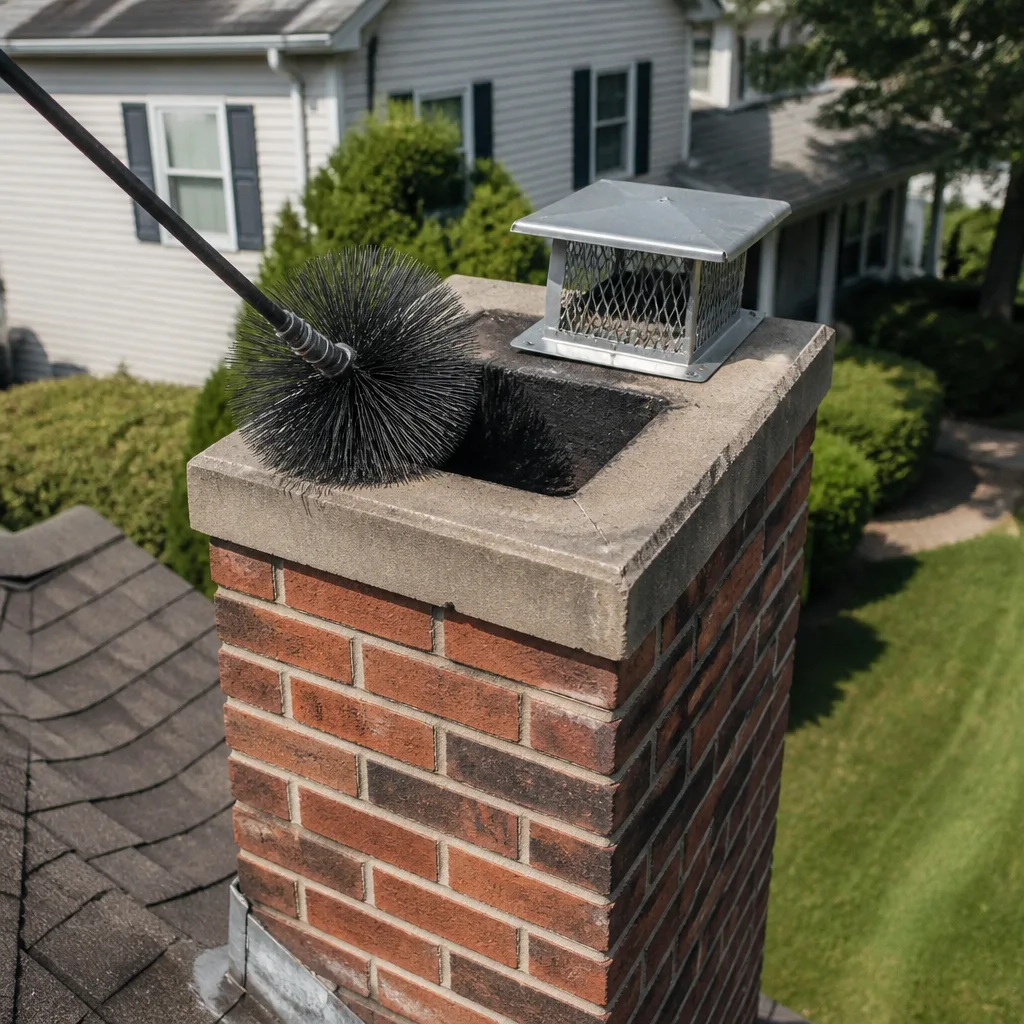 Sweep & inspection
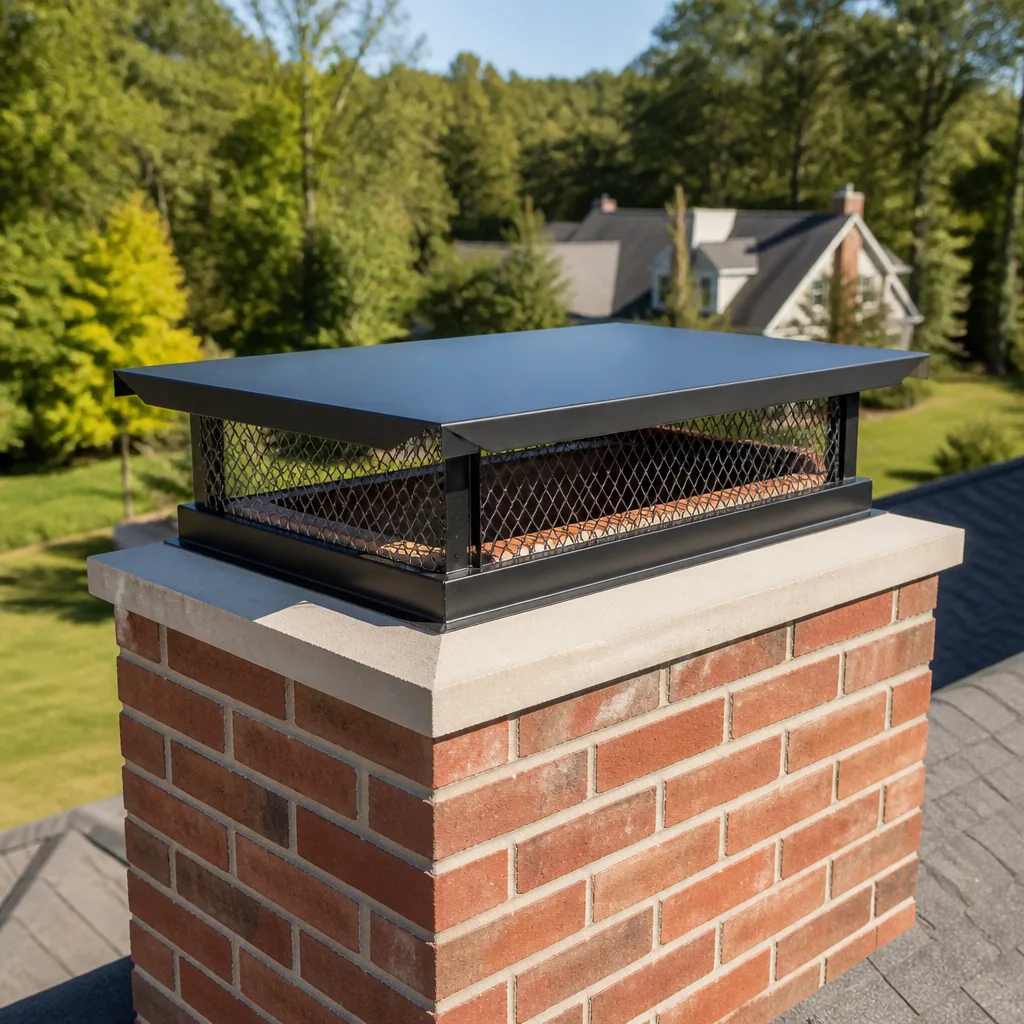 Caps & crowns
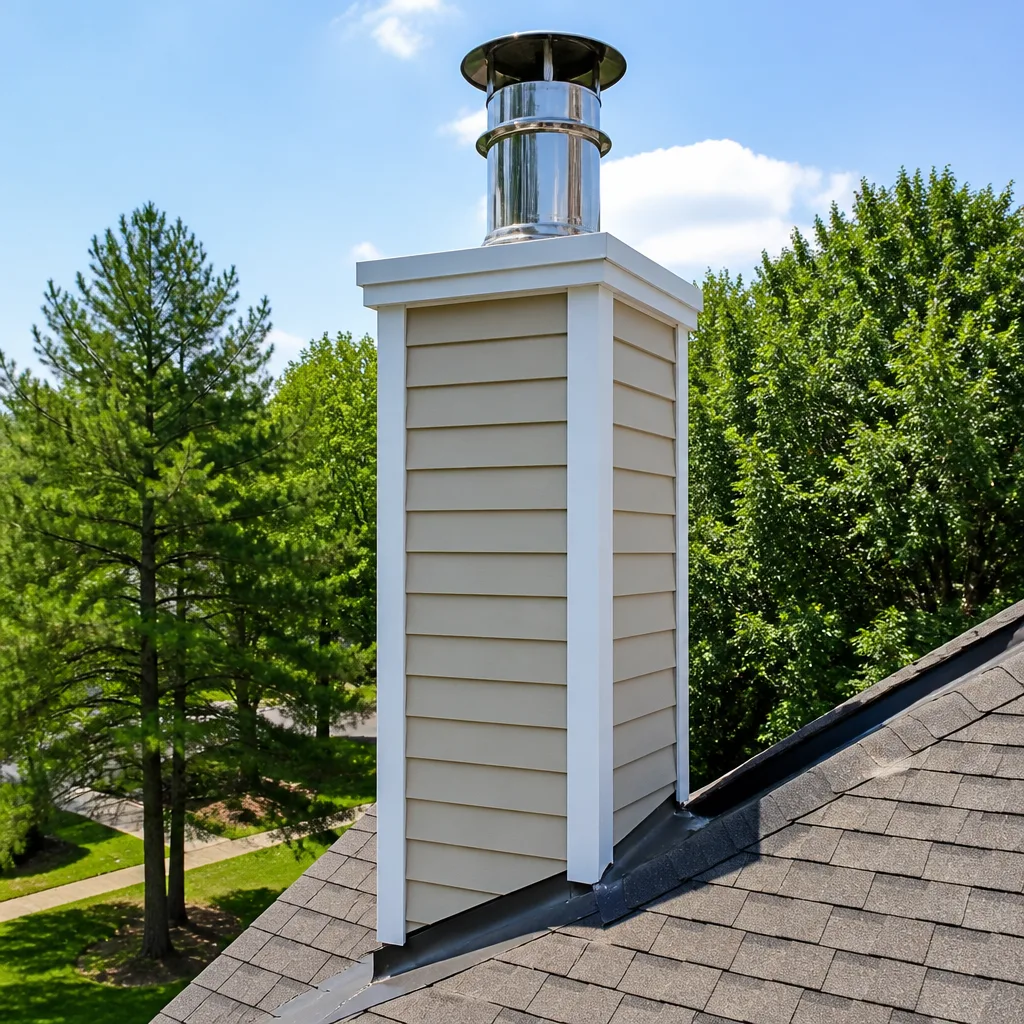 Flue relining
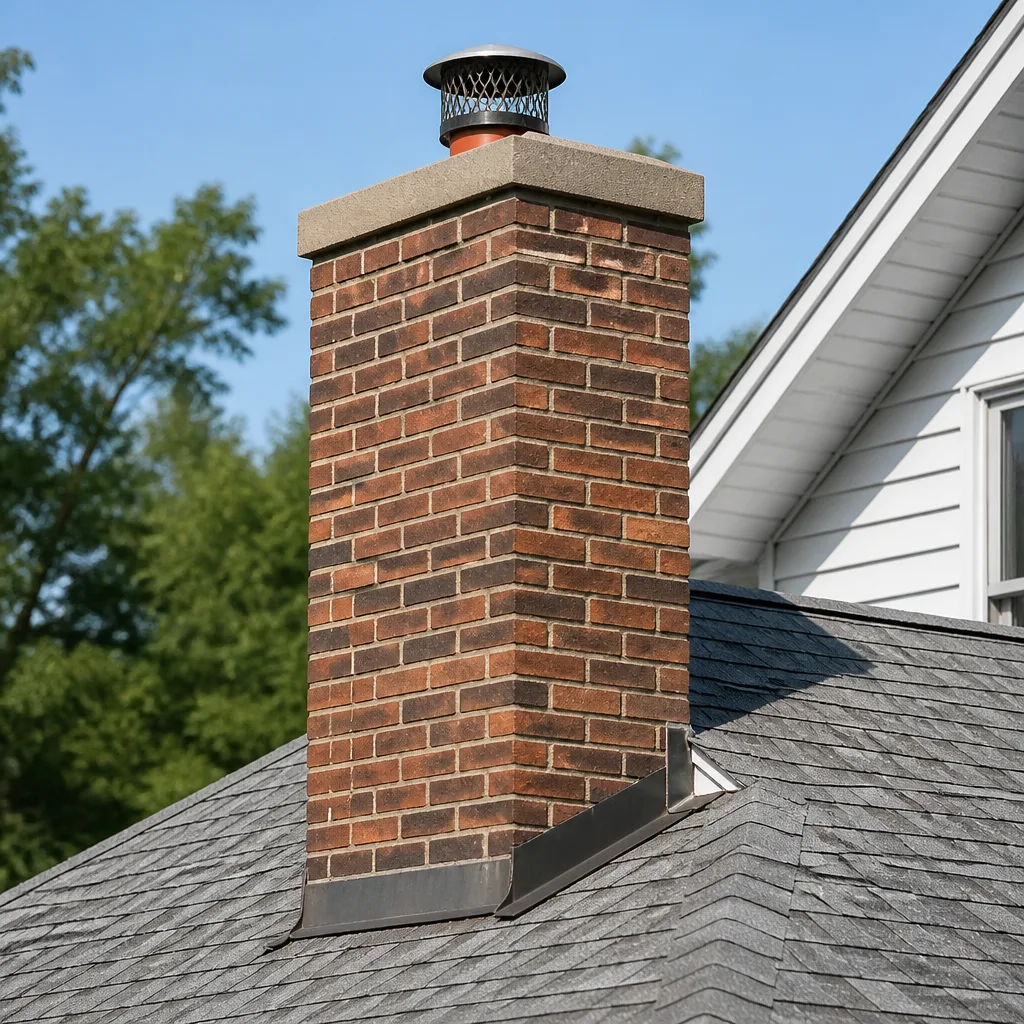 Masonry repair
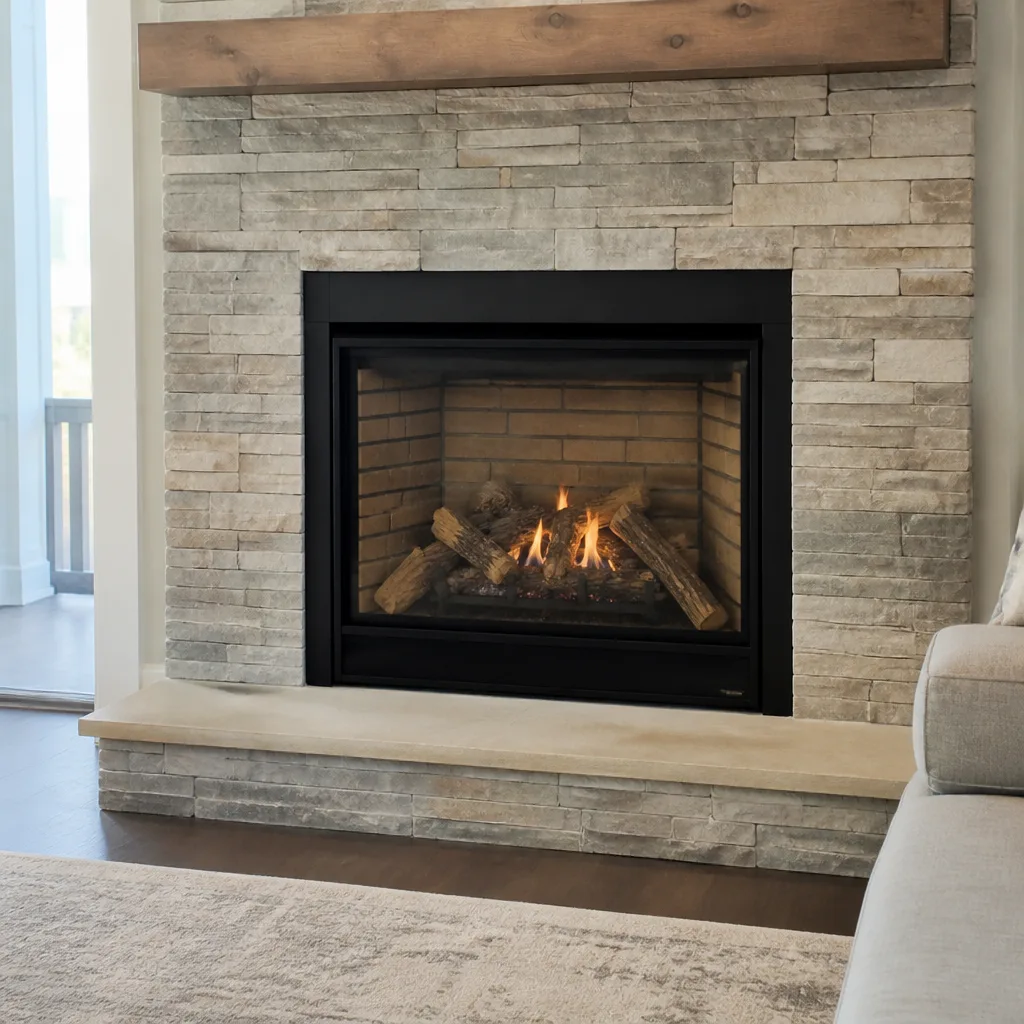 Gas fireplace service
Level 1 sweep and inspection to the NFPA 211 annual standard - flue, crown, cap, and flashing checked and photographed
Chimney sweep logs do not sweep chimneys. They loosen some creosote - which then falls where a brush and vacuum still have to collect it.
Chimney Sweep Troubleshooting in Oklahoma City: Common Problems and How to Fix Them
Most chimney symptoms homeowners write off as old-house quirks aren’t quirks at all. They’re data points. A fire that smokes only on cold mornings is telling you something different from one that smokes whenever the wind swings around from the south. A musty smell that appears after a spring storm is a different problem than a musty smell that never leaves. This guide teaches you to read those signals the way a technician does, so that by the time you call for service you can describe exactly what your chimney is doing. Oklahoma City homes have their own set of patterns, and we’ll walk through each one.
Quick Answer
Most chimney problems in Oklahoma City fall into a handful of diagnosable categories: backdraft from pressure imbalance or flue sizing, water intrusion through a failed cap or flashing, creosote buildup that has passed the sweep-cleanable stage, and settling cracks in the firebox. A professional inspection identifies which one you’re dealing with in minutes, and the fix depends entirely on getting that diagnosis right. Guessing leads to wasted money; a camera and a moisture reading lead to an answer.
Styles & brands we work with
- Sweep & inspection
- Caps & crowns
- Flue relining
- Masonry repair
- Gas fireplace service
Table of Contents
- Why Does My Fireplace Smoke Into the Room?
- Why Do Firebox Cracks Show Up Before Chimney Cracks in Oklahoma City?
- Why Does My Chimney Smell Musty After Spring Storms?
- What Does a Good Fire Look Like Compared to a Struggling One?
- Which Stage of Creosote Means You Need More Than a Sweep?
- How Do You Troubleshoot a Chimney Step by Step?
- Common Mistakes to Avoid
- When to Call a Professional
Why Does My Fireplace Smoke Into the Room?
Smoke entering the room, called backdraft, comes from one of three root causes. Each has a completely different fix, which is why “just clean it” rarely solves the problem on its own. In our experience across Oklahoma City, the pattern of when the smoke appears almost always points to which cause you’re facing.
Cause 1: Negative air pressure
Modern homes are built tight. New windows, added insulation, weatherstripping, and sealed attic penetrations all reduce the natural air exchange an older house had. When a gas furnace, kitchen exhaust fan, or bathroom fan pulls air out of the house, it has to come back in from somewhere. If the path of least resistance is down your chimney, smoke gets pushed into the room instead of up the flue. The tell: smoke appears when the furnace kicks on, when a fan runs, or on cold mornings when the heating system is working hard. The fix usually involves improving make-up air or extending the flue height, not a cleaning.
Cause 2: Flue sizing mismatch
A flue that’s too large for the firebox cools the smoke before it exits, and cool smoke is heavy smoke. A flue that’s too small chokes the fire and forces smoke back out. Either way you get a lazy, spilling fire. This is common in Oklahoma City homes where a fireplace was converted from wood to gas and back, or where an insert was added without matching the liner. The tell: the fire struggles regardless of weather, and the smoke spill happens most at startup and when the fire dies down. The fix typically means relining the flue to match the appliance, which is where products like DuraFlex flexible liner systems come in.
Cause 3: Actual blockage
A bird nest, a collapsed flue tile, or a heavy creosote shelf can close off the flue. Less air out means less air in, and the fire chokes. The tell: the problem came on suddenly, often after a storm, and you may notice debris in the firebox. The fix is mechanical removal, followed by a camera inspection to see what caused the blockage in the first place.
A quick way to narrow it down
- Note exactly when the smoke appears: on cold mornings, when a fan runs, when it’s windy from a particular direction, or all the time.
- Open a window a crack and see if the smoke reverses. If it does, you’re dealing with pressure.
- Check the firebox for debris after a storm. If you find any, suspect blockage.
- If the fire always struggles no matter the weather, suspect flue sizing.
That little bit of detective work is worth bringing to a chimney repair conversation. It saves diagnostic time and steers you toward the right fix.
Why Do Firebox Cracks Show Up Before Chimney Cracks in Oklahoma City?
Oklahoma City sits on expansive clay soil that swells when wet and shrinks when dry. That cycle repeats with every wet season and every dry spell, and it moves foundations. It’s one of the reasons chimney problems here often show up inside the house before they show up outside.
Here’s the mechanics. A chimney foundation is usually separate from the house foundation, or at least poured at a different time. When the clay moves, the chimney and the house move at slightly different rates. The chimney itself is built to take some of that movement. But the firebox is where rigid masonry, mortar, and heat stress all meet, and it’s the least forgiving part of the system. Hairline cracks in the firebox mortar joints are often the first visible sign that something has shifted.
What to look for:
- Stair-step cracks in the firebox mortar that follow the joint lines rather than the brick itself.
- A gap where the firebox meets the hearth that wasn’t there before.
- Cracks that widen and narrow with the seasons, which is the classic clay-soil signature.
- Crumbling mortar near the damper frame, where movement puts the most stress.
None of these mean the chimney exterior is cracked too. That’s the counterintuitive part. The exterior is a thicker, more flexible assembly than the interior firebox surface, and it can absorb the movement while the firebox does not. If we only ever looked at the outside of a chimney, we’d miss a lot.
A firebox crack that lets heat or embers reach the masonry behind it is a real fire hazard, not a cosmetic issue. That’s exactly the kind of finding a chimney sweep visit is designed to catch, because the sweep has eyes on the firebox before any cleaning begins. In our experience, clay-soil movement is one of the most common Oklahoma City-specific reasons firebox repair gets recommended, and HeatShield resurfacing is often the right answer when the damage is in the mortar rather than the brick.
The practical takeaway: if you see hairline cracks in your firebox, get an inspection before burning season. Catch it while resurfacing is still an option, and you may avoid a rebuild.
Why Does My Chimney Smell Musty After Spring Storms?
That wet, earthy smell that shows up after a storm is moisture getting into the chimney system while it’s warm outside and cold inside. Oklahoma City’s spring storm season drives a lot of calls about this. The trick is figuring out where the water is entering, because the three likely sources have three different fixes.
Source 1: A failed or missing cap
The cap covers the flue opening. If it’s missing, cracked, or rusted through, rain goes straight down the flue. A masonry chimney without a cap is a bucket. Gelco and Copperfield caps are standard replacements, and fitting one properly usually stops the problem immediately.
How to tell: the smell appears within a day of rain, and you may see water pooling in the firebox or damper area. Look up the flue with a flashlight and you’ll often see staining or dampness at the top.
Source 2: Flashing failure
Flashing is the metal collar where the chimney meets the roof. It’s sealed at the joints with sealant, and that sealant fails over time. When it does, water runs down the chimney chase instead of the roof. The musty smell may be stronger near the chimney than at the firebox, and you may see staining on the ceiling or the chimney breast inside the house.
How to tell: dampness appears after rain but the firebox stays dry, or water staining shows up on interior walls near the chimney. This isn’t a sweep problem. It’s a flashing repair, and Famco components are often part of the fix.
Source 3: Porous masonry absorbing humidity
Brick and mortar are porous. In a humid spring, the masonry can absorb enough moisture from the air that it stays damp even without rain. The smell is subtle but persistent, and it usually fades as the weather dries out. This is not a leak. It may point to a masonry water-repellent treatment down the road, but it’s rarely urgent.
Fast triage
- Look up the flue after a rain. Water visibly dripping means the cap is missing or failed.
- Check the ceiling near the chimney for stains. Stains point to flashing.
- Note whether the smell is worse near the firebox or near the roof line. Firebox means cap or masonry. Roof line means flashing.
- Note whether the smell depends on rain at all. If it never rains and the smell persists, it’s likely porous masonry.
If you’re not sure which you’re looking at, a chimney inspection settles it with a camera and a moisture reading. That’s the fastest way to stop guessing.
What Does a Good Fire Look Like Compared to a Struggling One?
You can diagnose a lot about your chimney just by watching your fire. A healthy fire has a clear set of visual signals, and a struggling fire has its own. Learning to read them takes about one evening of fire-watching.
Signals of a good fire
- Bright orange-to-yellow flames that curl upward and settle in a steady pattern.
- Smoke that goes up the flue cleanly, with almost nothing spilling into the room once the fire is established.
- A deeper roar at startup that settles into a steady hum.
- Coals that stay bright and don’t go out quickly.
- Very little smoke visible above the chimney from outside, once the fire has warmed the flue.
Signals of a struggling fire
- Flames that are dull orange, red, or purple-tinted. That often points to poor draft, wet wood, or insufficient oxygen.
- Smoke spilling into the room at startup or when a fan runs. That’s backdraft.
- A weak, smoky fire that won’t build and needs constant attention.
- Black smoke from the chimney. Black smoke means incomplete combustion and a fast path to creosote buildup.
- A fire that smokes only from a particular direction of wind. That’s a draft issue, not a wood issue.
Using the baseline
Watch your next fire for ten minutes and note the flame color and smoke behavior. If the fire builds well but smoke appears only when a fan runs, you’ve already narrowed it to pressure. If the fire never builds well regardless of wood, the flue is the suspect. If you see black smoke, stop burning and get a sweep scheduled. Reading your fire is a diagnostic tool you can use every season, and it makes any conversation with a professional far more productive.
Which Stage of Creosote Means You Need More Than a Sweep?
Creosote builds up in three stages, and only the first two can be handled with a sweep alone. Knowing the difference explains why some estimates include a chemical treatment or a reline and others don’t. It also explains why the answer to “how much will this cost” varies so widely from house to house.
Stage 1: Soot and light fluff
The early stage is dusty, easy to brush away, and rarely dangerous by itself. A standard sweep clears it in a normal visit. This is what regular annual sweeping keeps you at.
Stage 2: Crusty, flaky deposits
The second stage is harder and crustier. It comes off with a proper sweep using a rotary brush, but the job takes longer and the technician is likely to inspect more carefully afterward. Getting to stage 2 repeatedly suggests a burning-practice problem: wet wood, an unseasoned supply, or a fire run too cool for too long. A sweep clears it, and a conversation about burning habits keeps it from returning.
Stage 3: Glazed, hardened creosote
Stage 3 is the one that changes the plan. It’s a hard, shiny, glazed coating on the flue interior, and brushing does not remove it. Stage 3 creosote is the fuel for a chimney fire, and it’s a real hazard. There are two paths here:
- Chemical treatment, which is a staged process over multiple visits to soften the glaze so it can be swept away.
- Relining, when the flue tiles themselves are damaged or when the glaze is heavy enough that the only reliable fix is a new liner. DuraFlex flexible liner systems are what we use for a full reline, and they take the flue from a damaged state to a clean, correctly sized one.
This is the single most common reason two estimates for the same house can look so different. One company sees stage 1 and quotes a sweep. Another sees stage 3 and quotes a sweep plus treatment or a reline because that’s what the flue actually needs. A camera inspection is what tells you which one you’re looking at. And that’s the number one reason we insist on camera inspection in every visit: so you see exactly what we see before anyone recommends anything beyond a sweep.
How Do You Troubleshoot a Chimney Step by Step?
A technician’s troubleshooting process is mostly observation in a fixed order. You can replicate the first three steps yourself and bring the notes to your appointment.
Step 1: Describe the symptom precisely
Write down what the chimney is doing: the smoke, the smell, the fire behavior. Note when it happens: weather, fan use, season, and time of day. Include anything unusual, like debris in the firebox or a stain on the ceiling. Precision here is worth a lot.
Step 2: Check the firebox and damper
Open the damper fully and check that it opens and closes smoothly. Look at the firebox mortar joints for cracks. Look up into the flue with a flashlight and note any visible creosote, staining, or debris. Do not try to reach up there or remove anything yourself, especially if the flue has heavy buildup or damage; flue tiles and damaged masonry can fail above you.
Step 3: Check the exterior and the roof line
From the ground, look at the cap and the chimney crown. A missing or rusted cap is a quick diagnosis. Check for staining or water marks at the flashing line. The point here isn’t to climb up; it’s to give the technician a starting point.
Step 4: Book a camera inspection and sweep
A professional camera goes down the flue and shows you the interior condition, including the creosote stage, any tile cracks, and any blockage. You get a written account of what was found. A sweep and an inspection are usually done together because the sweep reveals what the inspection confirms.
Step 5: Fix by cause, not by symptom
Smoke in the room may need make-up air or a flue extension. A musty smell may need a cap or flashing repair. A cracked firebox may need resurfacing or a rebuild. The camera and the moisture reading dictate the recommendation, and nothing gets recommended without evidence you can see for yourself. If the right answer is “this can safely wait until next spring,” we’ll tell you that, too.
If you want a straight read on your own chimney before the next burning season, Linden Chimney Cleaning handles the sweep, the inspection, and the repair if needed. One company, one assessment, no handoffs.
Common Mistakes to Avoid
- Calling for a sweep when the real problem is pressure. If the smoke appears when the furnace runs, a cleaning won’t fix it. Troubleshoot the pattern first, then book the right service.
- Burning wood that isn’t dry. Wet wood creates smoke, and smoke becomes creosote. Season your wood properly, and you’ll stay at stage 1 far longer in Oklahoma City’s humid springs.
- Assuming a musty smell means a leak. It could be porous masonry breathing humidity rather than a flashing failure. Don’t pay for a flashing repair you don’t need.
- Ignoring firebox cracks because the outside looks fine. The firebox moves before the exterior does on clay soil. If the firebox is cracked, treat it as a real finding, not a cosmetic one.
- Lighting a fire without a cap. A missing cap is a fast path to a damp flue, a musty smell, and water damage in the firebox. If yours is missing, get it replaced.
- Skipping the camera inspection. Brushing without looking may clean the flue, but it doesn’t tell you why it got dirty or whether the creosote was actually stage 3. The camera answers both.
- Burning when you don’t know the creosote stage. If you see glazed buildup and black smoke, stop burning. Stage 3 creosote is a fire risk and needs a professional assessment.
When to Call a Professional
Call for a professional assessment when smoke enters the room regardless of weather, when the firebox has visible hairline cracks, when a musty smell shows up after every storm, when you see glazed creosote inside the flue, or when you haven’t had the chimney inspected in over a year. Each of these is a signal that a camera diagnosis will tell you more than a visual once-over. Safety matters here, so be cautious about anything that involves reaching into a flue or a firebox with heavy buildup. Damage to flue interior tile isn’t always visible, and heat or ember exposure through a crack is a real hazard. Book a camera inspection before your next fire. Linden Chimney Cleaning offers free estimates in Oklahoma City; call (866) 334-8781. We answer 24/7. Fast dispatch from 7am to 7pm, Sunday through Friday.
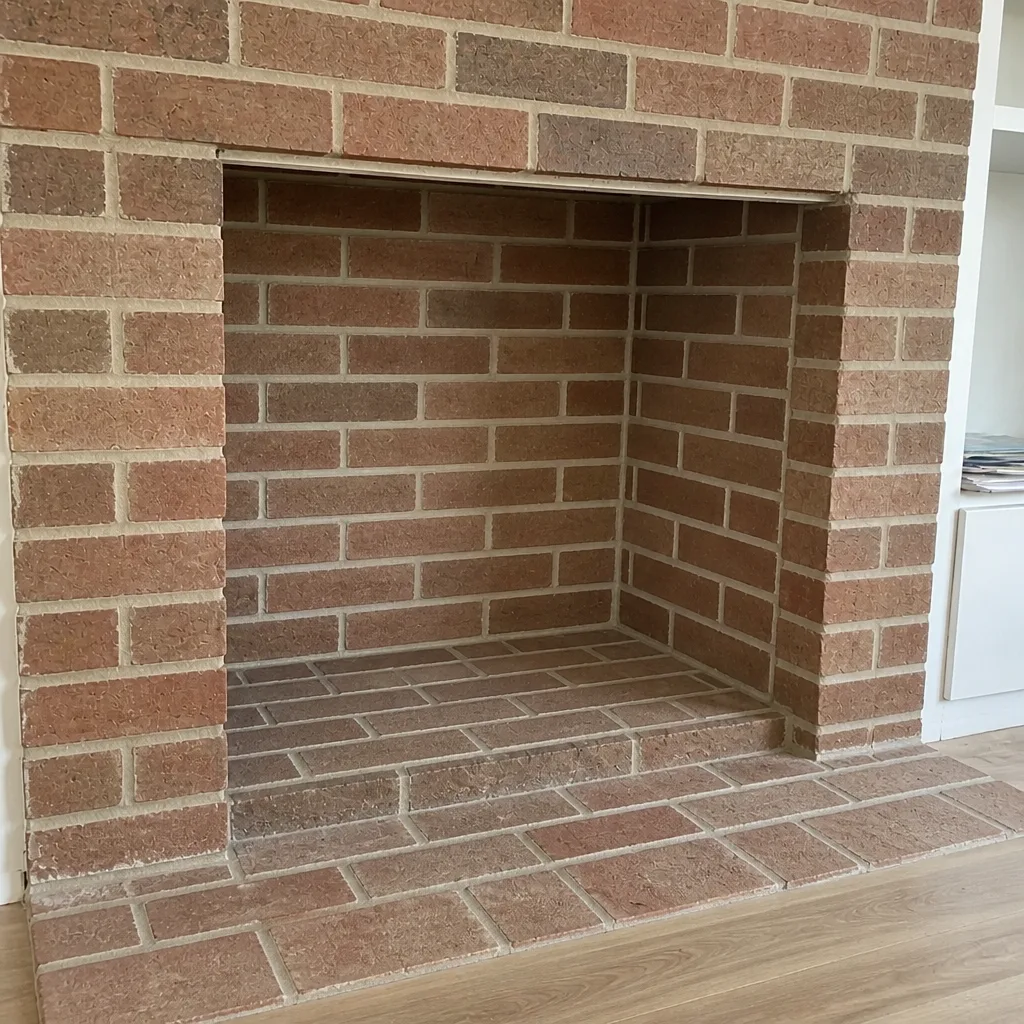
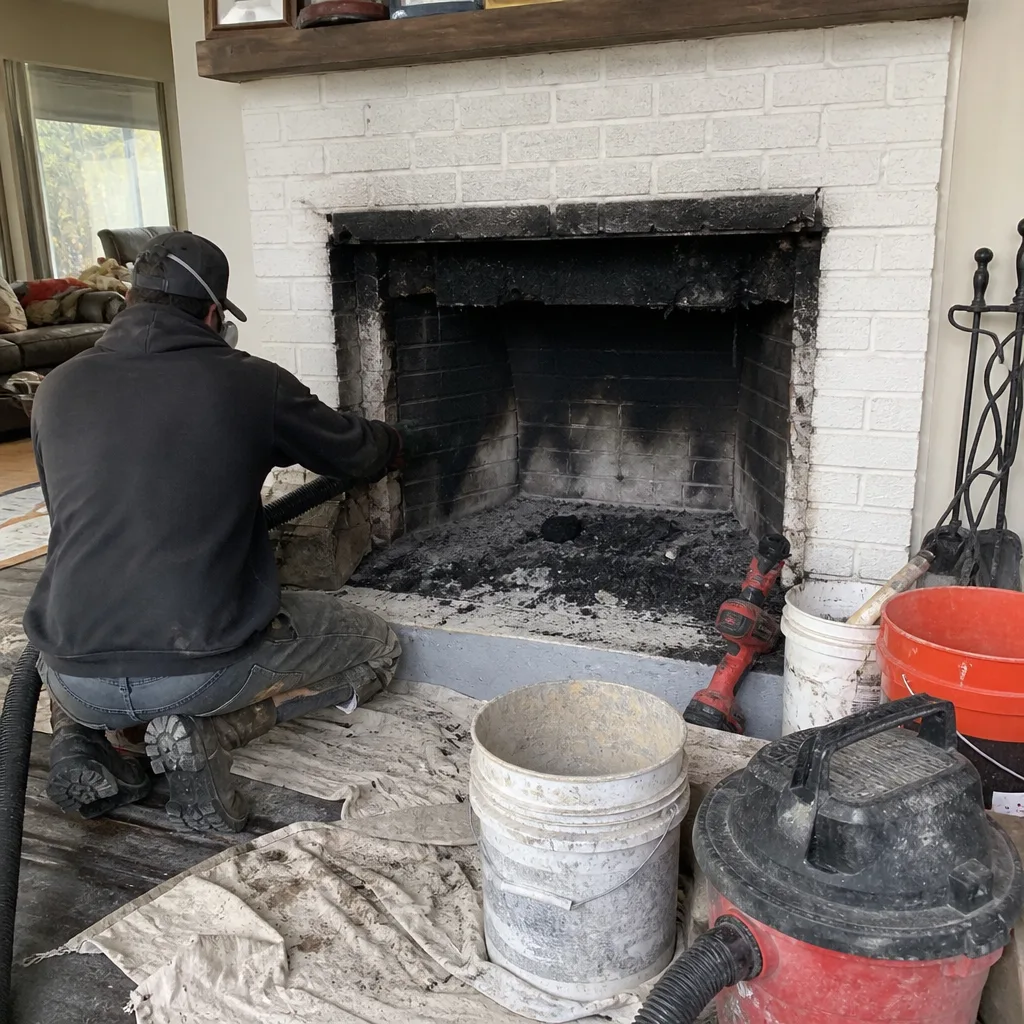
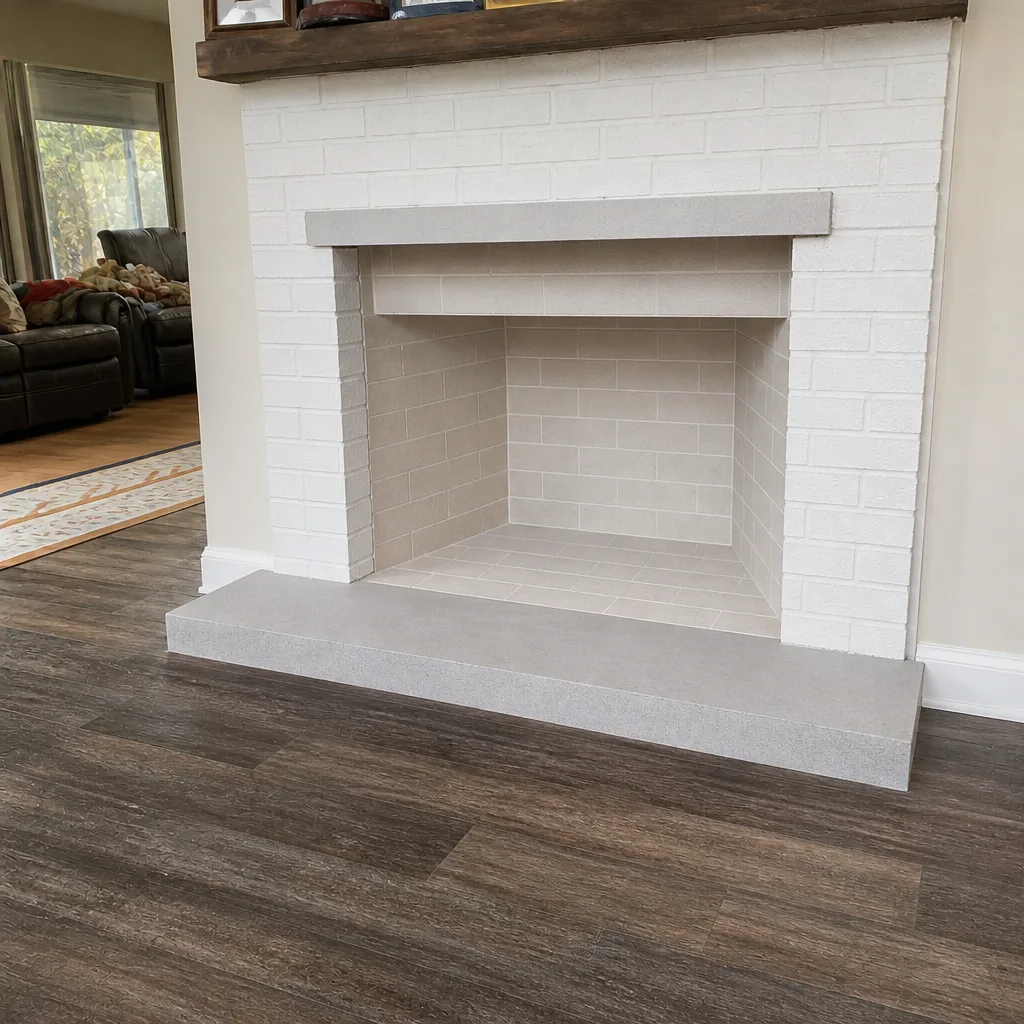
See the difference
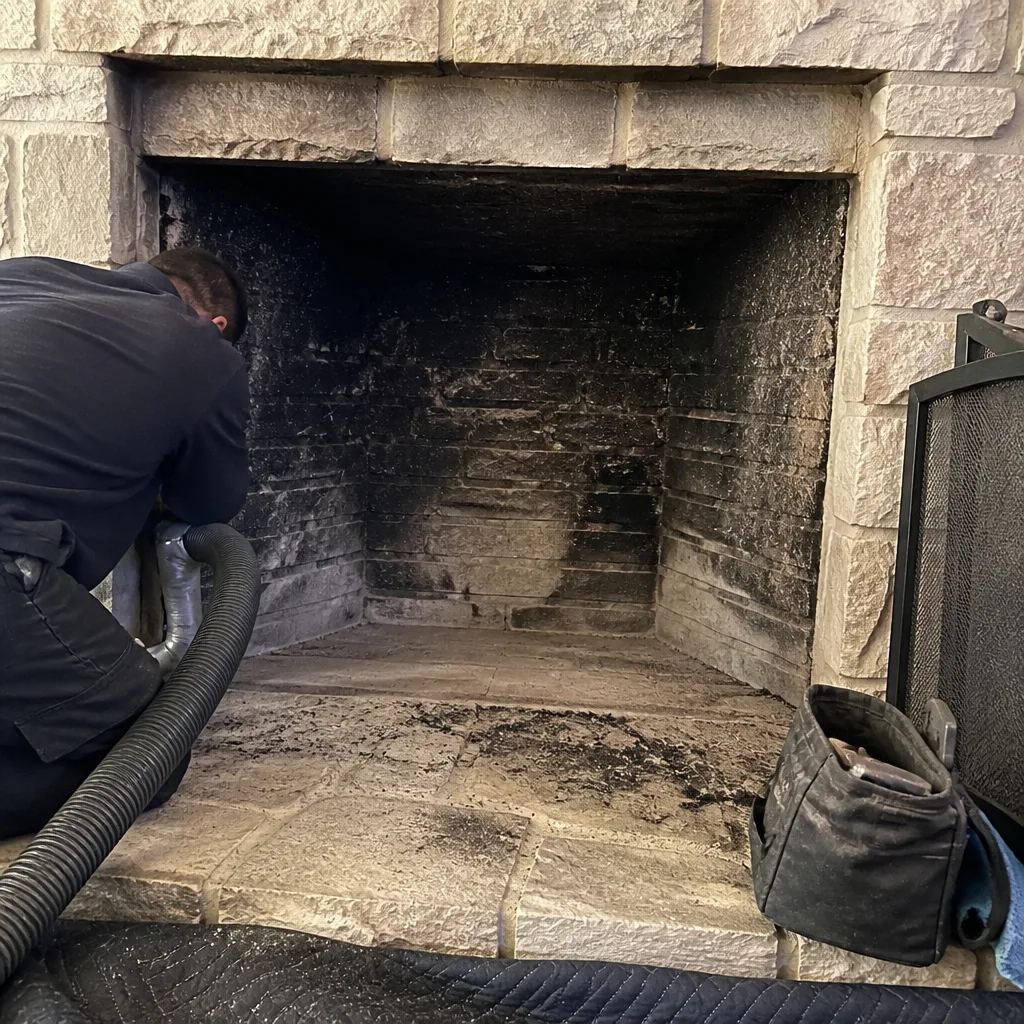 Before
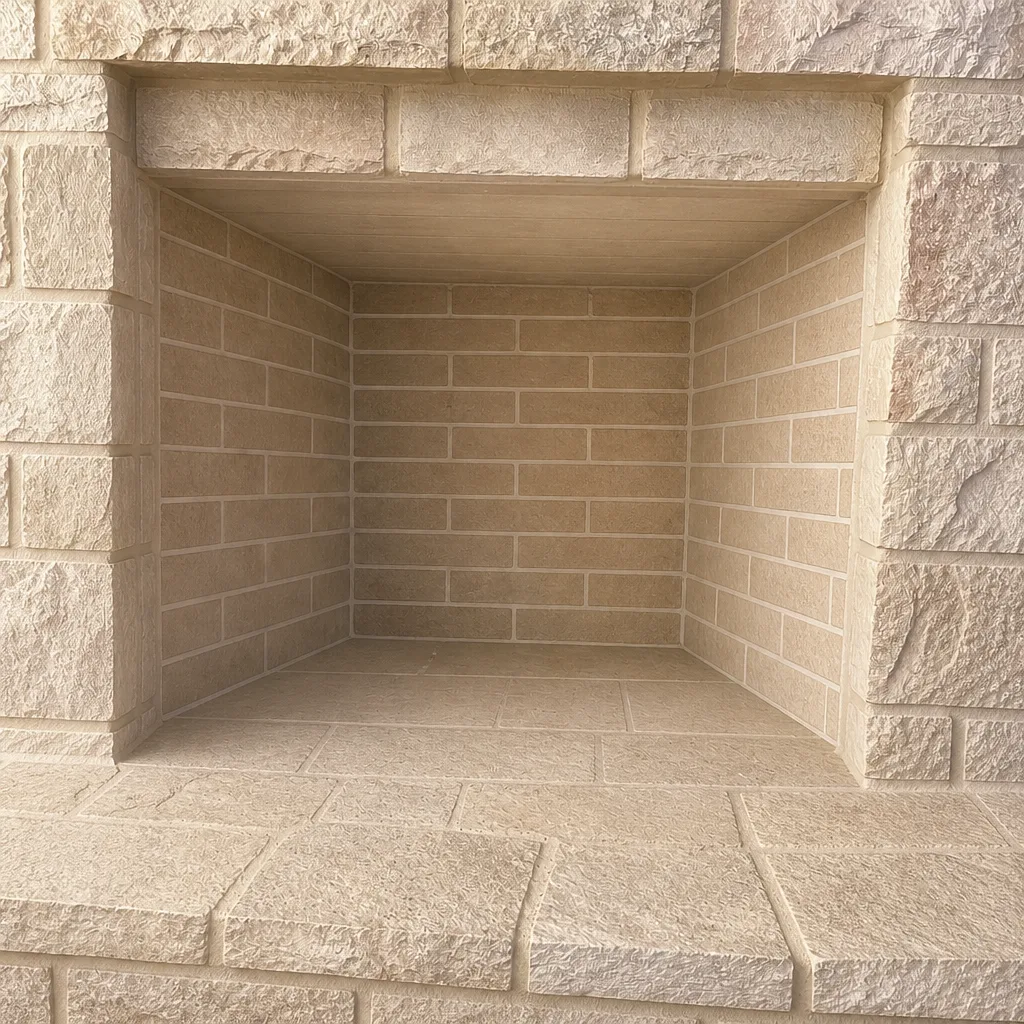 After
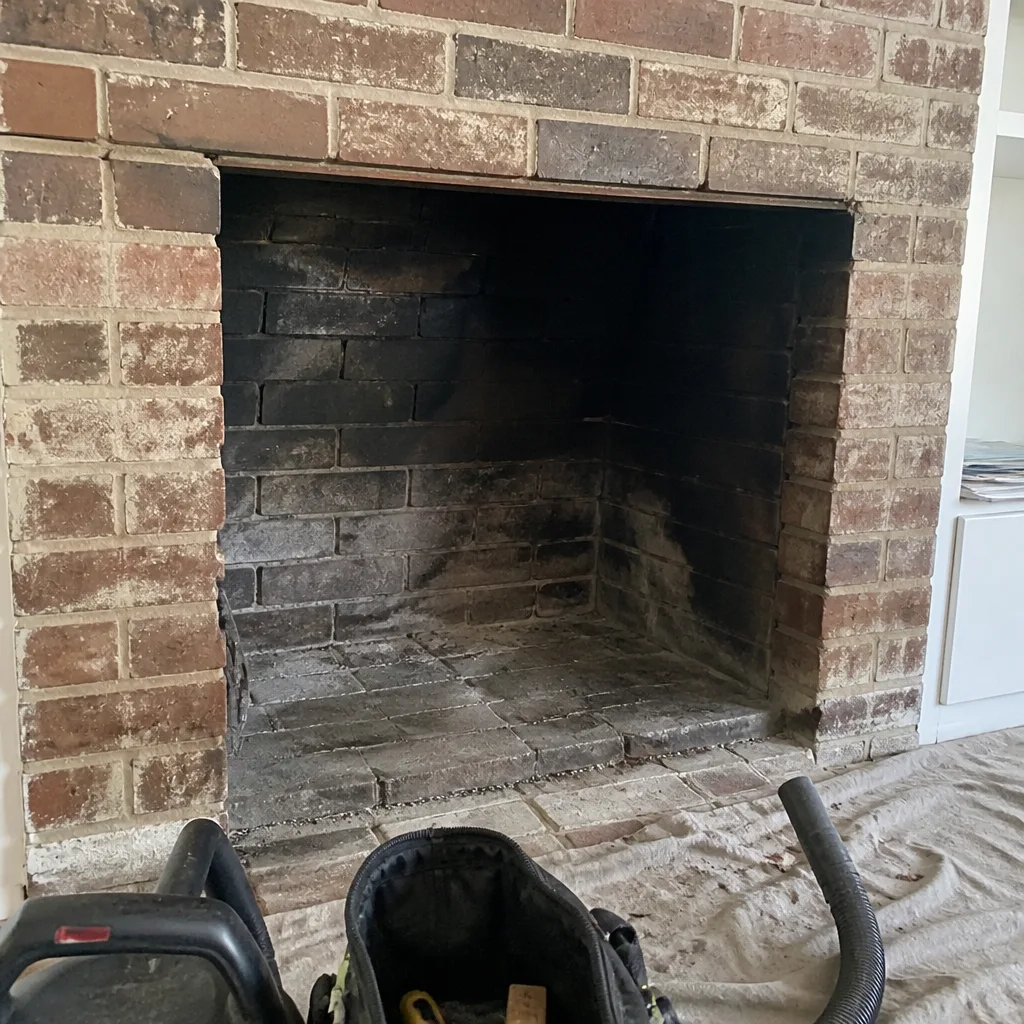 Before
 After
 Before
 After
Frequently Asked Questions
A chimney sweep in Oklahoma City typically runs in the low-hundreds of dollars for a standard wood-burning fireplace, with the price set per job by a written estimate after the technician sees the flue. If a camera inspection reveals stage 3 creosote or damaged flue tiles, a reline is priced separately and quoted after the assessment. Estimates are free. Call (866) 334-8781 for an exact quote.
Cold-morning smoke is almost always a negative air pressure problem, usually because the furnace is running and pulling air out of the house faster than the chimney can replace it. The fix is usually make-up air work rather than a cleaning. A camera inspection with a smoke test tells you which, and the estimate is free. Call (866) 334-8781 for an exact quote.
You need a liner if the flue tiles are cracked or if the creosote has reached stage 3. A cleaning is enough for stage 1 and 2 creosote on an intact flue. That said, no one can tell you which one you need without a camera view, and you should be shown that view before any work is recommended. We show the camera image and the written report on every visit. Call (866) 334-8781 for an exact quote.
Once a year is the standard for a wood-burning fireplace in regular use, and it’s the right pace before each burning season in Oklahoma City. If you burn green wood or burn heavily, or if you see black smoke, get a sweep sooner. Call (866) 334-8781 for an exact quote.
Creosote builds up faster than you’d expect, especially with wet wood or a cool-burning fire, and stage 3 creosote is what fuels a chimney fire. Moisture can also get into a flue without a cap and start working on the masonry. Neither of these is an emergency every single year, but they’re both the kind of thing that gets more expensive the longer you wait. Call (866) 334-8781 for an exact quote.
Oklahoma City’s clay-heavy soil swells and shrinks with the seasons, and the firebox absorbs that movement before the exterior does. Hairline firebox cracks are often the first sign, not the last. A camera inspection shows how far the cracking has gone, and HeatShield resurfacing is often the right fix when the damage is in the mortar rather than the brick. Call (866) 334-8781 for an exact quote.
The Bottom Line
Most chimney problems are diagnosable if you know what pattern to look for. Smoke that appears only under specific conditions usually points to pressure or flue sizing, not cleaning. A spring storm smell usually points to the cap or flashing, not a masonry rebuild. Hairline firebox cracks on Oklahoma City’s clay soil often mean movement, and they need a real assessment before burning season. Stage 3 creosote is the point where the plan changes from sweep to treatment or reline. You don’t need to solve it yourself; you just need to describe the symptom. Call (866) 334-8781 and we’ll sort out the rest. We answer 24/7. Fast dispatch from 7am to 7pm, Sunday through Friday. Our technicians have up to 8 years of experience, and Linden Chimney Cleaning inspects it, cleans it, and fixes it, all under one company. If you’re in the Oklahoma City area, the estimate is free.
Written by the team at Linden Chimney Cleaning.