
Last updated November 16, 2026
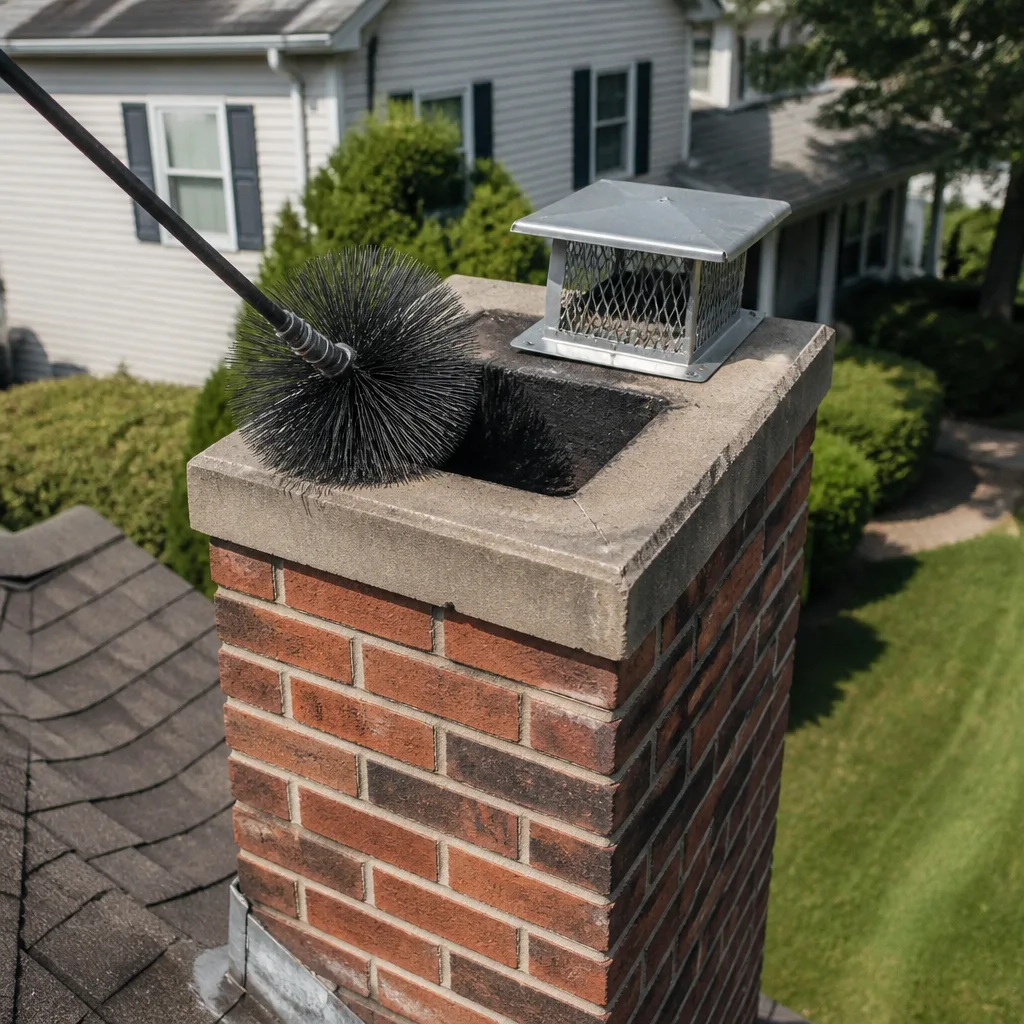 Sweep & inspection
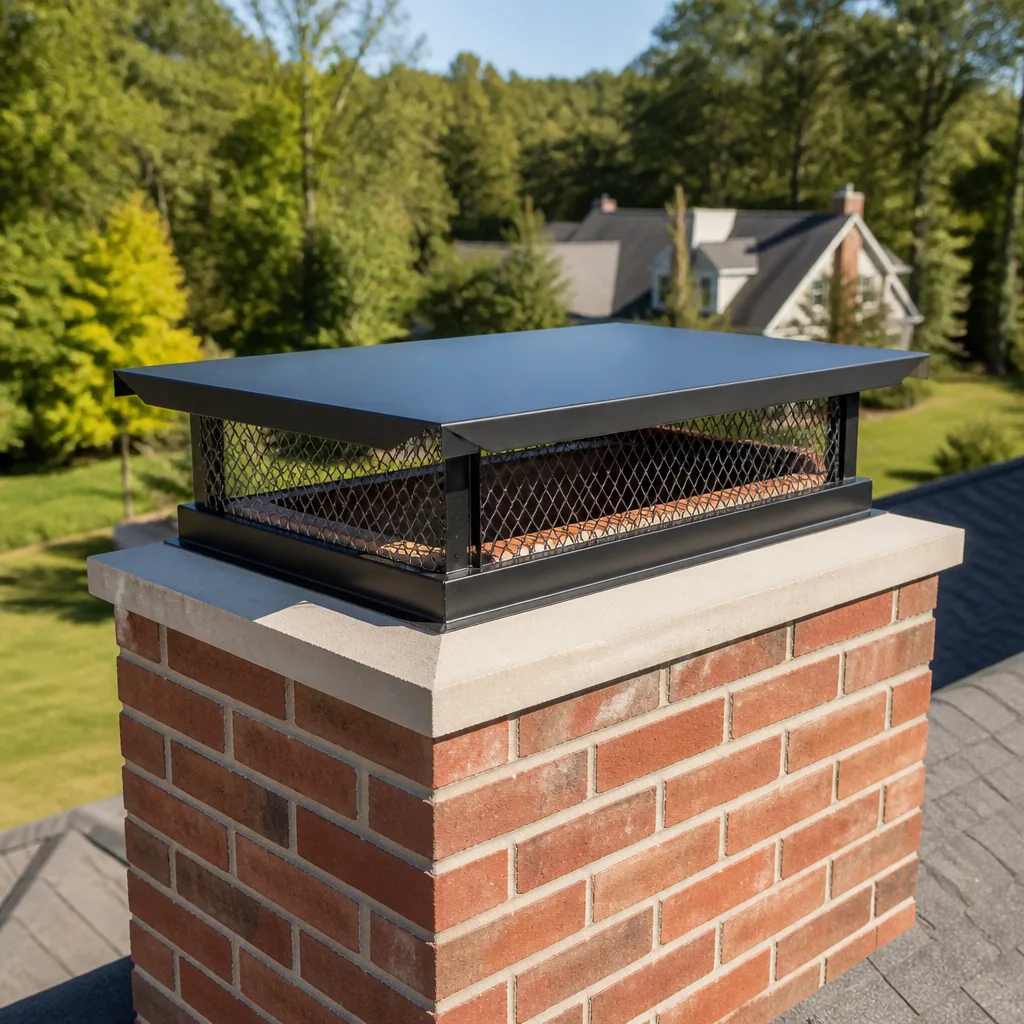 Caps & crowns
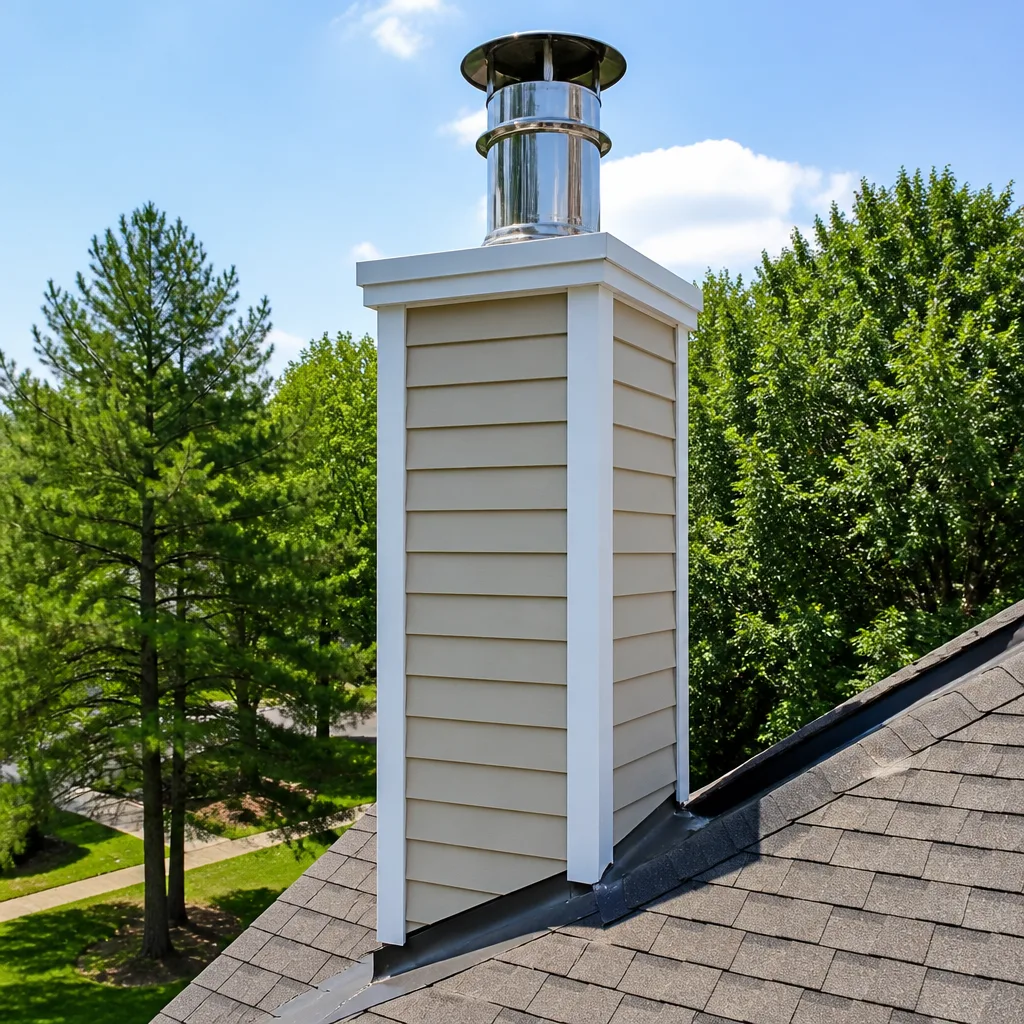 Flue relining
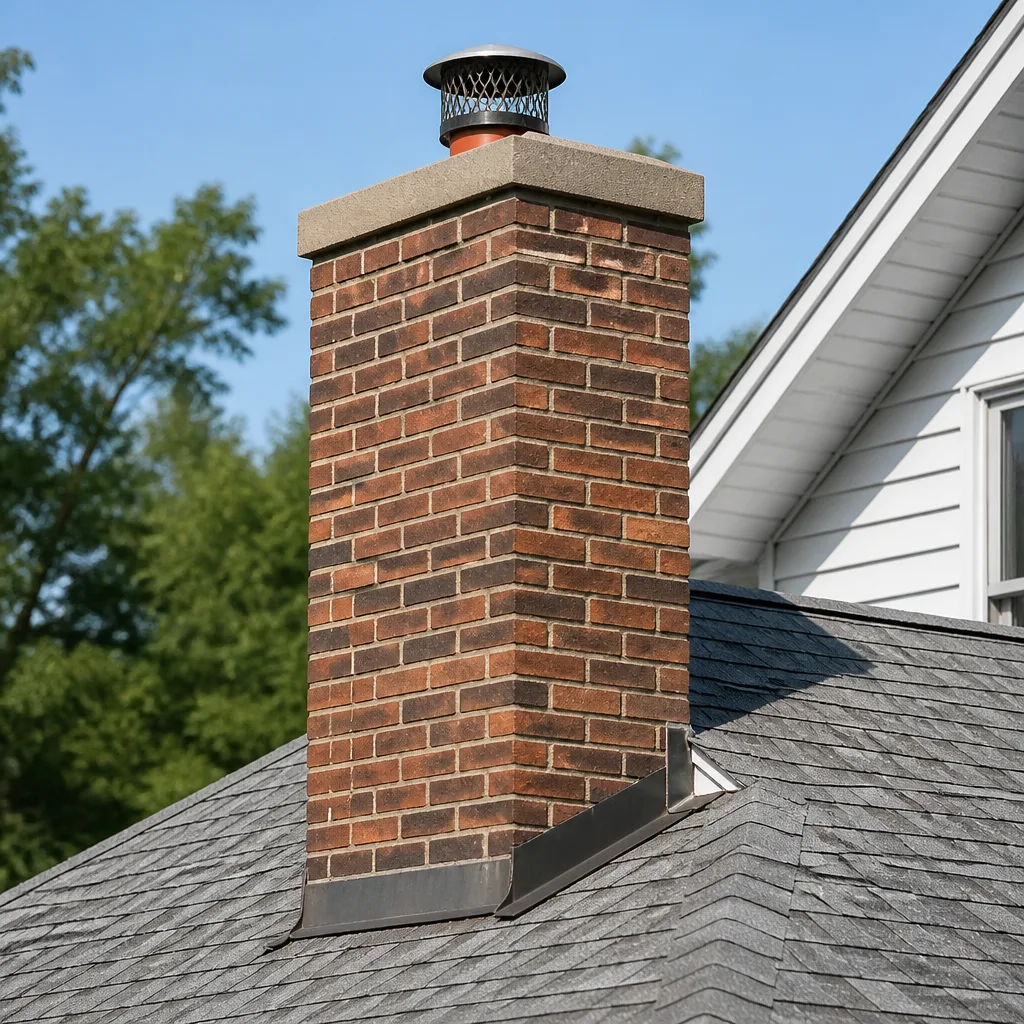 Masonry repair
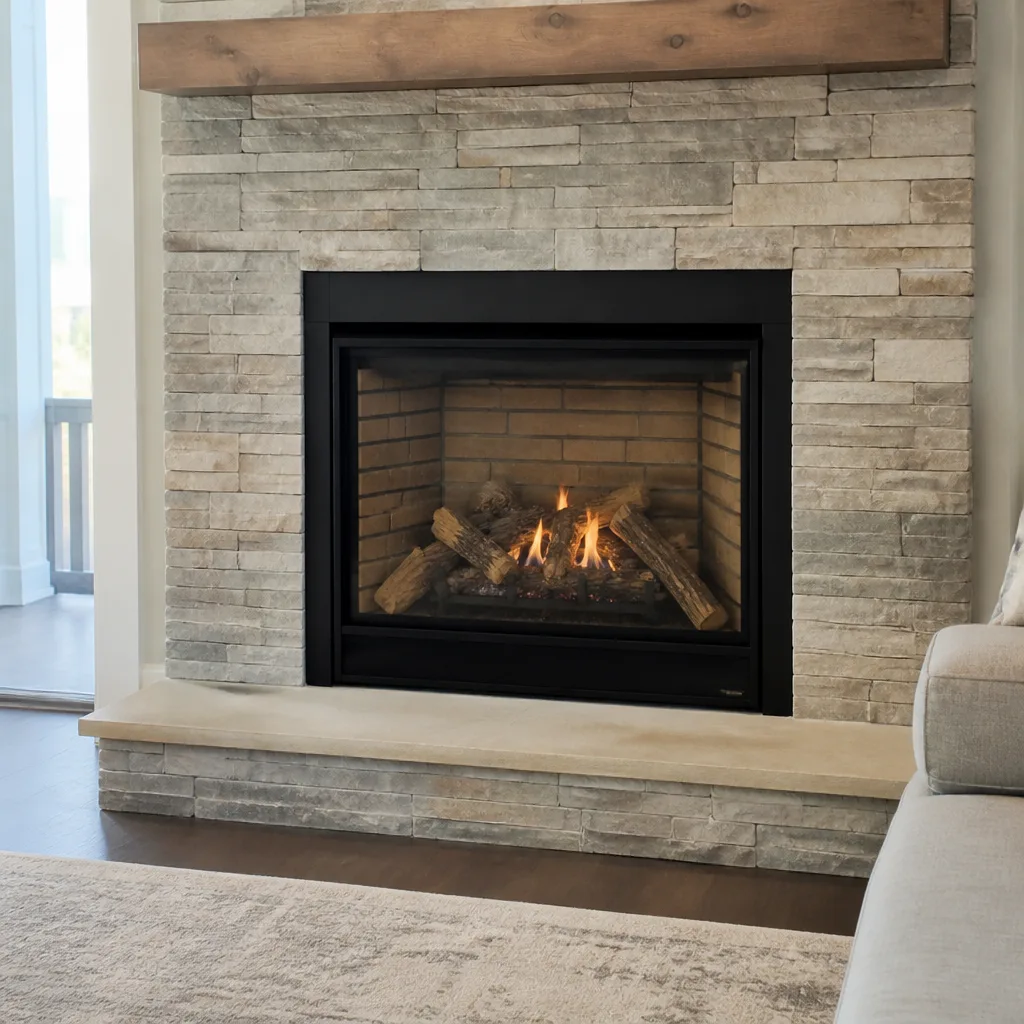 Gas fireplace service
Level 1 sweep and inspection to the NFPA 211 annual standard - flue, crown, cap, and flashing checked and photographed
Chimney sweep logs do not sweep chimneys. They loosen some creosote - which then falls where a brush and vacuum still have to collect it.
Seasonal Chimney Cleaning Care for Oklahoma City: Year-Round Homeowner’s Guide
Most chimney care advice you’ll find online was written for New England or the Pacific Northwest. It assumes one cold season, one cleaning, one inspection, and a long quiet stretch in between. Oklahoma City doesn’t work that way. Here, the chimney faces ice storms in one month, 100°F heat the next, and hail-bearing supercells somewhere in between. The combination of extreme summer heat, freeze-thaw winters, and violent spring weather produces four distinct seasonal stress periods, and each one asks something different of your chimney. This guide maps the right action to the right season so you’re checking the right things at the right time of year in Oklahoma City.
Quick Answer
In Oklahoma City, a chimney should be swept and inspected once a year, ideally in late summer or early fall before heating season starts, plus a visual check after any major ice storm or hail event. Summer heat cracks crowns and sealants, winter freeze-thaw widens those cracks, spring hail pits masonry, and fall is your window to correct all of it before the first fire. Book the pre-season inspection before September to avoid the backlog.
Styles & brands we work with
- Sweep & inspection
- Caps & crowns
- Flue relining
- Masonry repair
- Gas fireplace service
Table of Contents
- Why Oklahoma City Chimneys Face a Different Seasonal Rhythm
- What Summer Heat Does to Your Chimney in Oklahoma City
- The September Inspection Window: What to Check Before Heating Season
- Post-Ice-Storm Protocol: Inspecting Before the Next Fire
- Spring Severe Weather and Hail Damage to Chimney Crowns
- Why Fall Scheduling Backs Up and How to Avoid It
- Winter Operational Monitoring: Reading Smoke, Draft, and Odor
- Your Year-Round Oklahoma City Chimney Calendar
Why Oklahoma City Chimneys Face a Different Seasonal Rhythm
Chimneys live outdoors, which means they weather everything the climate throws at them. National guides tend to emphasize freeze-thaw damage because that’s the dominant failure mode in cold regions. Oklahoma City runs hotter than most people outside the state realize. Days above 100°F are common in July and August, and the masonry on your chimney bakes in direct sun for weeks at a stretch. That heat expands the metal in caps and flashing, dries out and shrinks sealant beads until they crack, and drives moisture out of mortar joints at a rate that leaves them brittle by fall.
Then the seasons flip. Oklahoma City gets ice storms that load crowns and caps with weight and push water into hairline cracks, followed by a hard freeze that turns that water to ice and widens every fissure. Spring arrives with hail and high wind. By the time you’re ready to burn again, four separate weather events have each left their mark.
This is why a single autumn sweep, as valuable as it is, isn’t the whole picture here. A sweep clears creosote and soot from the flue. An inspection checks whether the structure around that flue is still sound. In Oklahoma City’s climate, those two jobs matter in different seasons for different reasons. Understanding the calendar lets you catch small damage while it’s still a repair rather than a rebuild.
We’ve seen how quickly a cracked crown goes from cosmetic to structural when a wet winter follows a hot summer. Our technicians have up to 8 years of experience working on chimneys in this exact climate, and the pattern repeats: heat first, then water, then failure. If you know the sequence, you can interrupt it.
What Summer Heat Does to Your Chimney in Oklahoma City
Extreme heat is the most overlooked chimney hazard in Oklahoma City, and it deserves its own section because most chimney guides skip it entirely. Here’s what happens during a stretch of 100°F days and what you can check without getting on the roof yourself.
Sealant and caulk failure
The flexible sealant around your chimney cap, flashing, and crown joints is designed to expand and contract with temperature swings. Under sustained heat it loses elasticity faster than it would in a milder climate. When it dries out and cracks, it stops keeping water out. You’ll usually see this before you’d see structural damage: receded, curling, or powdery-looking bead lines around the cap and where the chimney meets the roof.
Mortar joint deterioration
Mortar is porous and holds moisture. Summer heat drives that moisture out quickly, and the cycle of wetting and rapid drying weakens the bond between mortar and brick over time. Joints that look fine in spring can be crumbling by August. Look for sandy grit collecting on the roof below the chimney or at the base of the stack. That grit is often mortar that’s given up.
Crown cracking
The concrete crown at the top of your chimney is a horizontal slab in the sun. It absorbs heat, expands, and cools at night. That repeated expansion can open hairline cracks, and those cracks are exactly where fall and winter water will get in. A crack you can see in September is a small repair. The same crack after a wet winter and a hard freeze can be a crown rebuild.
What to check in late summer
- From the ground, look up with binoculars at the crown and cap. Note any visible cracks, missing chunks, or rust.
- Look at the brick joints for crumbling or gaps, especially on the sun-facing side of the chimney.
- Check inside the firebox and smoke chamber for cracked mortar or loose bricks before you use the fireplace again.
- Look for gritty sand or debris at the base of the chimney and on the roof around it.
- Test that the damper fully opens and closes; summer heat can jam a rusted damper.
- Note any white powdery stains on the outside of the chimney, which signal moisture moving through masonry.
If you see cracked sealant, crumbling mortar, or a visibly cracked crown, that’s your signal to book an inspection before fall. Getting it handled in late summer means the repair cures and seals before the rain and freezing weather return to Oklahoma City.
The September Inspection Window: What to Check Before Heating Season
September is the single most valuable month on the Oklahoma City chimney calendar. Summer damage has already happened, so you can see it. Winter has not yet arrived, so there’s time to fix it. Get your inspection done in this window and you’re entering heating season with a chimney you can trust.
A professional inspection here looks at the whole system, not just the flue. We check the firebox and smoke chamber for cracked refractory and gaps. We look at the damper for proper operation. We run a camera up the flue to see the condition of the liner from the inside, where you can’t see it yourself. We check the crown, cap, flashing, and masonry on the exterior. And we look at the clearances to nearby combustibles, which can be compromised by settling or previous construction.
Why this inspection matters more here than in milder climates
- Your flue has spent weeks at high summer temperatures, then the first fire will subject it to a sharp heat differential. A liner with weak spots is more likely to fail under that swing.
- Moisture that entered through summer cracks has had time to sit in the masonry. An inspection catches it while the masonry is dry enough to be resurfaced or sealed.
- Creosote residue from last season has had months to harden into a slicker, denser deposit. Glazed creosote is harder to sweep and more flammable.
- Local masonry and the burning practices common in this region both contribute to how quickly deposits form. The inspection tells you what your actual system is doing.
The final step of the pre-season inspection is the sweep itself. Cleaning the flue after inspection means we remove the deposits we just identified, and we can document that the flue is clear before you burn. If you’d like to schedule this before the calendar fills, reach out through our chimney sweep page and we’ll book you into the September window while it’s still open.
One honest note: the pre-season inspection isn’t just about cleaning. If we find that the liner has deteriorated or the crown is compromised, we’ll show you the camera evidence and explain what needs fixing. We don’t recommend work you can’t verify. If something can safely wait until spring, we’ll tell you that, too.
Post-Ice-Storm Protocol: Inspecting Before the Next Fire
Ice storms are the signature Oklahoma City chimney event, and most homeowners get the response wrong. The reaction is usually to wait until damage is visible, then inspect. The better approach is to inspect after the ice, before you use the fireplace again, even if nothing looks wrong. Ice puts loads on chimneys in ways you can’t see from the ground.
Here’s what ice does to a chimney. It adds weight across the top of the cap and crown, which can crack the crown or loosen the cap’s fasteners. It pools in cracks and expands as it refreezes, widening those cracks. It can push water into the flue itself if the cap is compromised, and it stresses the flashing seal where the chimney meets the roof. None of these show up as an obvious problem while you’re standing in the yard.
What post-ice inspection checks
- Cap and crown: any new cracks, displaced pieces, or ice damage to fasteners and seals.
- Flashing: whether the seal at the roof line is intact and whether water entered the roof deck.
- Masonry: whether freeze-thaw cycles opened new joints or loosened brick faces.
- Flue interior: whether any debris, ice, or water made it into the flue.
- Firebox and damper: whether they still operate correctly after a cold, wet period.
The reason this has to happen before the next fire is simple. A damaged flue or cracked crown allows creosote-laden smoke and moisture into places it shouldn’t go, and it can allow carbon monoxide to escape into the home instead of up the chimney. A trained inspection after an ice storm is how you confirm the system is safe to use. It’s also cheaper and easier to repair cracking in the weeks after an ice event than to deal with masonry damage in the spring.
If your area was hit hard and you can see obvious damage, don’t fire the chimney until it’s been checked. Call us and we’ll get someone out. We answer 24/7. A call outside dispatch hours is booked into the next opening, Sunday through Friday, 7am to 7pm.
Spring Severe Weather and Hail Damage to Chimney Crowns
Oklahoma City’s spring severe weather season brings hail more often than most homeowners expect, and hail is tough on chimney crowns, caps, and brick faces. Hail doesn’t have to be golf-ball sized to do real damage. Even smaller stones driven by high wind pit masonry, knock chips off the crown, dent metal caps, and open the seal around the top of the flue.
A dented metal cap can look like a cosmetic concern while doing real damage: it can block exhaust flow, trap moisture, or separate from the chimney body and let water in. Pitted brick holds moisture differently than a smooth brick face, which accelerates freeze-thaw damage the following winter. And a hail-damaged crown often has cracks you can’t see from ground level.
What to look for after a hail event
- New dents, dings, or rust spots on the chimney cap.
- Fresh chips, pits, or missing corners on the brick and mortar at the top of the stack.
- Chips or cracks in the concrete crown.
- Debris on the roof deck or in the gutters that came from the chimney.
- Loose or displaced flashing where the chimney meets the roof.
Compare what you see now to what you noticed in the fall. New damage after a hail storm is worth an inspection even if it looks minor. A professional can tell you whether the cap just needs repair, whether the crown needs resurfacing with a HeatShield product instead of a rebuild, or whether damage is cosmetic and can wait. That last option is real. Not every ding needs a repair. We tell you honestly when work can safely wait.
Spring is also when we get the best weather for repair work. The temperature is moderate and the roof is less dangerous to work on than it is in summer heat or winter ice. If a hail event leaves damage, handling it in spring means the repair cures fully before the next freeze, and you’re not trying to schedule structural work during the September crunch. We work with the whole system here: liner, cap, flashing, firebox, and crown. That’s the point of a chimney-only specialist.
Why Fall Scheduling Backs Up and How to Avoid It
Every year, the same pattern plays out across Oklahoma City. The first cool week of October arrives, homeowners light the fireplace for the first time, and the calls start. Some of those calls are routine. Some are not, and it’s those not-routine calls that burn through the inspection calendar fastest, because an emergency can’t wait and a routine sweep can. The result is that the homeowner who planned ahead in August gets checked in September, while the homeowner who waited calls in November and finds the schedule is full.
The practical fix is straightforward: book your pre-season inspection early. Aim for late summer, ideally by the end of July, and get on the calendar for the September window. On our end, a pre-season sweep and inspection in September is faster, less expensive, and far safer than a mid-winter call about smoke blowing back into the house.
What the pre-season booking covers
- Full inspection of firebox, smoke chamber, damper, flue, crown, cap, and flashing.
- Camera inspection of the flue with photo documentation of what we found.
- Professional sweep that clears soot and creosote while the chimney is dry and accessible.
- A written account of the system’s condition, with clear recommendations and no pressure.
- Referral-free handling of any repair the inspection identifies, using the same materials we recommend.
Scheduling has one more benefit. If summer heat cracked a seal or opened a crown joint, we have time in September to repair it and let the repair cure before the ice storms arrive. On a mid-winter emergency, that same repair has to happen in cold, wet conditions with limited time. The pre-season window is the better version of the same job.
If you’re ready to get on the calendar, call (866) 334-8781. We answer 24/7. Fast dispatch from 7am to 7pm, Sunday through Friday.
Winter Operational Monitoring: Reading Smoke, Draft, and Odor
Once heating season starts, a chimney’s condition announces itself through what you see, smell, and feel. Active monitoring means paying attention to those signals and knowing which ones are routine and which ones mean stop using the fireplace. Here are the signals that matter and what they usually mean.
Smoke behavior
- Smoke that rolls out of the firebox into the room when you open the doors points to a draft problem, an obstruction, or a flue that’s too cold to pull. A professional can identify which; don’t try to diagnose it by burning more.
- Smoke that lingers heavily at the top of the chimney or seems to hang low outside often means the flue is dirty or the cap has been damaged. That’s worth a mid-season check.
- Back-puffing or pulses of smoke coming into the room, especially on cold or windy days, needs inspection before the next fire.
Draft quality
A properly functioning chimney pulls a steady draft. If your first fires of the season burn sluggishly, draft slowly, and take a long time to establish, that’s a sign the flue is blocked, narrow, or cold. A quick check of the flue confirms whether it’s an operational issue or a real obstruction. Note that a furnace or other appliance sharing the chimney system can also affect draft.
Odor changes
- A harsh, sharp, creosote smell, especially on warm days when the chimney isn’t in use, often means the flue has deposits that expand in heat. A sweep corrects it.
- A musty or damp smell points to moisture getting into the masonry or the flue through a compromised cap, crown, or flashing.
- An unfamiliar, sweet, or chemical smell is worth investigating before you burn again, especially if it comes from the firebox or the base of the chimney.
The right move during heating season is to note what changed, when it started, and how the fire is burning. Then book an inspection if the pattern is new or worsening. Don’t assume you can fix a draft issue by burning hotter. That’s how a bad liner becomes a dangerous one. The whole point of monitoring is to catch those signals while the fix is small.
Your Year-Round Oklahoma City Chimney Calendar
Here’s the calendar in one place. Pin it where you’ll see it. Each season has one clear action.
- Late summer (July to August): Book your pre-season inspection for September, inspect the crown, cap, sealant, and masonry from the ground with binoculars, and note anything that looks new since last fall.
- September to early October: Get the full inspection and sweep done. Repair any summer damage to sealant, mortar, or crown now, while the weather allows the repair to cure before winter. This is the busiest and most valuable window of the year.
- First cold snap (October to November): First fire of the season. Watch the draft, note any smoke behavior, and listen for unusual sounds from the flue. Anything strange is worth a call before the next fire.
- Winter ice storms: After a major ice event, inspect before the next fire. Check cap, crown, flashing, flue, and firebox. If in doubt, call for an inspection.
- Winter active heating (ongoing): Monitor smoke, draft, and odor changes. Note anything new and book a check when the pattern changes. Stop using the fireplace if the flue or damper stops functioning properly.
- Spring (March to May): After hail season, check the crown, cap, and brick faces for damage. Handle small repairs in spring weather, and use the moderate temperatures to avoid doing repairs in summer heat or winter wet.
This calendar assumes a masonry chimney with a wood-burning fireplace. If you have a solid-fuel heating appliance, a wood stove insert, or a flue that also serves a furnace, adjust the frequency accordingly; some setups deserve more frequent inspection because more of the system is under load. Our technicians have up to 8 years of experience with these setups and can tell you what your specific appliance needs. When you’re ready to book, our Oklahoma City service area covers all of these calls, and we’ll work through the whole system rather than a single piece of it.
Common Mistakes to Avoid
- Treating the annual sweep as the whole job. A sweep clears the flue; it doesn’t tell you whether the crown has a new crack or the liner has a weak spot. In Oklahoma City’s climate, the structural check is the part that prevents the expensive repair, and it belongs in the same visit.
- Waiting for visible damage after an ice storm. Much of the damage ice causes happens to the cap, crown, and flashing in ways you can’t see from the ground. Inspect regardless of what the yard looks like.
- Assuming summer heat can’t hurt a chimney. It can, and it’s the seasonal failure mode most Oklahoma City homeowners don’t know about. Cracked sealant and shrinking mortar are summer damage that only shows up after winter.
- Skipping the post-hail check. A dented cap or pitted crown is easy to ignore in spring. The freeze-thaw cycle the following winter is what makes that damage structural.
- Waiting until the first cold week to schedule. That’s when the calendar fills and emergencies jump ahead of routine work. The pre-season window is quieter and more available.
- Burning through a draft problem instead of checking it. If the draft is sluggish or smoke rolls into the room, adding fuel is how a suspected problem becomes a confirmed one. Stop and inspect.
- Assuming a single check in any season covers the year. Oklahoma City’s four stress periods each leave a different mark, and each needs a different check. One season’s inspection misses the next season’s damage.
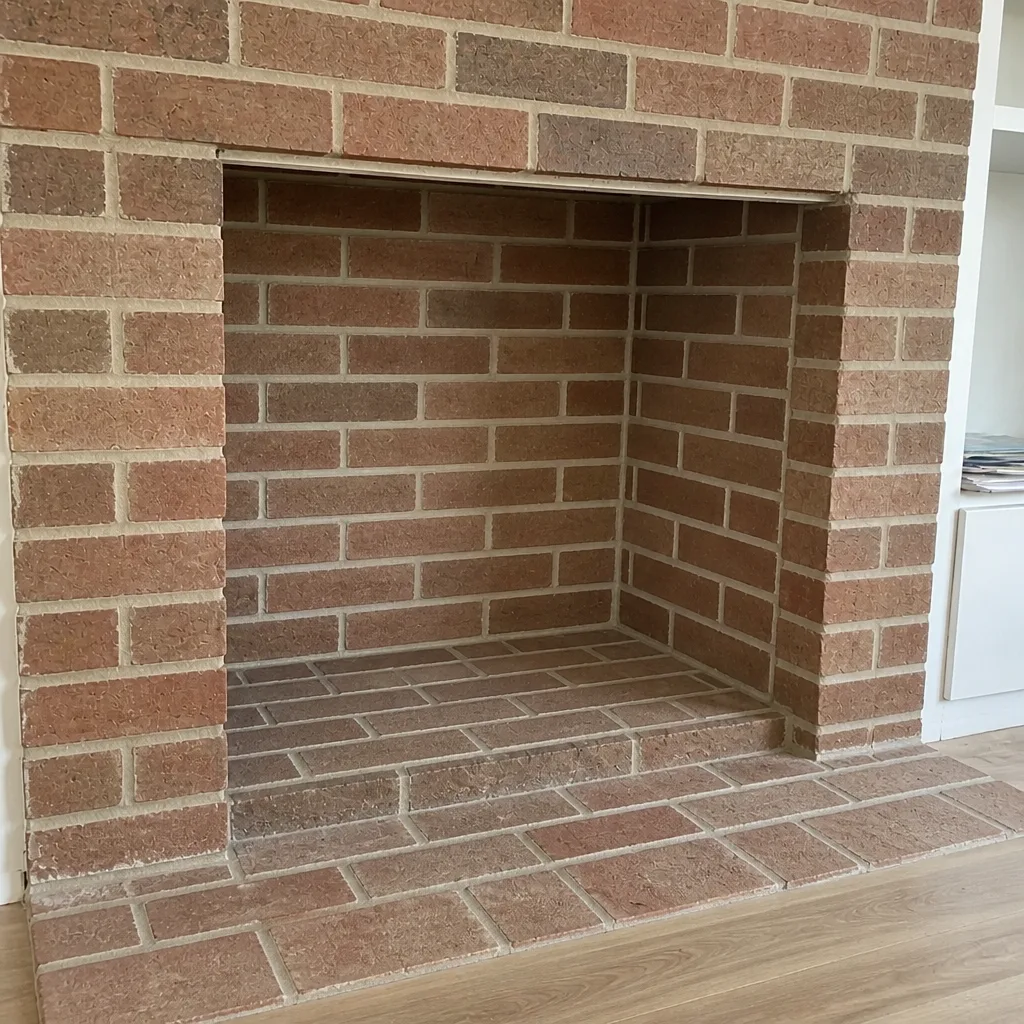
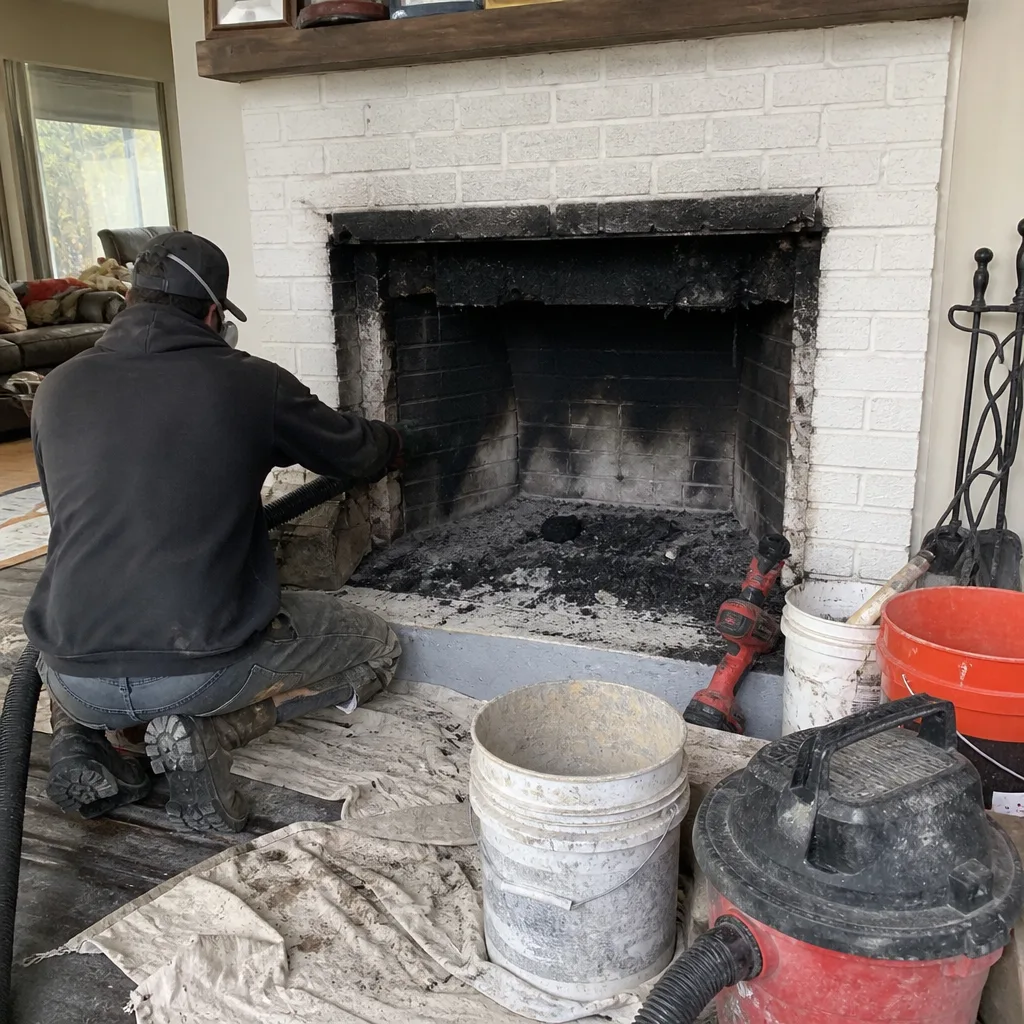
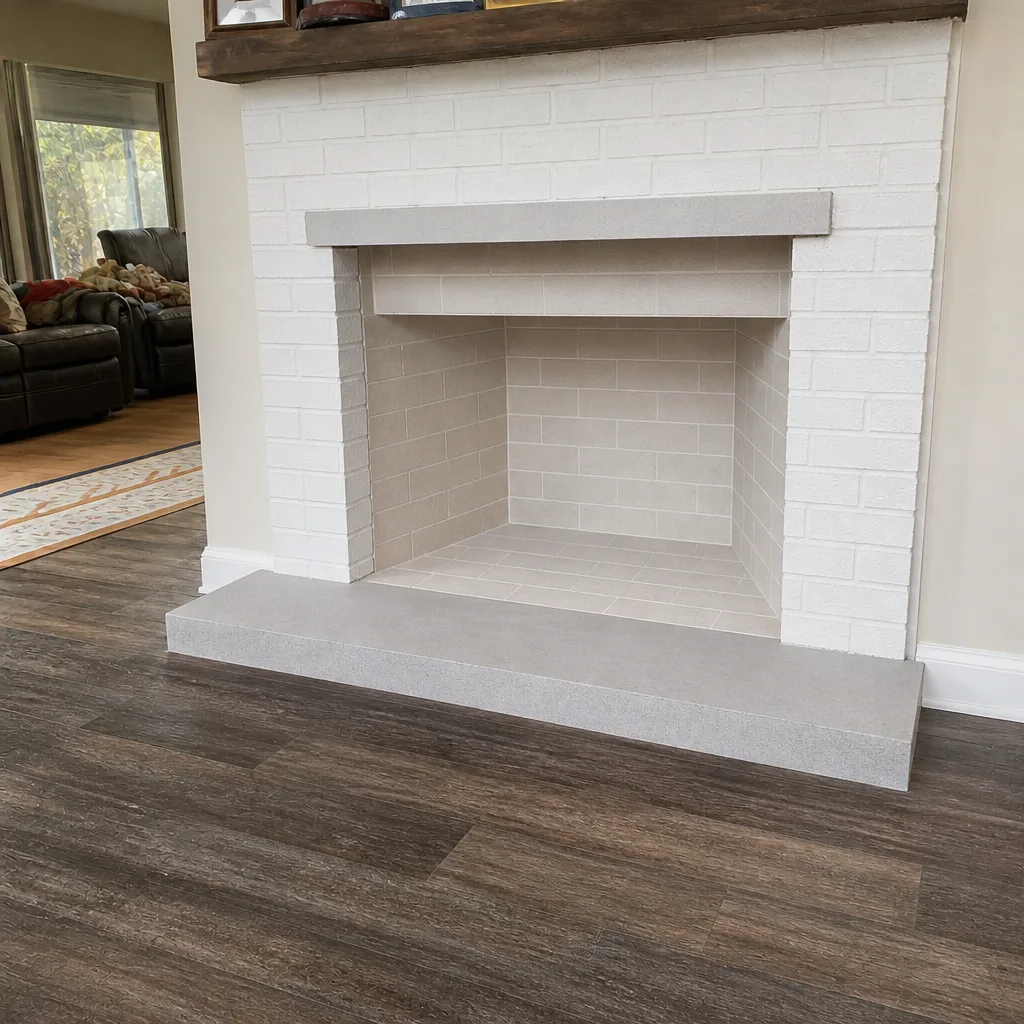
See the difference
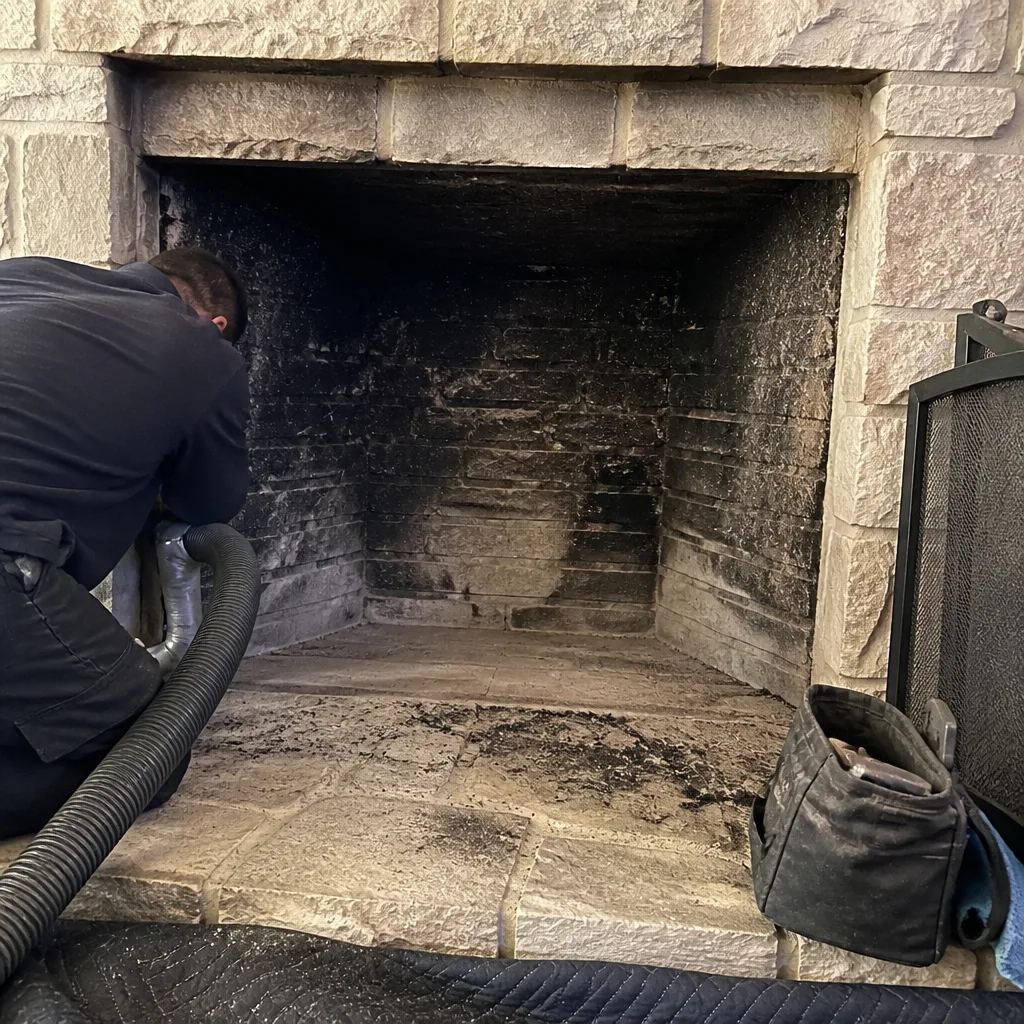 Before
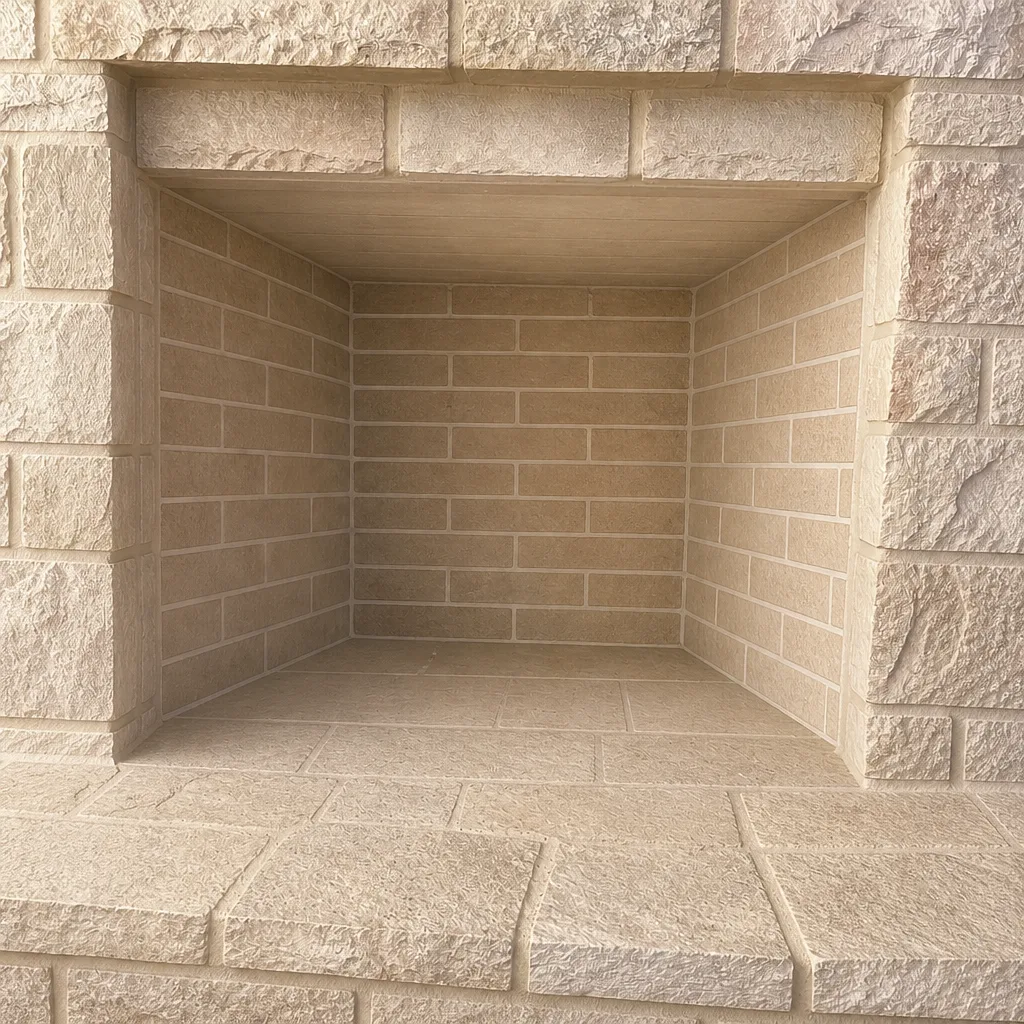 After
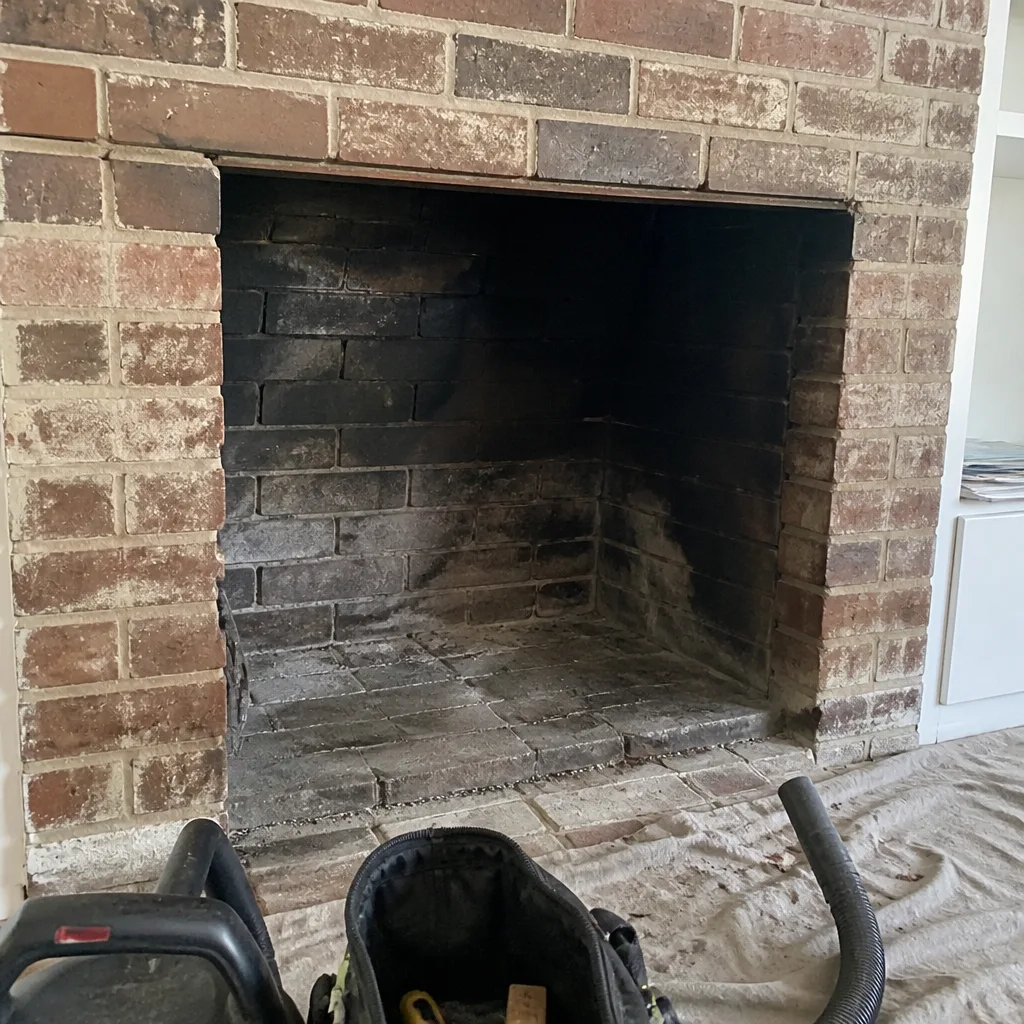 Before
 After
 Before
 After
When to Call a Professional
Some chimney work is a job for a trained technician, no exceptions. Call us if you smell gas near the fireplace or chimney; if smoke or carbon monoxide is entering the room; if a fire, flue, or crown looks damaged after an ice storm or hail; or if the damper won’t open, close, or seal. Call if you notice a new crack in the crown, crumbling mortar, or a cap that’s loose, dented, or rusted. Call if the draft is weak, if smoke rolls into the room, or if there’s an odor that’s new or worsening. Call if it’s been more than a year since the last sweep and inspection. And call if you’re simply not sure what you’re looking at; that’s a good reason on its own.
A trained professional handles the parts that matter most: the interior of the flue, the clearances to combustibles, and the structural integrity of the system. Those are not places for a ladder and a guess. Linden Chimney Cleaning offers free estimates in Oklahoma City. Call (866) 334-8781. We answer 24/7, with fast dispatch from 7am to 7pm, Sunday through Friday.
Frequently Asked Questions
Once a year is the baseline for most homes in Oklahoma City, done in late summer or early fall before heating season. Homes that burn heavily, use green or unseasoned wood, or rely on a wood stove or solid-fuel appliance may need more frequent checks. If you’re not sure, an annual inspection tells you what your specific system is doing.
Creosote builds up in the flue, and heavy creosote deposits are a chimney fire hazard. In Oklahoma City, skipping the sweep also means skipping the structural inspection, which is where ice damage, hail damage, and summer crown cracks get caught. Those are what turn a small repair into a rebuild. The sweep and the inspection together are what protect the system. Call (866) 334-8781 for an exact quote, and estimates are free.
Not every minor ice event, but you should after any significant ice storm or accumulation. Ice loads the cap and crown, pushes water into cracks, and stresses the flashing. Those problems are hard to see from the ground and become structural after a freeze-thaw cycle. If the next fire is coming soon, get it checked first. Call (866) 334-8781 to schedule a free estimate.
Yes. Oklahoma City summers with long stretches above 100°F dry out and crack sealant around caps and flashing, weaken mortar joints, and open hairline cracks in the crown. Those cracks are what let winter water in and cause the bigger damage. A late-summer look at the crown, sealant, and brick joints catches the problem while it’s still small.
Check the cap for dents, rust, or loosening; the crown for chips and cracks; the brick faces for pitting; and the flashing for displacement. A hail-damaged cap can block exhaust or let water in, so it’s worth an inspection even when it looks cosmetic. Call (866) 334-8781. We answer 24/7, and estimates are free.
Sweeps and inspections in Oklahoma City are priced per job by a written estimate, so the right number depends on the size and condition of your system. Our estimates are free, and the written estimate sets the final price, so you’re never surprised by what shows up on the bill. The repair side is separate: if the inspection identifies a crown, mortar, or liner issue, you’ll get a clear written recommendation with the evidence to back it up. Call (866) 334-8781 for an exact quote.
Late summer to early fall, before heating season starts. September is the ideal window because summer damage is visible and there’s time to repair it before the ice storms. Spring is the second-best window for repair work, since the weather is moderate and the roof is safer to access. Booking early keeps you out of the fall backlog.
The Bottom Line
Oklahoma City doesn’t give your chimney one seasonal cleaning window; it gives four stress periods that each demand a different check. Summer heat cracks sealant, mortar, and crowns. Fall is your window to inspect and repair before heating starts. Ice storms load the cap and crown and push water into cracks, so inspect after them before the next fire. Spring hail pits masonry and caps, and spring weather is when repairs go easiest. Pair a single annual sweep and inspection with a quick post-storm look, book the pre-season slot early, and pay attention to how your chimney burns during the season. If anything looks new, get it checked before you light the next fire.
Whether you need a chimney repair after a storm or just want the pre-season inspection on the calendar, we inspect it, clean it, and fix it, all under one company. We work with the whole system: liner, cap, flashing, crown, firebox. Our materials come from brands like DuraFlex, HeatShield, Gelco, and Olympia Chimney, the same lines professional chimney technicians use nationwide. If you’re ready for a straightforward assessment with the evidence in hand, call (866) 334-8781 for a free estimate. We answer 24/7, and we offer fast dispatch from 7am to 7pm, Sunday through Friday.
Written by the team at Linden Chimney Cleaning.